We may receive compensation when purchases happen via links in our content, without extra cost to you. This policy never compromises our objective evaluations.
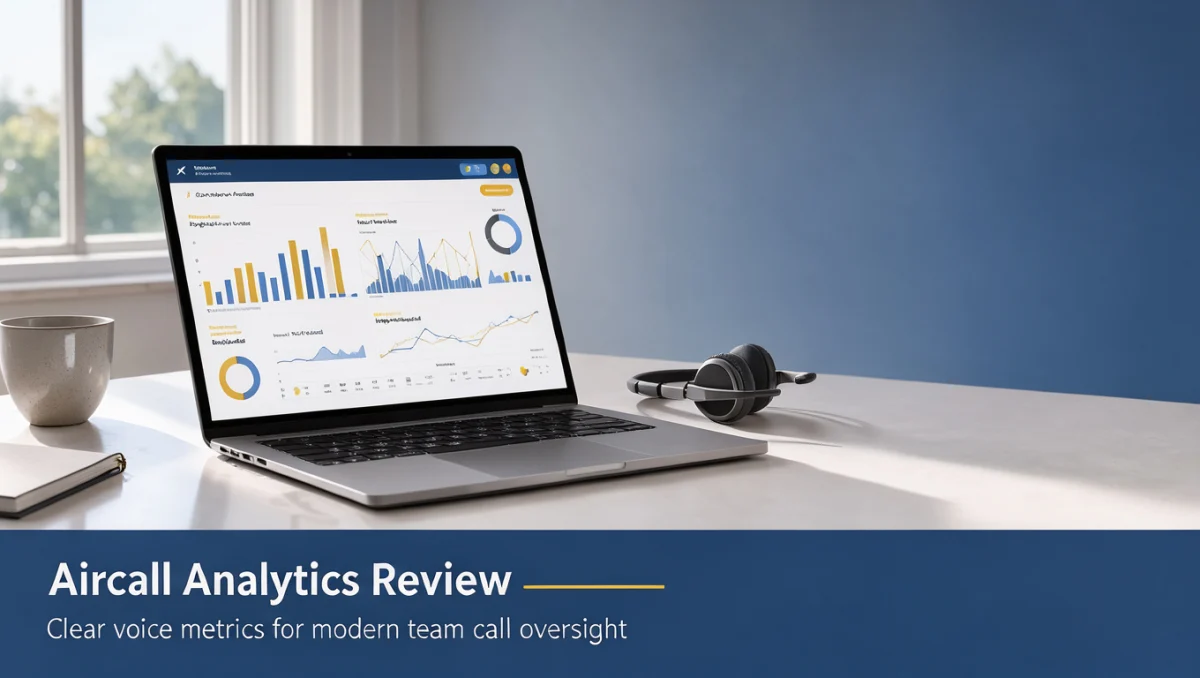
Understanding conversational flow is vital for modern phone teams. With aircall analytics, businesses gain direct insight into incoming call volume, representative engagement, and overarching communication trends. In this detailed appraisal, Tested Truth explores how this system delivers essential operational transparency while reminding readers to verify vendor plan details independently.
Assessing call tracking systems demands looking underneath surface dashboards to evaluate actual day-to-day utility. Managers require dependable oversight for missed interactions, transparent wait times, and actionable visibility into peak operational periods.
Executive Summary: Earning an overall score of 7.9/10, the platform provides accessible, structured call reporting suited for growing support desks and outreach teams. However, it may fall short for enterprises requiring custom internal data warehouses or legacy hardware configurations.
| Evaluation Metric | Key Finding |
|---|---|
| Overall Score | 7.9/10 |
| Target User | Growing sales and service groups needing clean phone tracking |
| Unfavorable Fit | Organizations requiring bespoke deep data models or legacy PBX setups |
| Primary Strengths | Clean metric layout, activity tracking, and call volume overviews |
| Pre-Purchase Step | Check the vendor pricing directory for feature tiers and log retention limits |
Our Assessment Framework
Our evaluation examines what the platform offers, who uses it, and how it measures up against alternatives across standard benchmarks: features, operational simplicity, pricing balance, integrations, target audience, support standards, and market position. Because subscription details update often, we encourage checking official resources before buying. This review incorporates AI-supported research alongside thorough editorial validation.
Understanding Aircall and Target Users
Designed as a cloud-based communication hub, Aircall equips organizations to administer voice calls and oversee customer conversations. It primarily accommodates customer care units, proactive outbound representatives, and client managers seeking reliable communication tools.
Businesses depend on voice channels to handle immediate customer problems and guide sales conversations. By capturing interaction durations, inbound call counts, and user logs, the platform ensures frontline transparency. It caters especially to companies moving away from conventional desktop phones toward flexible computer-driven telephony.
The system prioritizes accessible team distribution and transparent monitoring over complicated telecommunication appliances, helping staff log insights, direct calls, and review past dialogues effectively.
Key Functionalities of Voice Reporting
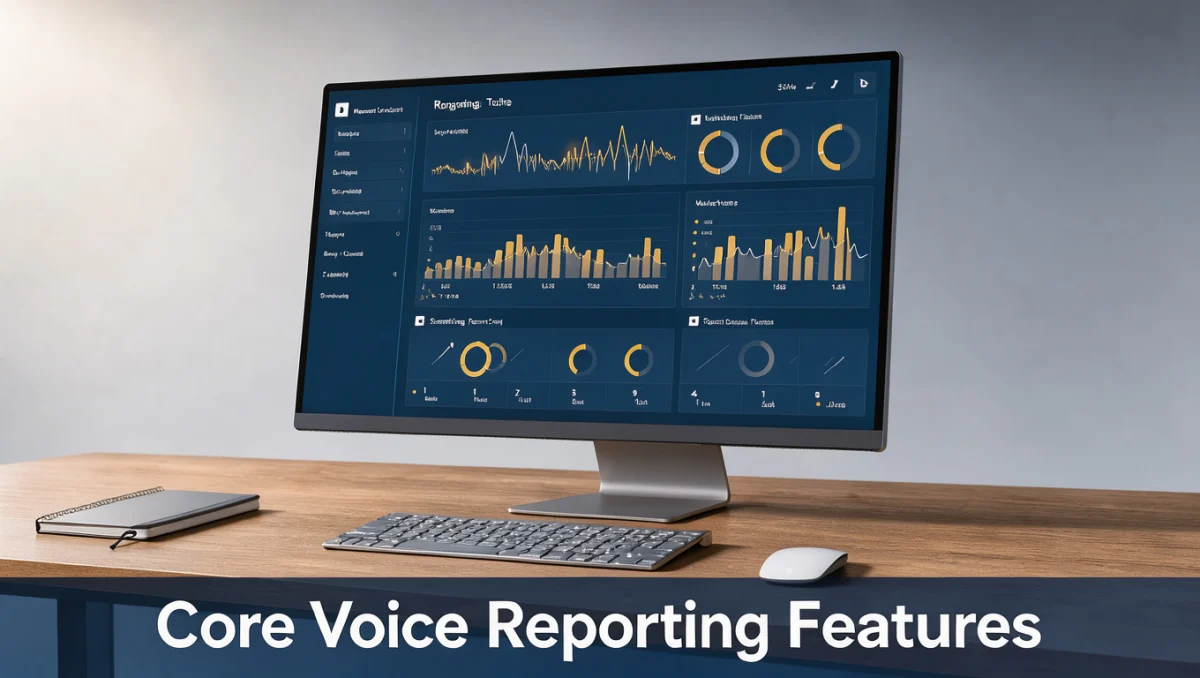
The system focuses on delivering uncomplicated operational clarity across day-to-day calling workflows. Understanding these capabilities helps leadership choose the right reporting setup for modern Customer Service units.
Tracking Inbound Volume and Call Flows
Monitoring total calls reveals traffic surges and shifting communication patterns throughout the week. The interface compiles answered inquiries, abandoned calls, and voicemail records into organized digests. Team leads use these patterns to refine staffing schedules and prepare for busy hours based on authentic caller habits.
Agent Productivity and Activity Insights
Supervisors can observe individual call counts, connected conversation hours, and availability status across shifts. This direct operational insight allows managers to balance workloads evenly, spot coaching needs, and conduct fact-based team reviews.
Duration Metrics and Service Standards
Service metrics highlight hold durations, average dialogue lengths, and connection times on shared numbers. Monitoring these points helps pinpoint routing delays and optimize initial automated menus, ensuring reliable communication standards across teams.
Interface Clarity and Usability
Administrative simplicity is a major asset of the system. Team leads can easily examine operational summaries and performance graphs without assembling complicated database queries.
Administrators can promptly evaluate line throughput, outbound volume, and unattended calls. The sensible design reduces necessary onboarding time for supervisors.
Nevertheless, companies employing dedicated data analysts might find standardized dashboards somewhat rigid compared to specialized enterprise business intelligence suites. Teams must decide if intuitive out-of-the-box visibility matches their workflow better than customizable query engines.
Core Strengths and Operational Limitations
Balancing functional strengths against structural limitations is critical when selecting software.
Operational Advantages
- Structured visual reporting for answered, unanswered, and voicemail interactions.
- Clear agent monitoring to balance outreach loads across representatives.
- Straightforward navigation demanding minimal supervisor training.
- Unified visibility across telephone lines to improve shift scheduling.
Operational Limitations
- Standard dashboards emphasize practical summaries over advanced data science modeling.
- Historical log storage periods vary depending on the chosen subscription tier.
- Complex analytical segmentations might require external data warehouse integrations.
Comparing Aircall Against Alternative Solutions
Looking at alternative phone software clarifies where this solution fits in the communication market.
Dialpad distinguishes itself through native transcription tools and conversational intelligence, making it an attractive option for teams that prioritize immediate sentiment analysis.
RingCentral delivers a wide-ranging unified telecommunications suite that includes video conferencing and team messaging alongside enterprise-grade phone functionality.
Talkdesk serves high-volume contact centers with extensive workforce management tools and intricate multi-level routing frameworks for specialized operations.
Identifying the Ideal Audience
Different roles extract value from telephone metrics in distinct ways depending on daily objectives.
Support Operations Leaders
Service managers benefit from tracking abandoned queues, caller hold times, and overall ticket volumes. These metrics ensure customer inquiries are resolved rapidly and team coverage matches inbound demand.
Sales Outreach Supervisors
Sales leadership needs visibility into daily dials, connection rates, and talk time across the floor, allowing managers to guide outreach strategies and support rep development.
Growing Business Operators
Company founders overseeing shared office lines can identify peak contact windows without investing in complex legacy PBX hardware, ensuring steady operational staffing.
Situations Where Other Tools Fit Better
Massive enterprise operations requiring deep workforce optimization engines or direct internal SQL querying will likely find focused voice dashboards limiting, preferring specialized business intelligence ecosystems.
Selecting an Appropriate Tier
Software tiers dictate available reporting tools, real-time views, and metric extraction methods. Confirm precise inclusions with the vendor before committing.
| Consideration | Operational Value |
|---|---|
| Data Log Retention | Defines historical span for evaluating seasonal patterns and representative progress. |
| Live Activity Views | Allows leaders to observe active calls and live agent states concurrently. |
| Data Export Features | Permits exporting call figures to spreadsheets or external analytical tools. |
| Custom Filters | Enables metric breakdown by custom line assignments, tags, or operational timeframes. |
Common Questions
How should buyers verify current reporting capabilities?
Users should inspect the provider's official tier guide directly, as providers update features, storage durations, and metric options on a regular basis.
What factors impact overall communication investment?
Expenses depend on subscribed seat counts, optional toll usage, international destinations, and extra data packages. Evaluating team volume helps maintain budget expectations.
How can leaders best prepare for metric reviews?
Establish operational benchmarks like acceptable wait times and response targets beforehand. Clear goals allow teams to interpret traffic fluctuations constructively.
When is external metric export necessary?
Exporting figures becomes important when merging phone records with CRM data, financial sheets, or support desk tickets within separate analytics software.
Final Score and Recommendation
The platform delivers an approachable, structured voice reporting environment that grants team leaders fast clarity over calling trends, supporting informed scheduling and consistent service.
| Benchmark | Score /10 | Justification |
|---|---|---|
| Feature Set | 8.0 | Handles primary volume tracking, rep visibility, and duration monitoring effectively. |
| User Experience | 8.5 | Clear visual presentation allows immediate operational oversight with minimal configuration. |
| Value & Cost | 7.0 | Offers dependable operational utility, though plan tiers must be verified on the official site. |
| Ecosystem Links | 8.0 | Binds voice records into wider company workflows through common external software connections. |
| Audience Fit | 8.5 | Matches the needs of expanding support desks and outbound teams wanting accessible phone monitoring. |
| Customer Assistance | 7.5 | Supplies standard support resources that should be weighed against team expectations. |
| Market Positioning | 8.0 | Maintains a competitive stance by emphasizing straightforward oversight over bloated setups. |
Summary Rating: 7.9/10
For teams prioritizing usable voice insights without configuration headaches, this reporting environment provides a solid foundation. For further guidance on software assessments, reach out through our contact page or connect via professional social channels.