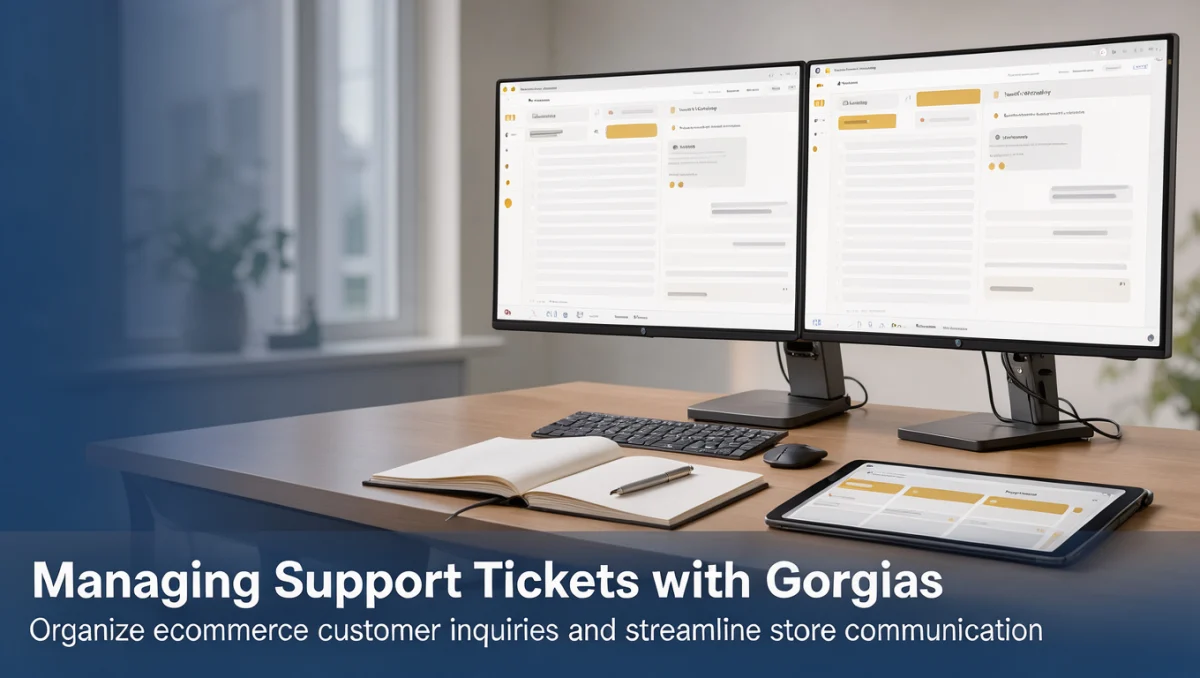
Ecommerce support teams often find that customer messages arrive from many directions at once. Email, contact forms, social direct messages, and chat widgets can quickly create a tangle of unanswered threads. Learning how to manage support tickets with Gorgias starts with pulling every inbound conversation into one shared queue and defining clear rules for who handles what. When order records sit beside each conversation, agents spend less time switching tabs and more time solving real buyer problems.
Some background on the tool: Gorgias is built around merchant customer interactions, with a unified inbox, rule-based sorting, and order context panels. We reviewed it at testedtruth against our standard criteria, and the short version is that it suits online stores with steady order-related inquiries, but it is less suited to internal engineering bug tracking or field service dispatch. Plan limits and channel fees change, so always confirm current details on the official pricing page before committing.
Before You Begin: Map Your Channels and Order Data
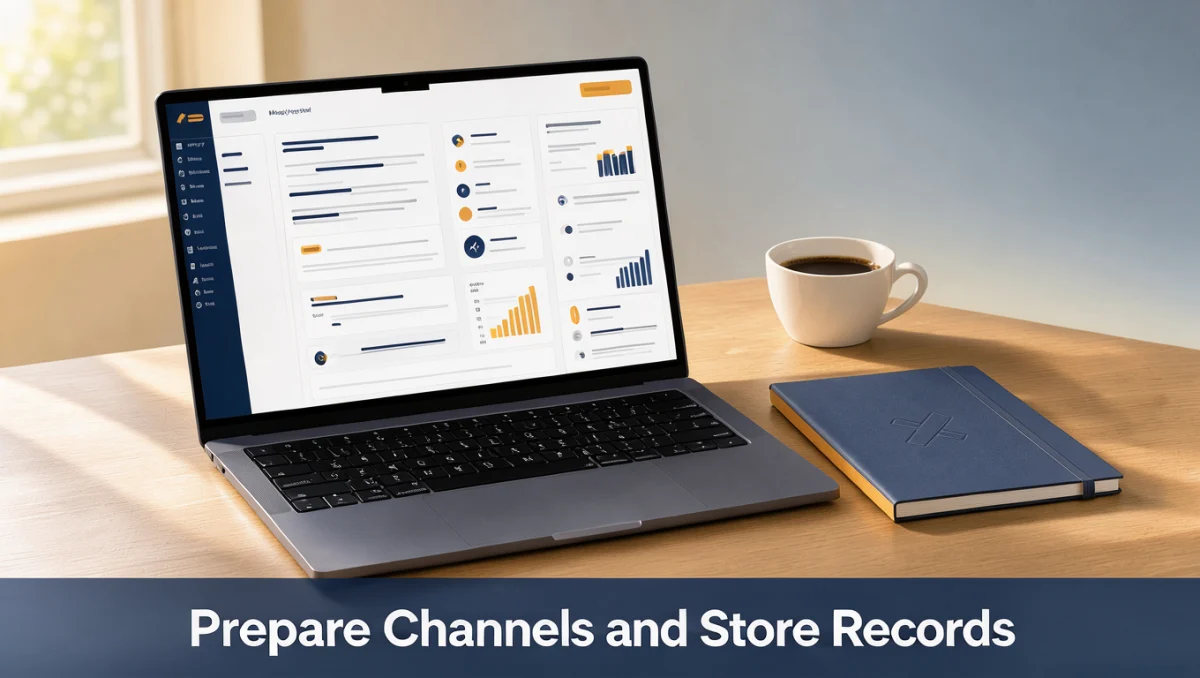
Start by listing every place customers can reach you, including inbound email addresses, social profiles, chat widgets, and phone lines. Each of these channels should feed into the same workspace, which prevents missed follow-ups and duplicate replies from different staff members. Once the channels are mapped, check the connection settings in Gorgias to confirm each one is active.
Next, connect your store so agents can see purchase history, tracking status, and shipping addresses directly in the ticket view. This single step removes a surprising amount of friction. Before relying on it for live tickets, verify on the official setup guide that your merchant platform syncs order records correctly.
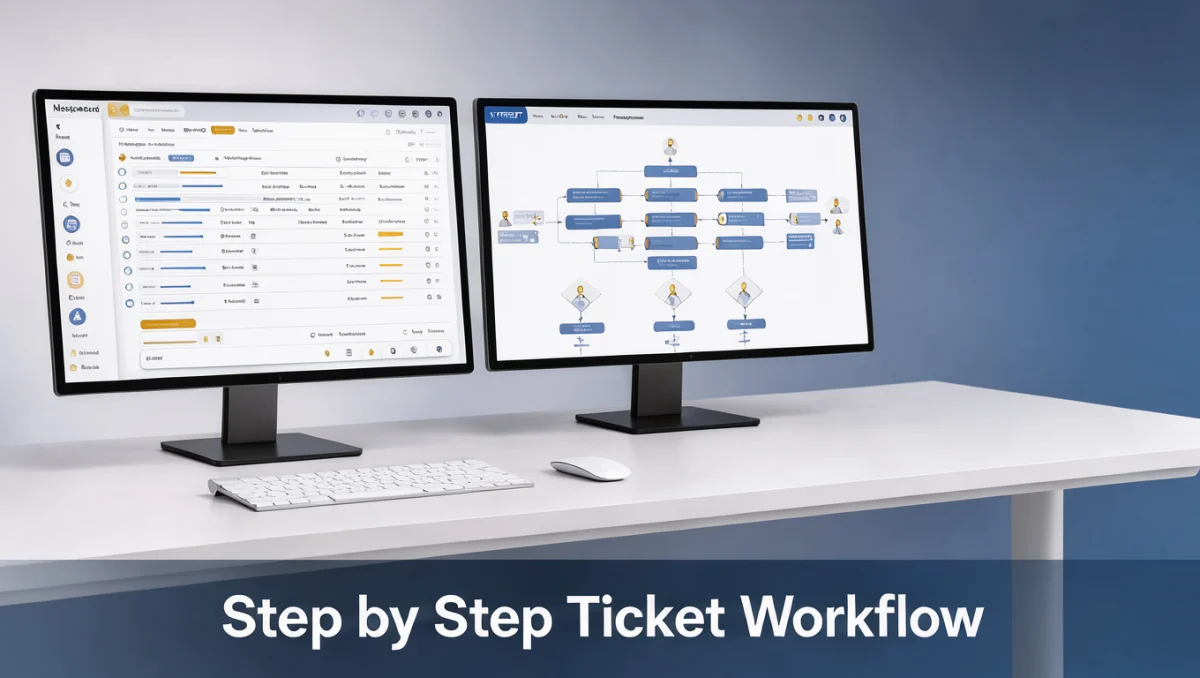
A Five-Step Workflow for Ticket Handling
Step 1: Build Clear Views for Incoming Work
Group conversations into views based on status, channel, or inquiry type so urgent items do not sink under routine messages. A practical setup includes an unassigned queue for new arrivals, a priority view for pre-fulfillment changes such as address corrections or cancellations, and a separate folder for escalations that need supervisor approval.
Step 2: Standardize Tagging
Tags reveal why customers write in and which products generate the most questions. Agree on naming conventions across the team so everyone applies the same labels. Consistent tags such as return request, damaged product, tracking inquiry, and wholesale request make filtering fast and allow managers to spot recurring shipping or quality problems.
Step 3: Set Up Triage and Assignment Rules
Automated rules can sort and route messages based on sender intent, channel origin, or keywords. Route tickets to agents with the right language skills or authority level, and spread the load so no one agent is overwhelmed. Test each rule before going live to confirm tickets land where intended.
Step 4: Use Templates Without Losing the Personal Touch
Pre-written templates help agents answer common questions about shipping policy, return steps, and business hours with accurate, on-brand wording. Before sending, personalize each reply with the customer's name and specific order details. Templates save typing time, while personalization keeps the response genuinely helpful.
Step 5: Update Orders and Close the Loop
Many tickets require an action in the store itself, such as changing an address or issuing a return authorization. Confirm the customer's identity and order number first, make the change in the connected store panel, and record it in an internal note for the audit trail. Then send the confirmation to the shopper and mark the ticket resolved.
Operational Habits That Keep Backlogs Down
Time-sensitive requests deserve faster attention than general questions. Address corrections on unfulfilled orders and cancellations should come first, followed by checkout or payment errors that threaten lost sales. Wholesale or partnership questions can wait in a secondary queue, while high-value customer issues may warrant review by a senior agent.
Internal notes are valuable for team continuity. Use them to summarize complicated order histories, record supervisor approvals, or explain why a replacement shipped. When a different agent picks up the thread, they can continue without asking the customer to repeat the problem.
Supervisors should review unassigned volume and pending counts at the start and end of each shift. If volume spikes during a promotion, reassign staff early. Schedule regular cleanup windows to close abandoned threads or follow up with unresponsive shoppers, keeping the active queue focused on work that needs attention.
Mistakes That Undermine Ticket Management
Heavy reliance on generic automated replies frustrates buyers who need real help. An automated acknowledgment should name the specific issue and offer a path to a human agent if the automation does not solve it. Test these flows regularly so they stay relevant.
Inconsistent tagging is another common problem. If one agent tags an inquiry as refund while another uses return or chargeback, reports become unreliable and return volume cannot be measured accurately. Maintain an approved tag glossary, refresh onboarding regularly, and audit tags periodically.
Finally, do not leave resolved conversations open. Define clear criteria for when a ticket moves to closed or snoozed status, and instruct agents to close threads once every question is answered and any required store updates are complete. A tidy workspace lets agents focus on what genuinely needs them.
Who Benefits Most from This Approach
Independent store owners and small retail teams benefit from having order data and customer conversations in one place, which removes manual lookups. Confirm the ticket limits and agent seat allocations on the official pricing page, since total conversation volume drives subscription cost.
Growing direct-to-consumer brands gain the most from structured tagging and routing, because consistent rules keep service standards steady across multiple shifts. Review channel add-on terms and permission settings before planning expansion.
Organizations outside online retail, such as software firms, consulting agencies, or field service providers, usually need technical bug tracking or enterprise project management rather than a retail-focused helpdesk. Those teams should evaluate tools built for their own operational workflows.
Frequently Asked Questions
How should teams decide which tickets to handle first?
Prioritize inquiries where delay causes financial loss or fulfillment errors, such as cancellations and shipping address changes. Sorting by customer intent prevents orders from shipping to the wrong address.
What should managers check before enabling routing rules?
Verify all connected sales channels, review agent schedules, and define a standard tag taxonomy first. Confirm in the official Gorgias documentation how condition triggers interact so tickets do not get misrouted.
How do teams avoid duplicate replies?
Assign each ticket to exactly one agent owner and train staff to claim a ticket before drafting a reply. Collision alerts, where available, help catch overlapping work.
What drives total helpdesk cost?
Costs typically depend on monthly ticket volume, active agent seats, connected channels, and advanced automation add-ons. Check the official plan comparison to see how ticket thresholds affect billing.
When is it time to move to an ecommerce-focused helpdesk?
Consider it when agents spend significant time switching between order databases and email to find tracking numbers and purchase histories. Direct store data visibility is where a specialized helpdesk pays off most.
Final Thoughts
Gorgias offers a focused environment for ecommerce merchants who want shopper conversations and order data in one place. Its rule-based workflows, shared inbox, and customer context panels can noticeably reduce friction for retail support teams. Our overall testedtruth score is 8.0 out of 10 for merchant communication, with the caveat that value depends on your ticket volume and plan structure.
For store managers, organizing daily ticket work around purchase history leads to more consistent and faster support. Confirm your monthly conversation volume on the official Gorgias website to choose the setup that fits your needs.
Have questions about choosing helpdesk software for your team? Contact our editors at https://testedtruth.com/contact/ or follow testedtruth on LinkedIn at https://www.linkedin.com/company/testedtruth/ for regular software updates.
See More Customer Service · Tested Truth