Tested Truth may earn a commission when you buy through links on this page, at no extra cost to you. This does not affect our assessments.
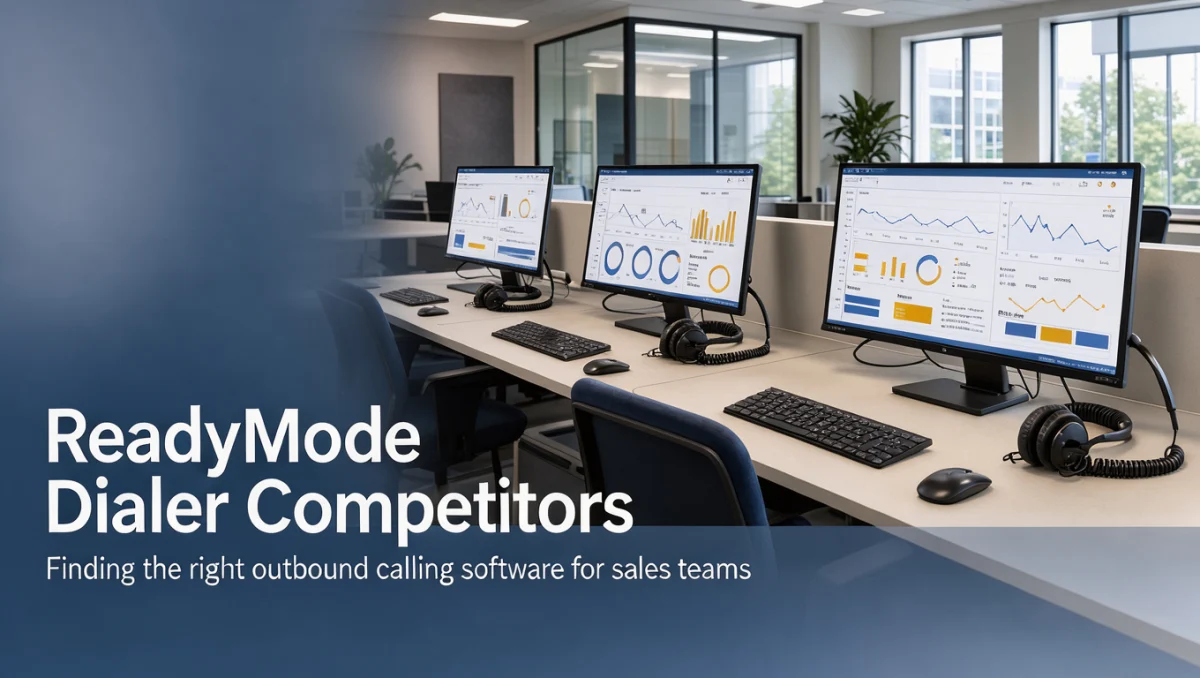
Outbound sales groups looking at call automation, lead handling, and contact center tools frequently come across several readymode dialer competitors. Each one takes a different path to automating calls, managing contacts, and running operations, and the right choice depends on daily call volume, outreach workflow, and how closely managers need to supervise. Our editors review sales technology so that buyers can find software suited to their particular calling needs.
Readymode is an outbound predictive dialer aimed mainly at high-volume sales floors and inside sales teams. Predictive calling connects agents to live prospects quickly, but a shift in strategy or in team size often prompts a search for alternatives. Choosing well means weighing your contact management style, dialing method, administrative oversight needs, and how readily your team will adopt the tool.
Quick verdict: Readymode earns 7.5/10 on our evaluation framework. It fits high-volume outbound operations that want automated predictive pacing, and it is less suited to teams that need simple single-agent workflows or make calls only occasionally.
| Metric | Details |
|---|---|
| Tested Truth score | 7.5/10 |
| Best for | Outbound calling teams focused on high-volume prospect outreach and steady live-answer connections. |
| Not ideal for | Solo professionals or occasional callers who need simple manual outreach and basic contact logging. |
| Key strengths | Automated predictive dialing, centralized agent queue distribution, and live supervisor visibility. |
| What to check before buying | Confirm seat commitments, connection charge structures, and data handling requirements on the official vendor site. |
1. How Tested Truth Reviewed Readymode
This review covers what Readymode is built to do, who it serves, and how it stacks up against similar tools. We judge it on seven criteria: features, ease of use, pricing and value, integrations, audience fit, support, and competitive position. Plans, prices, and limits change often, so we flag what to confirm on the official website before buying. This article was researched and drafted with help from AI tools, then reviewed and edited by the Tested Truth Editorial Team.
2. Why Sales Teams Evaluate Readymode Alternatives
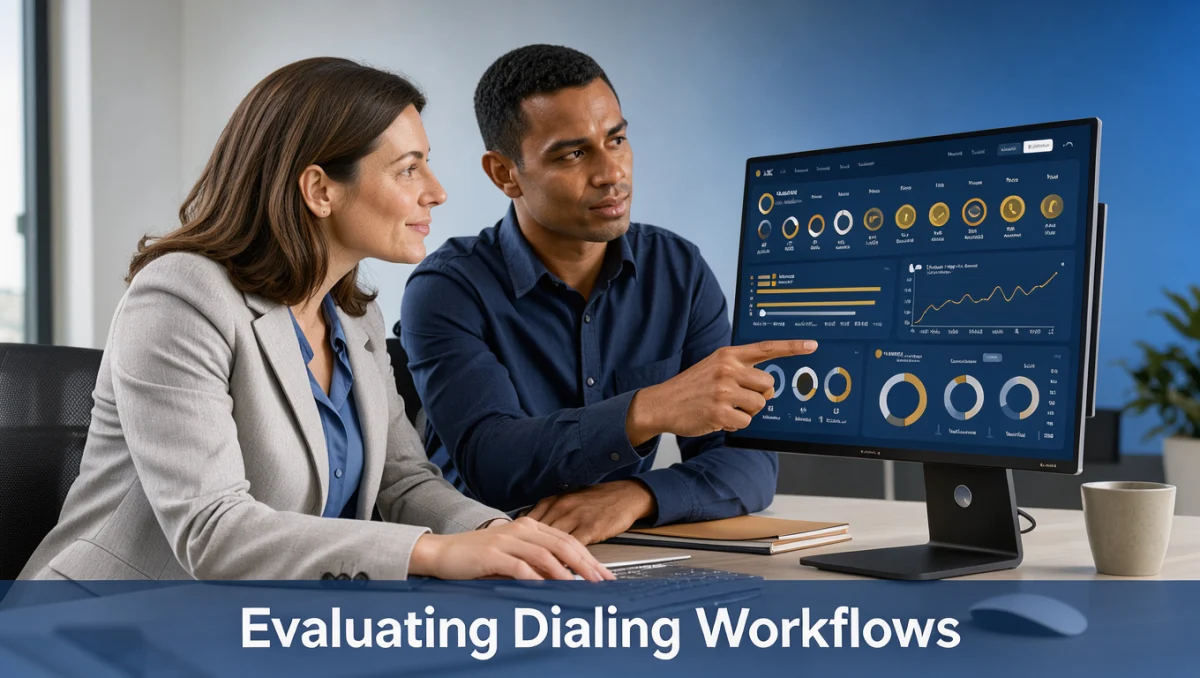
Sales teams look at other contact center systems when their priorities move away from rapid predictive dialing toward multichannel interaction or more flexible pacing. Understanding what drives that shift helps buyers identify which alternative fits their long-term growth.
2.1. Different Dialing Method Needs
Predictive dialing places calls to several numbers at once and connects answered calls to available agents. This maximizes live conversation time for large teams, but smaller groups often find that power dialing or preview dialing gives them better control over lead context. A platform with flexible dialing styles reduces dropped calls and improves conversation quality.
2.2. Multichannel Communication Requirements
Many outbound organizations now need more than voice calls to reach prospects. When outreach includes text messaging, inbound inquiries, and email, operations teams often prefer broader platforms from the Collaboration & Productivity software space over pure voice dialers. Check vendor documentation to confirm the tool supports your outreach channels.
2.3. Administrative and Reporting Demands
Operational complexity grows as calling teams expand across regions. Supervisors need real-time floor monitoring, recording audits, and agent productivity metrics that match internal quality benchmarks. When administrative workflows become rigid, organizations look at competing products that simplify list management and agent reassignment.
3. Quick Comparison: Top Readymode Competitors
The table below summarizes the main alternatives to Readymode and the operational settings where each one works best.
| Tool | Best for | Core strength |
|---|---|---|
| PhoneBurner | Sales development reps who need high-touch preview and power dialing without connection delays. | Streamlined workflow pacing with instant call transfer and personal contact ownership. |
| Five9 | Enterprise contact centers that need unified inbound and outbound call routing across large departments. | Broad contact center administration, intelligent routing, and multi-tier supervisor controls. |
| Talkdesk | Modern cloud customer interaction teams that prioritize customizable call workflows. | Intuitive contact management with flexible call routing customization. |
| VICIdial | Technical call centers that want full software customization on self-managed infrastructure. | Open operational framework that supports heavy administrative modification. |
4. Detailed Analysis of Readymode Dialer Competitors
Comparing each alternative on operational focus, administrative balance, and organizational fit will help your team choose the right calling infrastructure.
4.1. PhoneBurner: Power Dialing for Personalized Sales Conversations
PhoneBurner focuses on power dialing for sales representatives who want direct conversation control without the connection lag of predictive systems. Unlike predictive platforms that ring several records at once, a power dialer calls one contact at a time under direct agent visibility.
The platform serves inside sales professionals, real estate agents, and independent development reps who value conversation preparation over raw call volume. Because agents hear each ring and review contact notes before greeting a prospect, awkward connection pauses are avoided. Teams should consider PhoneBurner when lead quality is high and individual prospect research matters before the conversation begins.
4.2. Five9: Enterprise Outbound and Inbound Contact Centers
Five9 targets large enterprise contact centers that combine high-volume outbound campaigns with multichannel inbound customer support. Its architecture suits organizations coordinating hundreds of concurrent agents across several departments.
The platform offers extensive supervisory administration, sophisticated campaign management, and detailed workforce management tracking. Enterprises choose it when they need deep administrative controls and cross-department coordination within one operational stack. Buyers should review Five9 when their scope goes beyond a standalone outbound sales floor into complex corporate contact center operations.
4.3. Talkdesk: Agile Cloud Interaction Management
Talkdesk provides a modern cloud contact center environment for fast-growing businesses that value simple configuration and unified voice infrastructure. It supports teams handling both customer interactions and coordinated outbound follow-up.
The platform centers on adaptable call flows, visual campaign configuration, and accessible administrative oversight. Mid-sized companies and modern commercial teams often pick Talkdesk when supervisors need quick workflow adjustments without a long deployment. Organizations should consider it if they want easy administration alongside flexible communication routing.
4.4. VICIdial: Open-Source Contact Center Customization
VICIdial is an open-source outbound dialer built for technical organizations that run their own telephony infrastructure. It offers predictive, power, and manual dialing without traditional vendor licensing constraints.
This system suits technology-forward contact centers and organizations with in-house telecom engineers who can manage server architecture. Because the code is fully open, technical administrators can change operational logic, adjust reporting, and fine-tune dialing pacing. Consider VICIdial if you have dedicated technical staff and prefer independence from proprietary software subscriptions.
5. How to Choose the Right Dialer for Your Organization
Choosing among readymode dialer competitors means matching dialing pacing, operational scope, and administrative capabilities to your organizational goals.
5.1. Match Dialing Technology to Lead Value
High-value prospects call for personal attention, pre-call context review, and no connection delays. Broad cold-outreach databases, by contrast, often benefit from the efficiency of predictive engines that filter out unanswered attempts. Audit your contact lists and pick a dialer that balances conversation quality with contact frequency.
5.2. Review Total Administrative Overhead
Implementation involves more than assigning seats to callers. Consider who will upload lists, scrub compliance registries, monitor active calls, and produce executive summaries. Choose a tool that fits your management team's capacity so supervisors spend their time coaching agents rather than troubleshooting technical issues.
5.3. Technical and Infrastructure Evaluation Checklist
Before starting vendor discussions, prepare a checklist to clarify internal technical requirements:
- Confirm telecom carrier requirements and regional phone number availability on vendor resources.
- Verify administrative data export formats to ensure smooth updates to external databases.
- Assess internet bandwidth needs for concurrent voice streams across the entire sales floor.
- Determine the supervisor-to-agent ratio needed for real-time whispering, barging, and queue monitoring.
6. Frequently Asked Questions
6.1. What is the difference between a predictive dialer and a power dialer?
A predictive dialer estimates agent availability and calls several phone numbers at once, passing only answered connections to reps. A power dialer dials contacts one at a time per rep, so the agent is connected as soon as the prospect picks up.
6.2. How do outbound teams decide when to move away from predictive dialing?
Teams usually move away from predictive dialing when lead acquisition costs rise and each record needs tailored research. When conversion depends on thoughtful, well-researched conversations rather than raw call volume, preview or power dialing tools tend to win out.
6.3. What should buyers check regarding telecommunications usage?
Buyers should confirm per-minute call rates, regional carrier surcharges, and local number provisioning terms on official vendor pricing pages. Telecom costs can quickly outpace software seat subscriptions if usage is not calculated in advance.
6.4. How should an organization plan agent onboarding?
Managers should run a phased onboarding that starts with administrative configuration and supervisor training before active sales reps join. Trial campaigns with sample records let reps practice call logging and disposition tagging without risking customer relationships.
7. Final Verdict on Readymode and Alternative Platforms
Readymode remains an established choice for high-volume sales floors that need predictive outbound calling. Organizations with diverse communication needs or high-touch sales strategies, however, may find that competing platforms offer pacing and administrative structures that better match their goals.
| Criterion | Score /10 | Reason |
|---|---|---|
| Features | 8.0 | Strong predictive dialing automation and queue routing for high-volume outbound calling. |
| Ease of Use | 7.2 | Administrative consoles require technical onboarding and deliberate operational management. |
| Pricing and Value | 7.4 | Buyers must evaluate official seat commitments and call connection usage terms. |
| Integrations | 7.0 | Data sync capabilities need careful checking against external CRM specifications. |
| Audience Fit | 8.2 | Serves focused high-volume outbound teams that need continuous conversation flow. |
| Support | 7.2 | Support models and coverage hours should be confirmed directly with the provider. |
| Competitive Position | 7.4 | Stays relevant in predictive dialing while facing strong competition from modern contact platforms. |
Overall score: 7.5/10
For enterprise contact centers that blend inbound and outbound services, Five9 offers an adaptable corporate foundation. For sales teams that put a premium on conversation quality and immediate prospect connection, PhoneBurner provides an effective power-dialing workflow. High-volume outbound telemarketing teams should keep benchmarking Readymode against these alternatives based on current campaign needs.
Have questions about choosing outbound sales or contact center software? Contact our team or join our professional discussions on LinkedIn.