Disclosure: testedtruth may earn a commission when you buy through links on this page, at no extra cost to you. This does not affect our ratings.
Deciding between openphone vs grasshopper means weighing modern team collaboration against traditional call routing for small organizations. Business phone systems differ in how they handle calls, texts, contact records, and shared access, so understanding those differences is the first step. Our team reviews these tools to help owners match software capabilities to real operational needs in 2026.
Both services provide a dedicated business number without tying company records to a personal line. Grasshopper concentrates on call forwarding, extensions, and routing calls to standard mobile phones. OpenPhone, by contrast, organizes texts and calls into shared inboxes and conversation threads that the whole team can work from. The right pick depends on whether your staff works as a group or each person handles their own calls.
Quick verdict: Overall score is 8.2/10. OpenPhone suits distributed teams that need shared communication and collaborative inbox management. Grasshopper fits solo operators or traditional businesses that want basic forwarding and extensions without digital workspace features.
| Metric | Summary Details |
|---|---|
| testedtruth score | 8.2/10 |
| Best for | Teams that need shared contact management and collaborative messaging |
| Not ideal for | Organizations that want legacy desk phone hardware without digital workspace interaction |
| Key strengths | Voice calling, business messaging, shared team lines, and extension routing |
| What to check before buying | Confirm per-user pricing, messaging volume terms, and international calling rates on official vendor pages |
1. How testedtruth Reviewed OpenPhone and Grasshopper
We assessed what each product is built to do, who it serves, and how it stacks up against similar tools, using seven testedtruth criteria: features, ease of use, pricing and value, integrations, audience fit, support, and competitive position. Plans, prices, and limits change often, so we flag what to confirm on each official website before purchasing. This article was researched and drafted with AI assistance, then reviewed and edited by the testedtruth Editorial Team.
2. Short Answer: Which Business Phone System Fits Your Workflow
2.1. Immediate Takeaway for Decision Makers
When weighing openphone vs grasshopper, the core question is whether you need team collaboration or conventional call forwarding. OpenPhone offers an environment built around shared contacts, internal comments on customer threads, and a transparent communication history. Grasshopper works mainly as an incoming call router that sends calls to personal cell phones or landlines through extensions.
Buyers running active group workflows usually want a shared number where several colleagues can reply to texts and voice calls from one place. Independent operators who only need a dedicated business caller ID and answer on their own devices may find a straightforward forwarding setup more practical.
3. Positioning Overview
3.1. Comparison Matrix
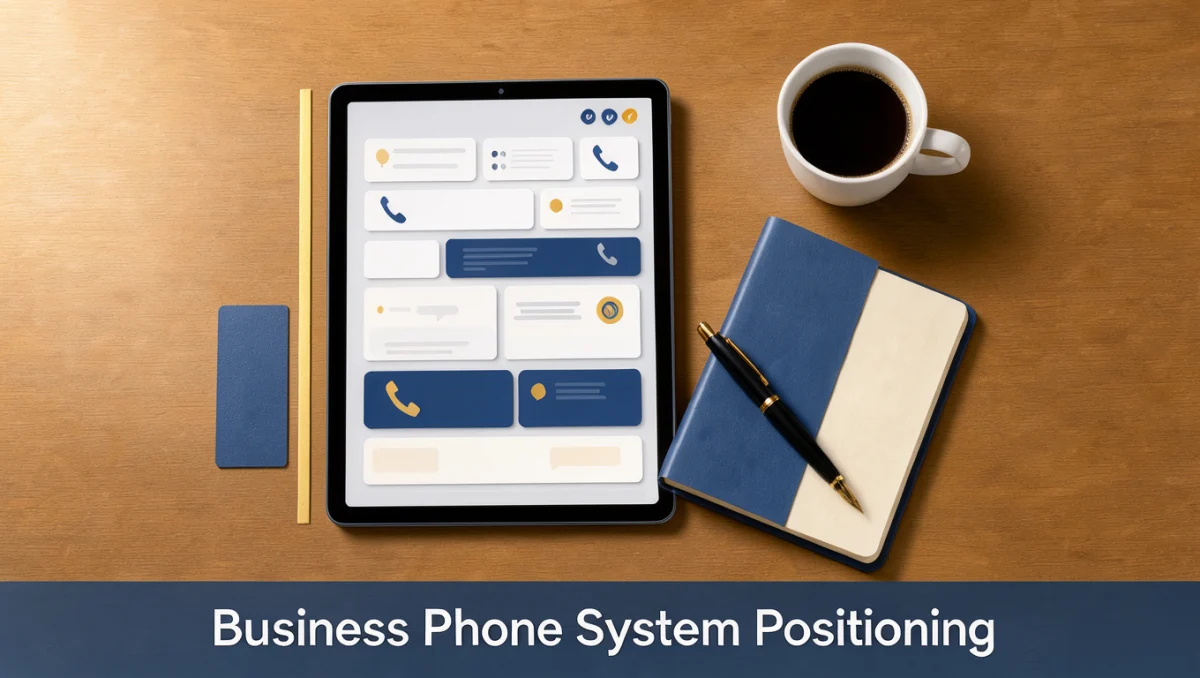
Understanding each application's architectural focus helps avoid friction after onboarding. Looking at general options within the broader Collaboration & Productivity space shows how differently these tools approach voice communication.
| Tool | Best for | Core strength | Consider if |
|---|---|---|---|
| OpenPhone | Teams wanting shared inboxes and workspace collaboration | Shared numbers, contact threads, and integrated team chat | Your staff shares customer communication responsibilities |
| Grasshopper | Solo entrepreneurs needing basic call forwarding | Simple extension menus and mobile cellular routing | You want incoming calls diverted without team threads |
Ask whether company communication happens as shared group work or as isolated individual conversations. That answer tells you whether modern contact workspaces or traditional telephone trees will serve you better.
4. Criteria Breakdown for OpenPhone vs Grasshopper
4.1. Core Communications Features
Business phone platforms organize voice calls, text messaging, and voicemail transcription so business records stay separate from personal ones. OpenPhone groups interactions into unified customer conversation feeds where team members can review call logs, voice messages, and texts together.
Grasshopper structures communication around extensions, greetings, and traditional forwarding rules. Callers hear an automated greeting that directs them to a department or extension, which then rings a designated mobile device. Verify on each vendor site whether features such as automated attendant trees or call recording meet your expectations.
4.2. Ease of Setup and Everyday Usability
Interface usability determines how quickly a business can move everyday calling off private cell numbers. OpenPhone offers a clean desktop and mobile interface modeled on modern messaging apps, so texting and contact notes feel intuitive to computer-centric teams.
Grasshopper relies on web-based admin menus to assign forwarding numbers and record audio prompts, and users mostly work through their existing mobile phones or simple software dialers. For teams that want minimal training and immediate call answering, traditional forwarding requires very little behavior change.
4.3. Pricing Structure and Overall Value
Pricing models differ considerably across modern cloud telephone platforms. Many business voice services charge a predictable fee per user account, while forwarding-style tools sometimes tie subscriptions to a pool of included numbers and extensions regardless of headcount.
Before buying, check the official pricing pages for OpenPhone and Grasshopper to see how added seats, extra numbers, international dialing credits, and carrier compliance fees affect monthly spending. Confirming fee structures directly on vendor sites keeps budget projections accurate as staffing changes.
4.4. Third-Party Integrations and Workflow Connectivity
Connections to outside business software determine how smoothly call records flow into customer relationship management and email systems. OpenPhone links call and message events to central customer records, so teams can log communication history automatically.
Grasshopper takes a more standalone approach, focusing on standard cellular networks and emailing voicemail audio files. Our research emphasizes reviewing official integration directories before purchase, because connectivity rules vary significantly across service tiers.
4.5. Target Audience Fit
Audience alignment highlights how differently these two services are positioned. OpenPhone targets startups, digital agencies, and growing service companies that treat customer messaging and calling as a shared team responsibility. Members can draft internal replies, assign contact threads, and keep client accounts transparent.
Grasshopper serves independent trade professionals, solo consultants, and traditional retailers who need a professional phone greeting and call forwarding without complex administration. Businesses that never share incoming texts rarely need workspace-style messaging.
4.6. Support Channels and Customer Guidance
Support availability matters when phone numbers are critical operational infrastructure. Business communication platforms generally offer self-service knowledge bases, ticketing portals, or scheduled onboarding help.
Support access often depends on subscription tier. Verify available assistance channels on official provider pages before starting a number transfer so you can get help promptly during setup.
4.7. Competitive Position in the Market
Within the wider communication ecosystem, OpenPhone competes with collaborative voice tools and customer messaging hubs, while Grasshopper competes with classic virtual telephone services such as eVoice and Phone.com. OpenPhone reflects modern digital team workflows, while Grasshopper remains a familiar choice for simple business number separation.
Comparing alternatives lets decision makers balance feature depth against deployment simplicity. Neither platform requires specialized telecom hardware, so both are accessible for modern remote operations.
5. How to Decide Between OpenPhone and Grasshopper
5.1. Evaluation Steps for Small Teams
Choosing the right business communication system calls for structured evaluation rather than a rushed decision. Organizations can follow this sequence:
- Catalog current communication channels, noting weekly text volume versus inbound voice calls.
- Determine whether several staff members need simultaneous access to the same company line.
- Review hardware habits to decide between desktop software and cellular phone forwarding.
- Confirm number transfer requirements in official vendor documentation.
- Review subscription pages to see how adding users changes long-term costs.
5.2. Practical Assessment Workflow
Test real-world scenarios before committing resources. Make sure your trial covers outbound caller ID display, voicemail review, and how responses are coordinated when several employees handle incoming client inquiries at once.
Walking through these scenarios helps prevent communication bottlenecks, missed sales inquiries, and duplicated customer outreach after rollout.
6. Who Should Choose Which Platform

6.1. Freelancers and Solo Entrepreneurs
Solo professionals who want to separate personal calls from business inquiries can succeed with either platform. If you just want an automated greeting and direct forwarding to an existing cell phone, Grasshopper offers a streamlined setup. If you rely heavily on texting from a laptop and expect to bring on assistants later, OpenPhone gives you a foundation for delegation.
6.2. Growing Collaborative Teams
Organizations with customer support representatives, dispatchers, or account managers usually benefit from shared-number features. OpenPhone lets several colleagues respond to text threads, view call histories, and tag teammates on customer records. Grasshopper does not emphasize shared workspace collaboration, so it is less suited to shared operational queues.
6.3. Marketers and Operations Teams
Marketing teams running campaigns across several regional numbers often need visibility into incoming conversations and lead distribution. OpenPhone suits collaborative marketing environments where inquiries must be assigned quickly and followed up as a team. Grasshopper works best when calls only need routing to the right external department number.
6.4. Teams That Should Look Elsewhere
Large enterprise contact centers that require advanced interactive voice response trees, call center queue analytics, or specialized desk hardware integration should look beyond both platforms. Dedicated enterprise unified communications products offer supervision capabilities that small business tools are not designed to provide.
7. Frequently Asked Questions
7.1. Which Factors Determine Total Costs Across Phone Platforms
Total cost depends on account seats, dedicated numbers, outbound messaging volume, and carrier registration requirements. Check the official OpenPhone and Grasshopper pricing pages for user minimums and carrier surcharges before committing.
7.2. What Should Teams Review Before Porting Existing Phone Numbers
Verify your carrier account number, transfer PIN, and billing address before submitting a porting request. Review the vendor's official porting timeline to avoid interruptions to incoming calls during the switch.
7.3. How to Evaluate Software Fit for Shared Calling Workflows
Decide whether team members need to see who answered a given call or replied to a customer text. Shared inboxes allow transparent multi-user coordination, whereas traditional forwarding simply rings designated phones with no shared visibility.
7.4. Why Subscription Levels Matter for Growing Organizations
Subscription tiers determine permission controls, reporting depth, and external software connections. Review plan matrices on official provider websites so essential controls don't force an unplanned upgrade later.
8. Final Verdict
8.1. Score Summary
This comparison reflects how OpenPhone and Grasshopper serve different operational priorities in modern business environments.
| Criterion | Score /10 | Reason |
|---|---|---|
| Features | 8.6/10 | OpenPhone delivers collaborative shared inboxes, while Grasshopper provides reliable traditional extensions. |
| Ease of Use | 8.8/10 | Both platforms set up easily without complex on-premise telecom hardware. |
| Pricing and Value | 7.6/10 | Buyers must carefully verify seat costs and carrier messaging fees on official pages. |
| Integrations | 7.8/10 | Third-party connectivity varies significantly, so verify software directory compatibility directly. |
| Audience Fit | 8.7/10 | Each tool aligns with distinct targets: collaborative modern teams versus traditional solo operators. |
| Support | 7.4/10 | Confirm assistance channels and response expectations on official vendor portals before signing up. |
| Competitive Position | 8.5/10 | Both solutions hold strong positions in the small organization cloud telephony category. |
Overall score: 8.2/10
8.2. Recommendation Summary
For modern teams that want collaborative customer communication, shared contact management, and integrated messaging, OpenPhone is the natural choice. For solo practitioners and traditional small business operators who want straightforward call forwarding, extension greetings, and minimal software interaction, Grasshopper is a practical solution.
Readers with questions about software selection can reach our editorial department at Tested Truth or follow testedtruth on LinkedIn for ongoing operational software evaluations.