testedtruth may earn a commission when you buy through links on this page, at no extra cost to you. This does not affect our ratings.
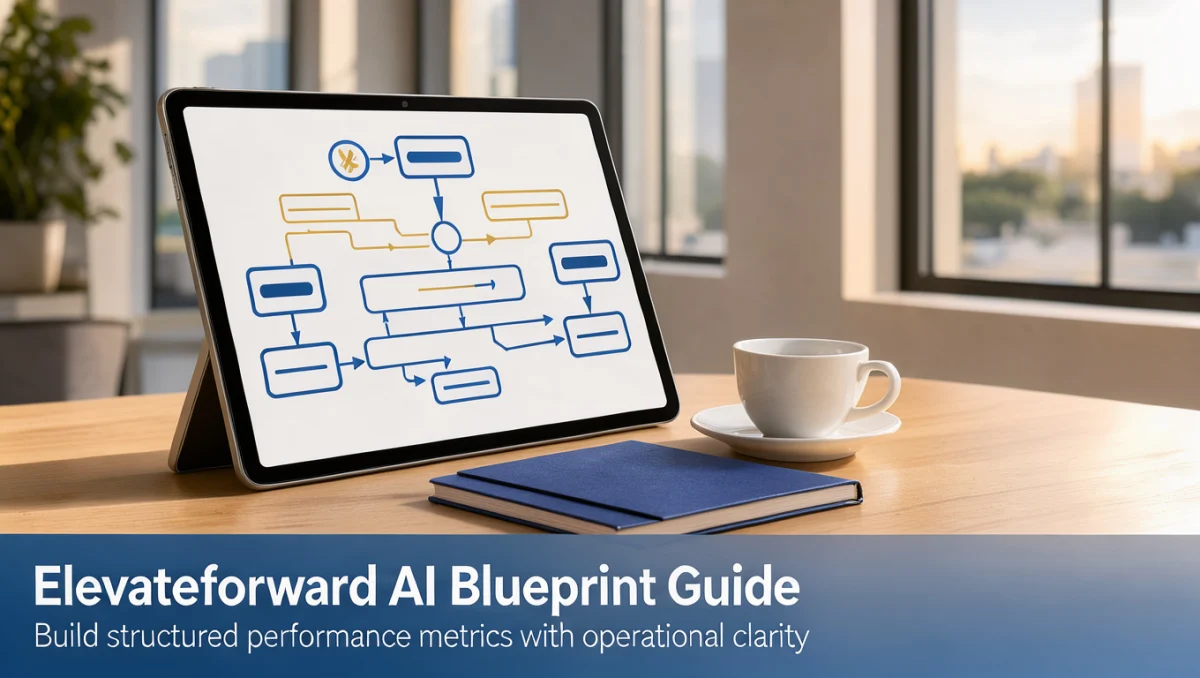
Building a solid performance structure starts long before you open any dashboard. Many organizations find it difficult to translate high-level strategy into measurable daily activities. This article, put together by testedtruth, explains how to create KPI blueprints with Elevateforward AI in a clear, repeatable way.
When organizational goals and measurable indicators are aligned, every team level can be held accountable against validated benchmarks. Setting up this framework early gives leaders and staff a shared reference point for progress.
Quick answer: Audit existing department goals, standardize your data inputs, generate draft indicator models, confirm tracking intervals on the official portal, and validate the framework with department leads across four phases.
| Element | Framework detail |
|---|---|
| Who this guide is for | Operations managers, department leads, and business planners aligning goals |
| What you need before starting | Past department goals, milestone timelines, and stakeholder access |
| What you will have at the end | A structured operational blueprint with defined metrics and review intervals |
1. How testedtruth Put This Guide Together
This guide pairs the capabilities of the software covered here with the testedtruth evaluation framework, so you can judge whether it suits your business. Plans, pricing, and limits change frequently, so we highlight what to verify on the official website before purchasing. The article was researched and drafted with the help of AI tools, then reviewed and edited by the testedtruth Editorial Team.
2. Before you start
Gather the core business documents you need to set realistic targets before opening your planning session. Configuring analytical structures in any artificial intelligence platform works best when the inputs are clean and consistent.
- Documented company milestones for the upcoming quarters.
- A list of team members responsible for data validation and reporting.
- Historical performance records from prior quarters to set baseline values.
- Confirmation of available workspace roles and user seat permissions on the official Elevateforward AI account page.
3. Step-by-step workflow

Following a deliberate sequence prevents confusion within teams and keeps your tracking models aligned with real operational capacity. Always check current workspace configuration guidance on the official Elevateforward AI website while you work.
- Define strategic outcomes: Set two or three top-level objectives for the quarter so every later metric supports your core priorities.
- Establish input and output metrics: Group measurement points into leading indicators, such as outreach activity, and lagging indicators, such as completed sales.
- Generate blueprint drafts: Enter clean organizational parameters to produce operational frameworks suited to your business model.
- Assign operational owners: Name one accountable manager for each key result to keep reporting disciplined.
- Verify tracking rules and automated schedules: Compare notification frequencies and dashboard refresh settings with the documentation on the official Elevateforward AI portal.
- Run a departmental cross-check: Review the metric framework with key stakeholders to confirm that target thresholds are achievable.
4. Your first 30 days
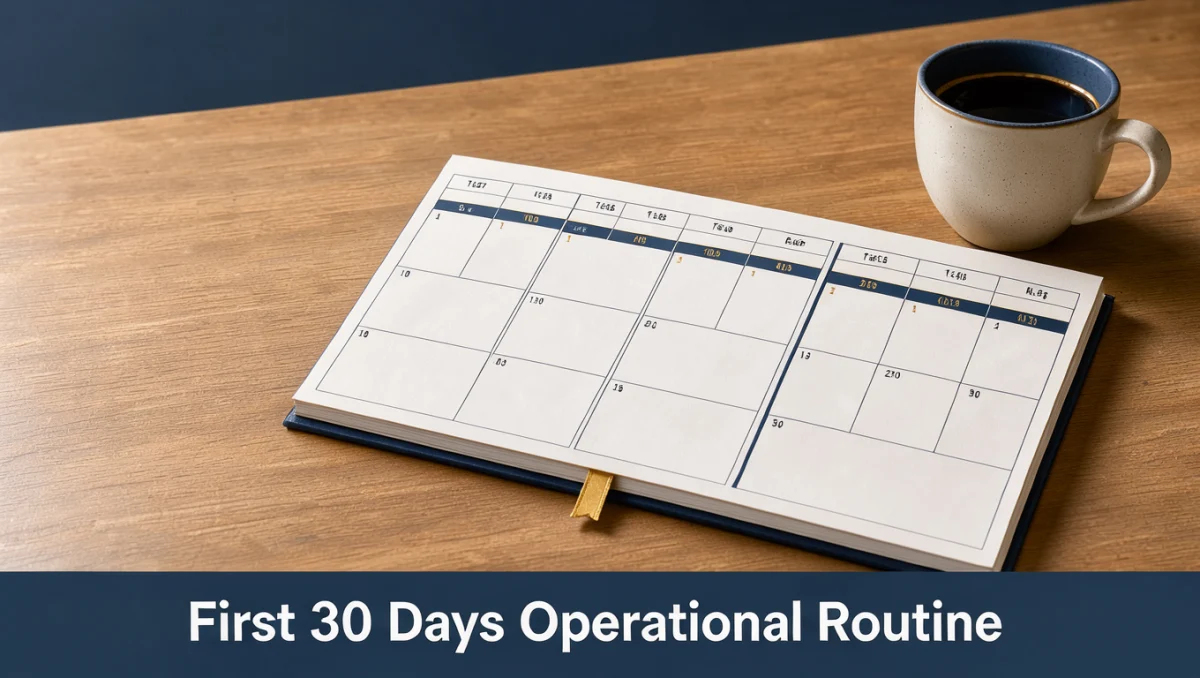
Putting measurement frameworks into practice requires steady upkeep over the first four weeks. Following this schedule helps your tracking routines become consistent habits across departments.
| Week | Routine to build | Why it matters |
|---|---|---|
| Week 1 | Verify baseline inputs and user permissions | Prevents inaccurate starting data from distorting benchmark targets. |
| Week 2 | Hold a mid-cycle metric review with department leads | Helps managers understand target thresholds early. |
| Week 3 | Check notification delivery and variance flags | Confirms tracking schedules work properly across teams. |
| Week 4 | Run a full monthly performance retrospective | Builds the groundwork for adjusting goals in the next cycle. |
5. Common mistakes and how to avoid them
Metric design failures usually come from process missteps rather than tool limitations. At Tested Truth, we examine workflow bottlenecks so operational teams can roll out enterprise software without costly delays.
- Tracking too many indicators: Monitoring excessive metrics dilutes focus; limit each department to five primary indicators.
- Leaving ownership unclear: When several leaders share an indicator, accountability drops; assign one owner per target.
- Ignoring historical data: Setting aspirational targets without reviewing past records discourages teams; always check historical output first.
- Skipping weekly verification: Leaving data unchecked until month-end creates reporting discrepancies that compound.
6. When to ask for help
Some organizational challenges call for expert advice or vendor support before you finalize your framework. Recognizing when to escalate technical or structural issues saves valuable management time.
- Complex cross-department dependencies: Consult a certified operations consultant when metrics overlap across several business divisions.
- Data synchronization errors: Contact the technical product team through the official vendor portal if automated calculations fail to display.
- Regulatory compliance questions: Speak with financial or legal advisors if your indicators govern statutory filings or employee compensation.
7. Frequently asked questions
What baseline documentation is required before setting up tracking?
Teams should assemble current strategic plans, past milestone results, and an updated list of operational owners. Having these materials ready before configuring your framework prevents delays during initial blueprint mapping.
How should managers set target thresholds for newer metrics?
Leaders should review the last two quarters of internal performance records or relevant industry benchmarks. Set initial targets conservatively during the first cycle and refine them as consistent operational data becomes available.
Where should subscription options and account privileges be confirmed?
Account administrators should check the official Elevateforward AI website for administrative permissions and tier limits. Verifying these details in official documentation helps you avoid permission roadblocks during blueprint generation.
How often should operational metric frameworks be updated?
Organizations typically review metric relevance quarterly and track operational updates weekly. Regular monthly reviews keep individual indicators aligned with changing business priorities without causing disruption.
8. Next steps
Now that you understand the blueprint creation process, take concrete steps to build performance tracking into your daily business routine.
- Schedule an alignment meeting with designated department heads.
- Review the official Elevateforward AI administration documentation to confirm account limits.
- Map your three primary business objectives for the upcoming quarter.
- Draft your first indicator model using verified historical baselines.
Have a question about choosing software? Send it to the testedtruth team through our contact page, or follow testedtruth on LinkedIn for new reviews and comparisons.