Tested Truth may earn a commission when you buy through links on this page, at no extra cost to you. This does not affect our ratings.
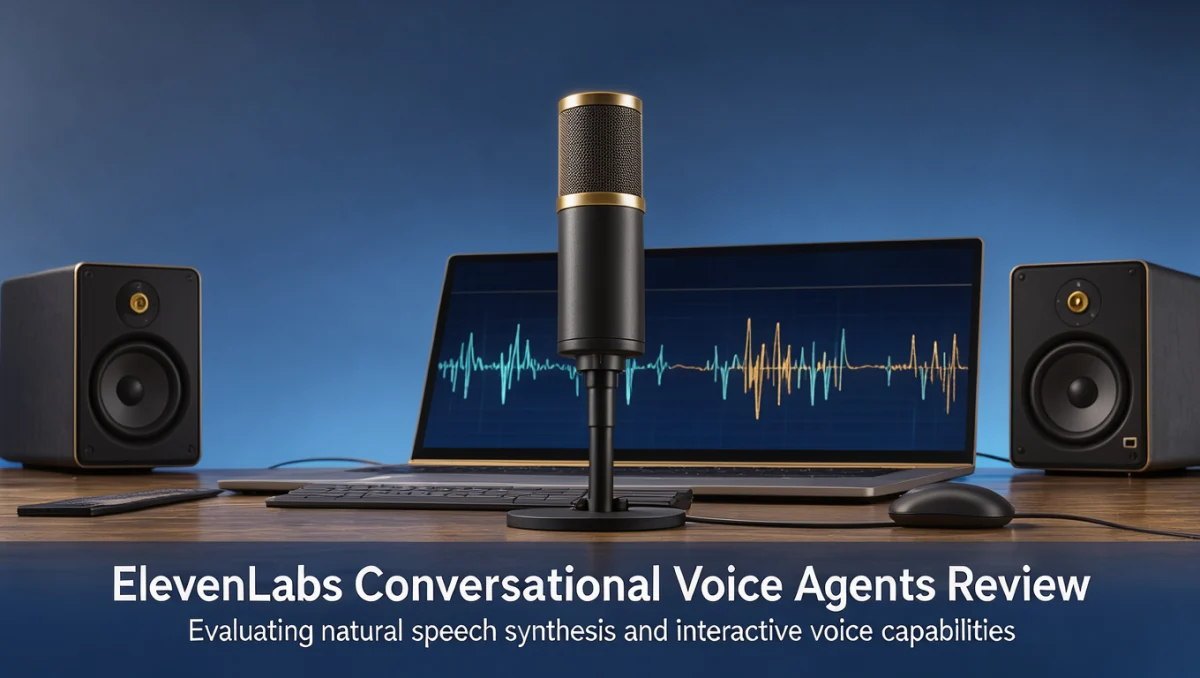
Conversational voice systems built on elevenlabs conversational voice agents let businesses hold live spoken exchanges by linking speech synthesis, response generation, and speech comprehension in one workflow. Companies turn to this technology to answer phone calls, field customer questions, and carry context across a conversation without a human agent handling every session. At Tested Truth, we look beyond polished voice demos and examine workflow details, operational stability, and the obstacles teams meet once a system goes live.
Interactive voice tools have moved well past static, prerecorded phone menus into adaptive dialogue across today's Artificial Intelligence applications. Choosing a conversational voice platform means weighing response timing, how well dialogue logic holds up over time, and total running costs as contact volume climbs.
Quick verdict: With a testedtruth score of 7.9/10, this platform suits teams that prioritize natural-sounding speech and interactive dialogue flows. It is a weaker fit for operations that require offline processing, or for buyers who cannot confirm usage-based charges on the official website before launch.
| Metric | Details |
|---|---|
| testedtruth score | 7.9/10 |
| Best for | Teams that value natural synthetic speech in interactive conversations |
| Not ideal for | Operations requiring on-premise deployment or teams seeking predictable flat-rate monthly costs |
| Key strengths | Natural voice generation and configurable conversational turns |
| What to check before buying | Official billing metrics, latency expectations, and workspace user limits |
1. How Tested Truth Reviewed ElevenLabs Conversational Voice Agents
This review covers what the platform is built to do, who it serves, and how it stacks up against similar tools. We applied seven testedtruth criteria: features, ease of use, pricing and value, integrations, audience fit, support, and competitive position. Plans, prices, and limits change frequently, so we flag what to verify on the official website before committing. This article was researched and drafted with AI assistance, then reviewed and edited by the Tested Truth Editorial Team.
2. What Is ElevenLabs Conversational Voice Agents and Who Is It For
The platform is software designed to hold spoken, two-way conversations with people. It takes in inbound voice, works out what the user wants, drafts a contextual reply, and speaks that reply using synthetic speech. Standard text-to-speech tools output static audio clips, whereas conversational voice software acts as an active participant in a live exchange.
The product extends synthetic speech into phone systems, support desks, and programmatic voice interfaces. It appeals to organizations that want automated phone representatives, dynamic voice assistants, or interactive training simulators. Companies replacing rigid phone trees with flowing spoken dialogue aim to handle routine questions while keeping a natural vocal rhythm.
Buyers should understand that conversational voice carries more operational complexity than simple audio generation. Beyond vocal clarity, these systems depend on steering prompts, handling interruptions, and managing latency across varying network conditions.
3. Core Features of ElevenLabs Conversational Voice Agents
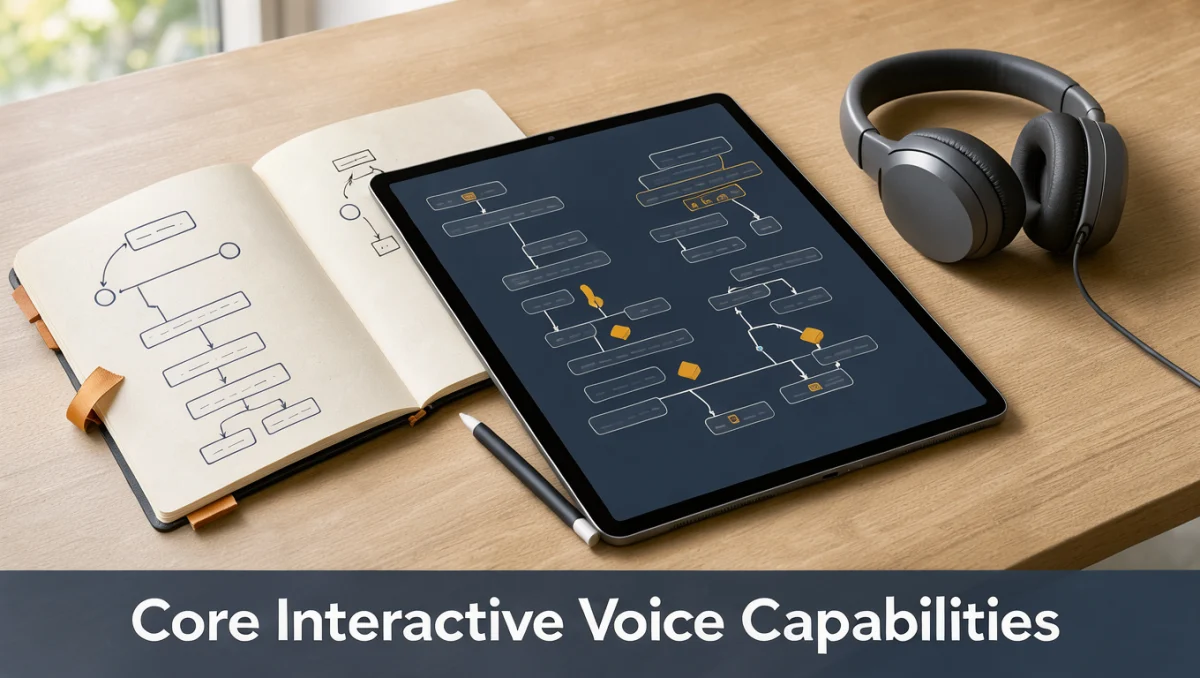
Conversational voice systems rely on several foundational capabilities to complete spontaneous spoken exchanges. Reviewing these areas helps teams decide what to test before committing resources.
Spoken Dialogue Handling and Response Turn-Taking
Live voice interaction needs responsive turn-taking between caller and agent. The dialogue system listens for pauses that signal a caller has finished speaking before it starts synthesizing a reply. It also manages interruptions, stopping its output when a user talks over it.
Teams should judge whether pacing feels natural during complex exchanges. Conversational platforms often pause briefly while transcribing input, generating a response, and synthesizing speech, so latency testing should be a primary part of any evaluation.
Voice Customization and Persona Configuration
Configuring a voice agent means defining the tone, stability, and character of its persona. Administrators choose synthetic vocal styles that fit their brand, from formal support tones to casual conversational styles. This keeps the voice consistent across repeated caller interactions.
Persona maintenance also involves writing system instructions that guide behavior. Buyers must decide how the agent introduces itself, how it clarifies unclear questions, and when it hands a conversation to a human.
Knowledge Grounding and Conversational Context
An agent needs accurate reference material to give useful answers. A knowledge framework lets teams anchor the persona in company policies, product details, or troubleshooting procedures, which reduces the risk of the agent inventing incorrect statements during calls.
Conversation designers should confirm how reference documents are ingested and maintained on the official platform. Keeping knowledge current ensures caller guidance stays accurate as policies change.
4. Ease of Use and Learning Curve
Setting up conversational agents means balancing simple interface controls against demanding dialogue engineering. A basic spoken flow can go live quickly using default configurations and standard system prompts. Administrators can pick a voice style, write a basic prompt, and test dialogues directly in the configuration console.
The learning curve steepens once teams refine behavior for edge cases. Writing prompts that avoid repetitive loops, handling background noise, and configuring handoffs all require systematic testing. Voice designers need time to learn how phrasing affects conversational timing and comprehension.
Non-technical staff can manage voice selection and update reference text without writing code. Running voice pipelines across complex call routing, however, usually calls for technical staff who understand conversational architecture.
5. Pros and Cons of ElevenLabs Conversational Voice Agents
Evaluating conversational tools means weighing vocal realism against the constraints common to synthetic voice systems.
Advantages of the Platform
- Produces natural vocal rhythm and expressive speech during interactive turns.
- Offers configurable agent personas that match varied corporate communication styles.
- Automates turn-taking, including detection of caller interruptions.
- Supports knowledge grounding to keep answers factually consistent across repetitive support calls.
Operational Considerations and Disadvantages
- Response latency can fluctuate with network stability and the complexity of response generation.
- Keeping dialogue boundaries intact requires continuous prompt refinement and testing.
- Usage-based pricing can make monthly voice budgets hard to forecast without strict caps.
Teams can reduce latency risk by keeping knowledge entries concise and testing telephony response paths under varying network conditions.
6. ElevenLabs Conversational Voice Agents vs Similar Tools
The conversational voice market includes several prominent alternatives, each targeting different enterprise priorities. Comparing general positioning helps buyers find the right fit for their technical stack.
| Platform | Primary Positioning | Key Advantage | Buyer Consideration |
|---|---|---|---|
| ElevenLabs | Synthetic voice realism and expressive interactive voice agents | Lifelike conversational speech synthesis | Confirm usage rates and turn latency on the official site |
| Amazon Lex | Integrated cloud contact center and enterprise voice infrastructure | Integration with broader cloud computing suites | Voice naturalness depends on connected speech synthesis components |
| Google Cloud Dialogflow | Enterprise natural language understanding and multi-channel bots | Established dialogue modeling and intent mapping | Complex setup curve for teams focused solely on voice quality |
Amazon Lex suits enterprises already committed to large cloud ecosystems that want integrated call center routing. Google Cloud Dialogflow serves organizations that need complex multi-turn intent structures across text and voice channels. ElevenLabs targets organizations that put the highest priority on expressive vocal quality and human-like cadence.
7. Who Should Use ElevenLabs Conversational Voice Agents
Different business roles get different value from conversational voice software. Identifying your operating model helps determine whether this platform fits your needs.
Customer Support Teams
Support departments handling high volumes of recurring inquiries can use voice agents to resolve standard questions. Routine requests about hours, account verification, or basic troubleshooting can run through automated dialogue, freeing human representatives for sensitive escalations.
Small Business Owners and Service Operators
Small service businesses that miss calls during peak hours can deploy voice agents as automated dispatchers. The agent answers incoming calls, captures caller intent, collects scheduling preferences, and logs details for follow-up. Owners should review official pricing to confirm automated call handling remains cost-effective compared with standard voicemail.
Marketing and Interactive Media Teams
Creative agencies and marketing teams can build voice personas for interactive campaigns or dynamic brand experiences. The realistic synthetic tone lets them craft engaging interactions without booking studio sessions for every script variation.
When to Consider Alternative Solutions
Organizations operating in secure offline environments, or in regions with unreliable internet, should avoid cloud-dependent conversational systems. Organizations that only need simple push-button phone menus without natural language dialogue can use traditional telephone routing at lower complexity.
8. How to Choose the Right Plan
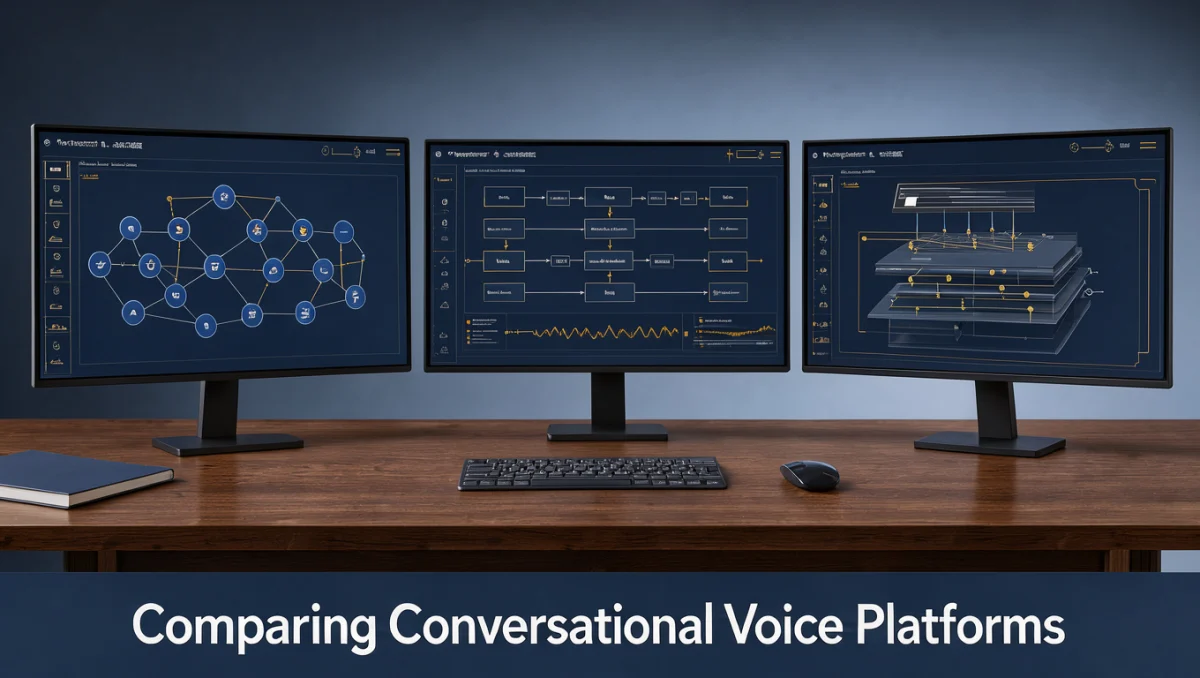
Voice software providers adjust subscription tiers, seat allowances, and processing limits over time. Prospective buyers should check current terms directly on the official ElevenLabs pricing page before signing any agreement.
| What to Check on the Official Pricing Page | Why It Matters |
|---|---|
| Voice computation units and minute allowances | Conversational dialogue consumes voice synthesis quickly, directly affecting monthly invoices. |
| Concurrent call and conversation session caps | Determines how many simultaneous customer calls the platform handles before queuing or dropping connections. |
| Team seat allocations and administrative permissions | Affects how many voice designers and developers can collaborate in the management workspace. |
| Custom voice generation limits | Influences your ability to deploy distinct branded voice personas across multiple product lines. |
| Overage charges and billing alert thresholds | Prevents unexpected budget spikes during unplanned call volume surges. |
Set internal traffic projections before comparing vendor tiers. Estimating daily call volume and average session length helps you choose a tier that avoids costly overage fees.
9. Frequently Asked Questions
How should teams prepare knowledge documentation for conversational voice agents?
Knowledge documents should contain concise, factual questions and answers written in clear, conversational language. Voice agents handle short reference passages far better than long, dense manuals. Teams should review and test reference material regularly so the agent gives current instructions during live calls.
What factors influence voice agent response speed during phone calls?
Response timing depends on network transit speed, speech-to-text processing, text generation time, and voice synthesis rendering. A delay at any step creates a visible pause before the agent replies. Keeping system prompts concise and testing connections across the target telephone networks helps minimize hesitation.
What should organizations budget for besides base software subscriptions?
Budget for telephone connectivity, call routing services, system integration work, and ongoing prompt maintenance. Usage spikes can also generate synthesis overages beyond monthly allowances. Accounting for these operational costs prevents overruns when deployment expands.
How do administrators decide when a caller should transfer to a human staff member?
Administrators define escalation rules based on caller sentiment, repeated confusion, or specific sensitive intents. If a caller shows frustration or asks for a person, the agent should acknowledge the transfer request immediately. Documenting clear handoff rules keeps customer trust intact when automated resolution fails.
10. Final Verdict
ElevenLabs conversational voice agents offer an advanced approach to interactive voice design, with a strong emphasis on vocal realism and expressive delivery. The technology moves well beyond mechanical legacy phone menus, but organizations must manage dialogue logic carefully and confirm usage pricing on the official site before scaling production call operations.
| Criterion | Score /10 | Reason |
|---|---|---|
| Features | 8.8 | Delivers lifelike speech synthesis with responsive turn-taking and interruption detection. |
| Ease of Use | 8.0 | Straightforward setup for basic dialogues, with a steeper curve for intricate prompt engineering. |
| Pricing and Value | 7.2 | Review current usage allowances on the official website to confirm cost sustainability against projected call volumes. |
| Integrations | 7.4 | Check official developer documentation to confirm alignment with your telephony and CRM systems. |
| Audience Fit | 8.4 | Strong match for organizations that need natural voice personas across automated customer interactions. |
| Support | 7.0 | Examine documentation, community channels, and official support levels before a mission-critical rollout. |
| Competitive Position | 8.2 | Maintains an expressive synthesis advantage while competing with large cloud infrastructure platforms. |
Overall testedtruth Score: 7.9/10
Teams seeking natural, lifelike voice automation will find real value here. Confirm your expected call concurrency, review official tier structures, and run real-world latency tests before making a purchase decision.
Have questions about choosing conversational voice tools for your business? Send them to the Tested Truth team through our contact page or follow Tested Truth on LinkedIn for our latest software analyses.