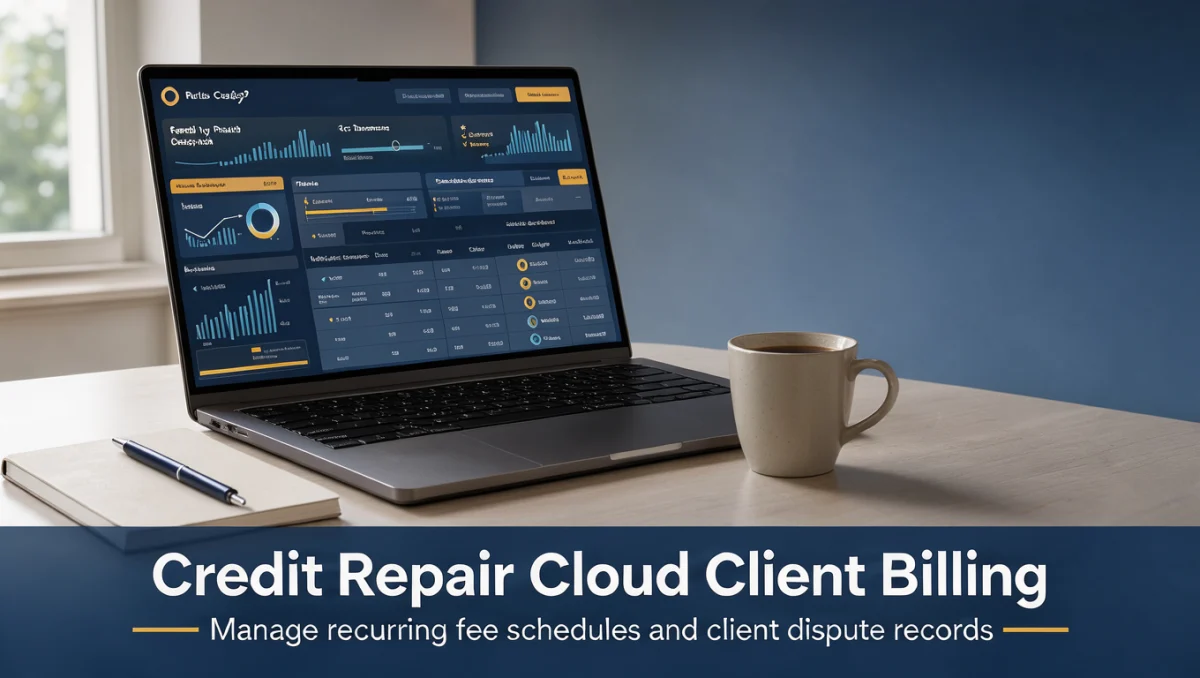
Running a credit repair practice means keeping track of who has paid, what is still owed, and how each retainer lines up with the dispute work actually completed. Credit Repair Cloud brings client accounts, invoice records and dispute progress into one workspace, which can reduce the manual juggling that slows small consulting teams down. Before you rely on it for credit repair cloud client billing, it helps to understand where the platform fits and where it does not.
Tested Truth evaluates business software from the viewpoint of small operators who need dependable administrative systems. The sections below explain how the billing side of the platform works, who gets the most value from it, and what to verify on the vendor site before purchasing.
Quick verdict: Credit Repair Cloud earns a Tested Truth score of 7.8/10. It suits credit repair specialists who want client tracking and dispute records tied to recurring invoice tracking. It is a weaker fit for businesses that need multi-currency billing or a full double-entry general ledger.
| Metric | Details |
|---|---|
| Tested Truth score | 7.8/10 |
| Best for | Credit repair practitioners who want client management linked to recurring fee tracking |
| Not ideal for | Organizations that need dedicated double-entry general ledger accounting software |
| Key strengths | Dedicated dispute workflows, centralized client status dashboards, recurring invoice tracking |
| What to check before buying | Confirm payment processor requirements, fee structures and merchant account rules on the vendor site |
1. How Tested Truth Reviewed Credit Repair Cloud
This review applies seven Tested Truth criteria: features, ease of use, pricing and value, integrations, audience fit, support and competitive position. Plans, prices and limits change frequently, so we flag the details you should confirm on the official website before buying. This article was researched and drafted with the help of AI tools, then reviewed and edited by the Tested Truth Editorial Team.
2. What Credit Repair Cloud Is and Who It Serves
Credit Repair Cloud is an administrative platform built for credit repair professionals, dispute specialists and consulting agencies. It combines client onboarding, dispute letter generation, credit report import tracking and client account oversight in a single interface. Instead of running a generic CRM next to separate document folders, practitioners keep client records, bureau correspondence history and account balances in one place.
The platform is most useful for solo practitioners launching a credit repair business, growing consulting firms and financial coaches who add credit restoration to their services. Tracking monthly subscription fees or pay-per-delete charges requires consistent habits, and linking dispute stages to client profiles gives providers a structured way to keep files current.
3. Core Features for Client Billing

Managing ongoing accounts in credit consulting requires methodical invoice schedules and clear client communication records. Three functional areas matter most here.
3.1 Client Account and Invoice Tracking
Knowing what each client owes across a multi-month restoration process is essential. The platform lets operators record transactions, generate itemized billing entries and attach fee schedules to individual client files. Clients who log into the portal can view dispute updates alongside their billing statements, which cuts down on payment misunderstandings.
3.2 Recurring Billing and Agreement Management
Many credit restoration agencies work on monthly membership models that need steady payment scheduling. The system supports logging recurring payment plans, tracking transaction histories and recording incoming payments against active client profiles. Because credit repair services must follow rules about when fees can be collected, keeping a clear audit trail of every invoice created and settled supports compliant records.
3.3 Client Portal and Payment Status Visibility
Clear account transparency supports better customer service. Through the portal, clients can review payment histories, outstanding balances and active dispute letters on their own. Payment statuses, receipt archives and service agreements are all visible there, which reduces routine balance inquiries to your staff and gives clients a professional touchpoint throughout their engagement.
4. Ease of Use and Learning Curve
Credit Repair Cloud uses a task-oriented interface that guides operators from onboarding a new client through generating dispute letters and logging fees. Users familiar with credit repair terminology will find the dashboard straightforward, since menus follow standard industry steps. Creating client records, uploading credit reports and setting up basic fee profiles follow a logical sequence.
The learning curve steepens when you set up third-party merchant accounts and recurring gateway links. Rules around consumer credit services often require specialized merchant configurations, so you will need to set up payment gateways outside the platform before collecting fees automatically. Plan to spend onboarding time mapping billing rules to your dispute processing stages.
5. Pros and Cons of Credit Repair Cloud
Weighing the practical advantages against the operational limits helps you decide whether the tool fits your team.
- Pro: Purpose-built workflows connect dispute letter tracking directly with individual client accounts.
- Pro: The client portal lets consumers follow dispute progress and view billing statements in one place.
- Pro: Standardized billing templates reduce the time needed to format professional statements.
- Con: Dedicated accounting features are limited, so comprehensive bookkeeping and tax reporting need separate software.
- Con: External merchant gateway requirements can involve separate setup and compliance checks outside the main platform.
- Con: Its focus on credit repair workflows makes it a poor match for multi-disciplinary consulting practices that need generic billing models.
6. Credit Repair Cloud vs. Similar Tools

Comparing Credit Repair Cloud with other platforms clarifies which architecture suits your firm. In the credit restoration niche, DisputeSuite offers an alternative built for agency operations, while generic billing platforms such as FreshBooks or QuickBooks Online handle general small business invoicing and bookkeeping.
| Software | Best for | Core focus | Key operational distinction |
|---|---|---|---|
| Credit Repair Cloud | Credit repair specialists | Dispute generation and client tracking | Direct alignment between credit dispute files and recurring client fee tracking |
| DisputeSuite | Enterprise credit agencies | High-volume dispute processing | Agency-oriented dispute workflows and enterprise administrative oversight |
| FreshBooks | General service businesses | Invoicing and time tracking | Broad small-business accounting without credit dispute letter tools |
| QuickBooks Online | Businesses needing formal ledgers | Complete financial bookkeeping | Double-entry accounting, tax reporting and balance sheet preparation |
Generic platforms like FreshBooks offer refined invoicing and bank feeds, but they lack credit report imports and bureau dispute tracking. Credit Repair Cloud addresses the niche directly, though many businesses pair it with general ledger software to track overhead, taxes and operating expenses.
7. Who Should Use Credit Repair Cloud
Different business structures call for different software. Here is how the platform fits common setups:
- Solo entrepreneurs: Practitioners starting a credit repair service get a structured framework for dispute generation and client fee tracking without building spreadsheets from scratch.
- Small credit repair agencies: Growing teams benefit from shared client dashboards, permission settings and centralized billing histories that keep staff aligned on client status.
- Financial coaches: Professionals who offer credit restoration alongside debt counseling can manage dispute files and client invoices in one organized system.
- Not ideal for general freelancers: Independent workers in marketing, design or standard consulting will find the bureau dispute tools irrelevant to their daily work.
- Not ideal for accounting departments: Financial controllers who need automated depreciation, corporate tax reporting and bank reconciliation will require traditional general ledger platforms.
8. How to Choose the Right Plan
Software vendors often adjust subscription tiers and terms, so compare your operational needs against the official plan comparison page before enrolling.
| What to check on the official site | Why it matters |
|---|---|
| Active client storage allowances | Confirm how active client records are counted so you avoid unexpected tier upgrades as your roster grows. |
| Team member seat allocations | Verify how many staff logins are included so assistants can manage billing without seat bottlenecks. |
| Merchant gateway connectivity options | Confirm which merchant service providers integrate directly for recurring card transactions. |
| Client portal access rules | Check whether portal access is included in all plans or tied to specific tier thresholds. |
| Data export capabilities | Make sure financial logs and client records can be exported cleanly for your external accountant. |
9. Frequently Asked Questions
How should a credit business structure recurring invoices?
Recurring invoices work best when agreement dates are clear and billing is tied to work completed. Credit repair rules generally require services to be rendered before compensation is collected, so schedules should align with monthly dispute progress rather than advance retainer billing. Have legal counsel confirm that your contract terms meet consumer protection requirements.
What should buyers evaluate when setting up client payment processing?
Look at merchant underwriting requirements, gateway processing costs and how payment disputes are handled. Financial institutions often treat credit repair as a specialized merchant category, which can mean working with a specialized processor. Confirm compatible gateways on the vendor website before launching marketing campaigns.
When should an agency consult a certified accountant about payment systems?
Consult a certified public accountant or professional bookkeeper whenever you connect recurring billing to company bank accounts. Client management platforms record invoices sent to customers, but they do not manage full profit-and-loss statements, payroll or business tax schedules. An accountant confirms that incoming payments reconcile accurately with your bank accounts.
Why do invoice audit trails matter for financial tracking?
Audit trails show when statements were generated, sent and settled. In credit consulting, precise dates and itemized service logs help resolve payment disputes and demonstrate that fees were charged in line with consumer contracts and legal guidelines.
What steps help prevent unexpected payment disputes?
Clear communication through a client portal prevents most billing surprises by showing clients the dispute activity completed in each cycle. Providing downloadable receipts, itemized statements and clear cancellation terms helps clients understand their investment and reduces chargeback risk.
10. Final Verdict on Credit Repair Cloud Client Billing
Credit Repair Cloud offers a dependable, niche-focused environment that links credit restoration case management with recurring client fee administration. By bringing dispute correspondence and billing records into one portal, it addresses the organizational problems consultants face when juggling separate CRM and document tools.
| Criterion | Score /10 | Reason |
|---|---|---|
| Features | 8.5/10 | Strong industry-specific dispute tools paired with client account and invoice tracking |
| Ease of Use | 7.7/10 | Structured dashboard, though third-party payment configuration takes setup time |
| Pricing and Value | 7.2/10 | Subscription costs must be weighed against third-party merchant fees and client volume |
| Integrations | 7.0/10 | Connects with key credit industry gateways but lacks broad generic accounting links |
| Audience Fit | 8.7/10 | Highly targeted for credit repair consultants and specialized restoration agencies |
| Support | 7.3/10 | Onboarding documentation and training libraries support core platform setup |
| Competitive Position | 8.1/10 | A widely recognized dedicated option in the credit repair software space |
Overall Tested Truth score: 7.8/10
For credit restoration professionals who want to formalize client intake and fee collection, Credit Repair Cloud provides a practical foundation. Before you buy, review the official Credit Repair Cloud pricing page to confirm current tier limits, user seats and merchant partner guidelines. Readers with software evaluation questions can reach out via testedtruth.com/contact/ or follow Tested Truth on LinkedIn at linkedin.com/company/testedtruth/ for ongoing software reviews.