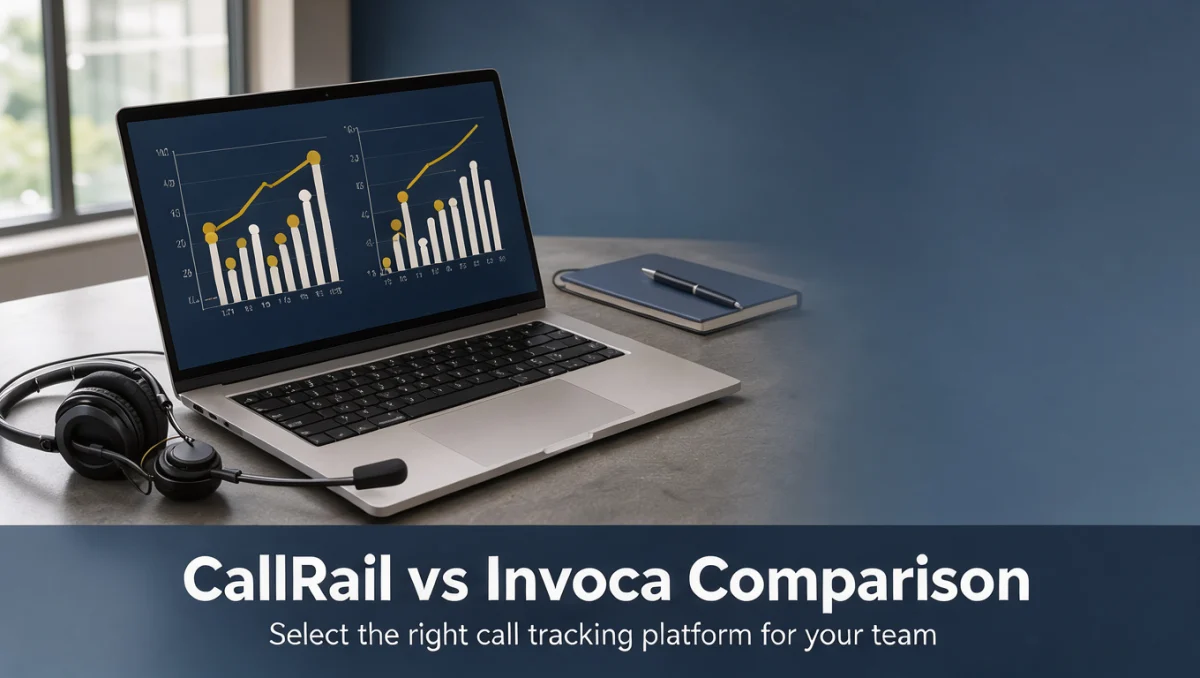
Phone calls are often the highest-intent conversions a business receives, so choosing the right call tracking platform matters. When weighing callrail vs invoca, marketing teams need to understand how each tool attributes inbound calls and what level of operational depth it supports. Both platforms connect phone leads to campaigns, but they are built for different organizational scales.
How the Two Platforms Differ at a Glance

CallRail is designed for growing businesses and digital agencies that want clear campaign attribution without heavy setup. Invoca targets large enterprises that need call analytics tied directly to contact center performance and routing. The gap between them comes down to how far attribution must reach beyond the marketing department.
CallRail helps marketers see which ads, keywords and landing pages generate phone and text leads. Invoca extends that visibility into the conversation itself, scoring agent performance and passing digital intent data to phone agents before a call connects.
Features and Functional Scope

CallRail provides dynamic number insertion, visitor-level tracking, keyword attribution, text messaging management and form tracking in one dashboard. Specialists can determine which campaigns produce inbound leads without deep engineering support.
Invoca adds speech analytics, conversational topic detection and digital intent routing. Its strength lies in analyzing what is said on the call and tailoring the conversation to the campaign that drove the inquiry.
Ease of Use and Setup
CallRail suits self-guided setup or quick team onboarding. Creating tracking numbers, installing dynamic number insertion scripts and building reports typically does not require a dedicated technical project team.
Invoca involves a more structured rollout because it often connects with enterprise telephony, contact center routing and CRM systems. Teams should plan for cross-departmental coordination between marketing and customer support.
Pricing and Value
Neither vendor offers fixed long-term pricing, since costs depend on tracking number pools, call minutes, transcription volume and data retention. CallRail uses subscription tiers tied to numbers, local minutes and optional add-ons. Invoca generally relies on custom enterprise contracts. Check the official CallRail and Invoca pricing pages for current allowances, overage rates and commitment terms.
Integrations
CallRail connects with standard ad platforms, web analytics tools and popular sales pipeline systems, so agencies can send conversion events back into campaign bidding. Invoca supports enterprise CRM systems, contact center software, customer data platforms and cloud data warehouses. Confirm endpoint compatibility with your stack in each vendor's documentation before committing.
Audience Fit
CallRail fits boutique agencies, legal practices, home services businesses and mid-sized firms that need clear reporting and multi-account management. Invoca fits multi-location enterprises, healthcare networks, financial institutions and dealer groups where a single phone call can represent a significant transaction.
Support and Implementation
CallRail offers standardized documentation, self-paced knowledge bases and direct customer assistance for routine setup questions. Invoca typically provides dedicated implementation managers, technical solutions engineers and ongoing customer success oversight. Verify support tiers and response commitments on each official website before signing.
Which Platform Should You Choose?
- Primary goal: If you need to prove return on ad spend and attribute calls to digital campaigns, CallRail covers that with minimal friction. If you need to analyze agent conversations and automate routing across large teams, Invoca is built for that depth.
- Technical resources: Consider whether you have developers or telephony administrators available, or whether marketing managers will configure the tool themselves.
- Call volume: Estimate monthly incoming minutes and number pool needs to model likely overage costs.
- Workflow connectors: Confirm that your CRM and ad channels integrate without custom middleware.
Frequently Asked Questions
Which platform suits marketing agencies better?
Agencies managing several client accounts often prefer CallRail because of its multi-account dashboard, accessible client reporting and quick setup for standard websites.
How does call volume affect the decision?
Operations handling very high call volumes across several regional centers typically need the routing and speech intelligence found in Invoca, while moderate volumes are usually well served by CallRail.
What extra costs should buyers plan for?
Budget for number rental fees, per-minute charges, transcription processing and any premium connectors beyond the base subscription.
Can both platforms track keyword-level conversions?
Yes. Both use dynamic number insertion to show unique tracking numbers to visitors based on their referral source, campaign or search keyword.
Final Verdict
CallRail delivers practical, accessible call attribution for growing companies and agencies that want to track leads without operational complexity. Invoca offers advanced conversational intelligence and routing for large enterprises that need attribution linked directly to high-volume contact centers. Your organizational scale, technical resources and goals should guide the choice.
See More Tested Truth