testedtruth may receive an affiliate commission if you purchase through our links, without added expense to you. This does not impact our independent scoring.
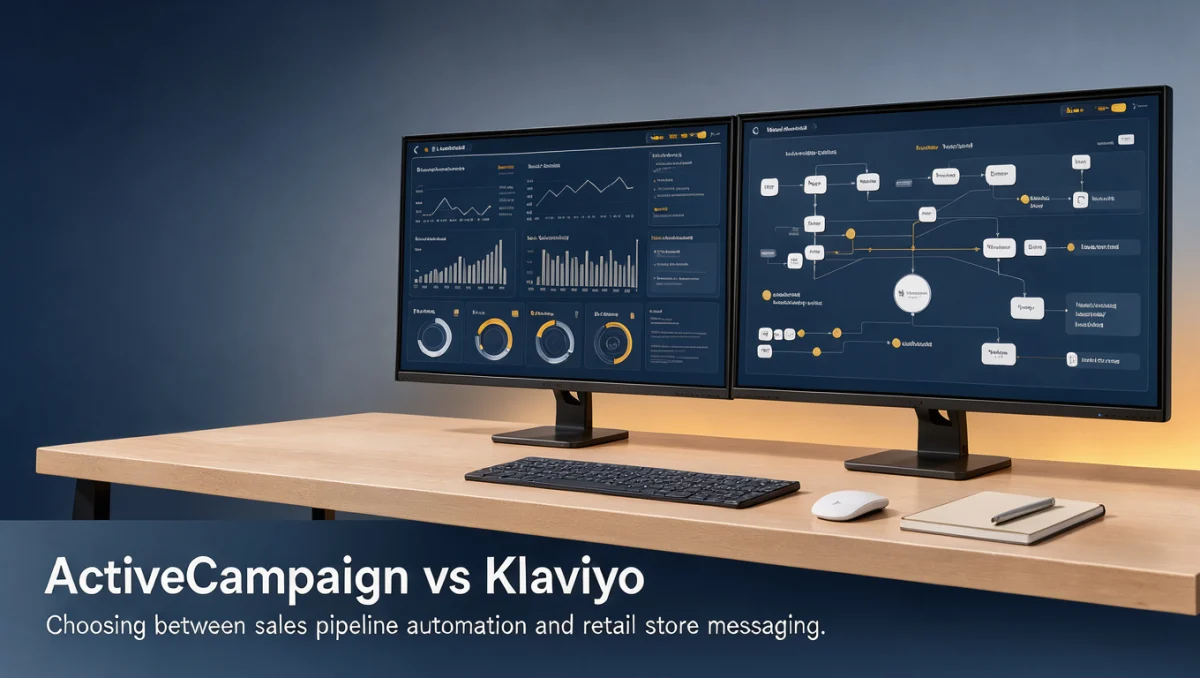
The matchup between activecampaign vs klaviyo pits a versatile workflow engine featuring built-in CRM capabilities against an event-triggered messaging hub built specifically for online retail. Selecting the ideal software depends on whether your organization grows through sales pipelines, scheduled meetings, and prospect scoring, or through catalog syncs and automated storefront triggers. At Tested Truth, our evaluations prioritize real-world operational fit over promotional claims.
Both systems stand out in modern Marketing environments, yet each answers to a different operational cadence. ActiveCampaign serves as a contact management and cross-channel automation system for diverse business setups. Klaviyo centers entirely on merchant transactional data and shopper behavior. Mapping these technological designs against your internal processes helps prevent painful software migrations later on.
Summary judgment: Scoring an overall 8.0 out of 10, this head-to-head comparison reflects two distinct operational needs. ActiveCampaign excels for agencies, educational platforms, and service firms managing deal pipelines. Klaviyo is the premier match for digital shop owners depending on automated messaging driven by customer cart activity. Simple newsletter senders without automated customer paths will find both platforms overly complex.
| Evaluation Factor | testedtruth Summary |
|---|---|
| testedtruth score | 8.0 / 10 |
| Best for | Teams balancing client relationship tracking alongside automated email sequences, or online retail merchants managing digital shopping carts. |
| Not ideal for | Solo creators who only send manual email newsletters without automated logic, segmentation workflows, or transaction data tracking. |
| Key strengths | Complex branched workflow automations, customer relationship tracking, store-level purchase event monitoring, and audience segmentation. |
| What to check before buying | Review list size tiers, sending thresholds, contract terms, and required add-on modules on each official vendor website before subscribing. |
Review Methodology and Assessment Criteria
Our analysis examines what these solutions deliver, their intended audiences, and their market standing using our standard seven benchmarks: feature depth, usability, pricing dynamics, native connections, ideal user fit, customer service, and market presence. Because plan tiers, prices, and limits update frequently, always verify current parameters on official provider portals prior to purchase. This comparative guide was drafted using AI research support and finalized by our editorial staff.
The Bottom Line: Core Differences
The primary contrast comes down to revenue structure: does your company convert customers via deal stages and qualification funnels, or through direct online transactions? ActiveCampaign delivers a dynamic automation builder uniting email sequences with deal management and manual task routing. This structure favors consultancy operations, subscription services, academies, and organizations driven by direct representative outreach.
Klaviyo focuses squarely on consumer storefront journeys. Its infrastructure ingests retail milestones like item views, cart additions, completed transactions, and returns. If your communication workflows rely on browsing signals and purchase logs, Klaviyo is your tool. If your conversion path involves demo bookings, client proposals, and deal milestones, ActiveCampaign fits better.
Market Positioning and Core Philosophy
Reviewing how each system defines its role ensures you avoid adopting tools that clash with your day-to-day needs. Automation systems process user signals, contact data, and staff tasks along completely divergent paths.
| Tool | Best for | Core strength | Consider if |
|---|---|---|---|
| ActiveCampaign | B2B services, education providers, agencies, and mixed-model businesses. | Multi-path automation builders linked to deal stages and lead scoring mechanics. | Your operational model involves proposals, consultative client calls, or sales pipelines. |
| Klaviyo | Direct-to-consumer ecommerce merchants and product catalogs. | Real-time store event synchronization and product-specific audience segmentation. | Your revenue relies on repeat retail checkouts and online consumer browsing activity. |
Businesses must determine if their buyer interactions are consultative or strictly transactional. Workflows requiring human touchpoints, such as proposal reviews or account management, benefit from dedicated pipeline tracking. Conversely, models relying on instant behavioral reactions after web store interactions gain faster traction from retail-centric solutions.
Core Capabilities and Functional Comparison
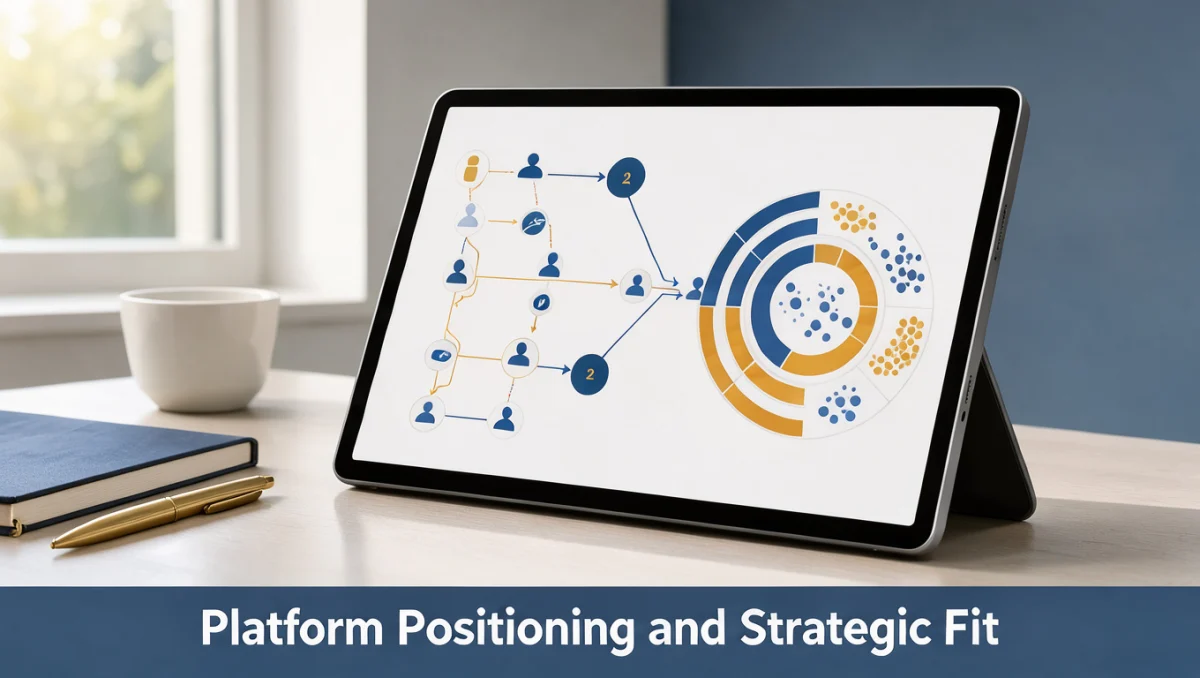
Understanding the functional reach of these platforms requires examining workflow creation, audience filtering, profile management, and template styling. Each tool handles these components with distinct priorities.
Automation Builders and Visual Logic
ActiveCampaign features a visual automation system driven by conditional branches, event triggers, delay intervals, and CRM actions. Marketers can construct multifaceted journeys that respond to link clicks, site views, tag additions, point thresholds, and deal status updates. This enables sales and marketing units to guide contacts through prolonged sales journeys based on behavioral cues.
Klaviyo configures its automations around pre-assembled retail playbooks. These flows respond to concrete commerce behaviors, including price drops on viewed goods, abandoned checkouts, and customer loyalty tiers. While users can split paths based on projected lifetime spending or order history, the logic aims to trigger repeat purchases rather than internal sales rep actions.
Audience Segmentation and Data Ingestion
ActiveCampaign filters audiences via custom fields, engagement metrics, behavioral tags, and web tracking signals. Contacts can be grouped by content engagement, firmographic attributes, and sales readiness. This suits B2B lead scoring frameworks where prospects earn values for viewing service pricing, downloading assets, or satisfying qualification rules.
Klaviyo provides dynamic segments that continuously update based on product engagement, ordering cadence, and shop activity. Rules can isolate users who bought from specific collections within set timeframes or viewed items without converting. This granular product data lets retail brands target buyers without manual list adjustments.
Contact Records and Pipeline Oversight
ActiveCampaign includes native contact timelines displaying correspondence history, internal notes, assigned reps, and pipeline boards. This architecture allows agencies and service providers to shepherd prospects from first contact to signed contract without maintaining a disconnected CRM platform.
Klaviyo shapes its user records around shopping metrics, expected purchase intervals, order records, and multi-channel communications. It lacks conventional B2B sales pipelines or deal boards, as retail consumer workflows rarely involve direct rep outreach or proposal negotiations.
Platform Usability and Everyday Workflow
The operational effort required depends on your team's workflow designs and data governance. Both systems require an initial learning phase, though in different functional areas.
Navigating the Workflow Canvas
Building automations in ActiveCampaign requires an understanding of how tags, lists, custom fields, and deal stages interact. With deep multi-path branching capabilities, admins must map out logic carefully to prevent contradictory paths or unending loops. Teams migrating from basic newsletter software will encounter a noticeable learning curve.
Klaviyo provides an onboarding experience centered on familiar retail use cases. Store owners can launch essential flows immediately using pre-built ecommerce templates. However, unlocking its full power involves understanding its data framework, passing store metadata into templates, and reading predictive analytics.
Template Design and Content Assembly
Both solutions offer intuitive drag-and-drop editors for responsive email layouts. ActiveCampaign enables flexible block configurations, dynamic recipient fields, and conditional visibility driven by demographic details or tags.
Klaviyo optimizes its visual builder around dynamic cart blocks, live catalog feeds, and smart product recommendation modules. Assembling templates feels seamless for ecommerce teams needing live catalog inventory and dynamic pricing without writing bespoke code.
Investment and Cost Structure
Pricing across marketing platforms varies with subscriber totals, dispatch volumes, and feature tiers. Prospective buyers must analyze overall fee structures rather than base starting rates.
Understanding Cost Drivers
Software providers generally set tier pricing according to total contact records, stored profiles, or outbound message allotments. When examining ActiveCampaign, verify on official plan pages how contact totals across multiple lists are counted, and check which plan level includes CRM pipeline functionality.
For Klaviyo, examine the official pricing calculator for combined SMS and email usage limits. Since billing reflects active profiles and send volumes, brands with strong seasonal peaks must budget for higher monthly expenses during holiday shopping surges.
Operational Overhead and Maintenance
Outside of regular subscription fees, businesses should account for template production, list hygiene, and technical connector upkeep. Bringing in an outside agency or setup consultant is often useful for architecting branched logic, sanitizing old subscriber records, and setting up webhook endpoints properly.
Integrations and Tech Stack Compatibility
Marketing hubs cannot operate in a vacuum; they must communicate with payment processors, digital storefronts, lead capture forms, scheduling tools, and data trackers.
Software Compatibility Assessment
ActiveCampaign integrates with a diverse array of business software, such as appointment calendars, LMS platforms, membership systems, form builders, and helpdesks. This flexibility benefits educational academies, consultancies, and digital agencies utilizing specialized technology stacks.
Klaviyo delivers robust integrations with major online storefronts, customer review networks, and retail POS software. Its ecosystem is optimized to parse inventory records, order checkouts, and fulfillment alerts. Teams without an online retail storefront will find little value in its specialized retail integrations.
Data Flow and Synchronization Requirements
Before selecting a tool, identify the core data points your team relies on each day. Check official platform documentation to confirm whether synchronization occurs instantaneously or in scheduled batches, and confirm if custom field integration requires developer input or middleware tools.
Selecting the Right Software for Your Model
Adopting an automation tool that mirrors your business model eliminates process bottlenecks and improves operational returns. Both platforms serve distinctly different use cases.
When ActiveCampaign Serves Your Business Model
ActiveCampaign fits organizations running integrated marketing and direct sales workflows. This system is the ideal fit if you:
- Conduct consultative sales requiring automated email follow-ups paired with rep calls and written proposals.
- Operate membership portals, digital courses, or client agencies where service fulfillment correlates with contact activity.
- Qualify incoming prospects via lead scoring before routing them to team members.
- Trigger onboarding flows based on client milestones, form completions, or booked calendar meetings.
When Klaviyo Serves Your Business Model
Klaviyo is crafted for digital consumer retail. It delivers the highest value if you:
- Operate a digital shop selling physical or digital goods backed by an online product catalog.
- Automate communications triggered by abandoned shopping carts, catalog views, and product restocks.
- Filter audiences by purchase frequency, average basket value, and lifetime customer spend.
- Deploy cohesive email and SMS initiatives tailored around seasonal promotions and product launches.
Support Resources and Documentation
Reliable support channels and thorough documentation are critical when designing intricate multi-step journeys or resolving delivery issues.
Support Resources and Documentation
Both providers offer training portals, comprehensive knowledge bases, and community user forums. When assessing plans, review official support pages to see which communication methods—such as ticketing, live chat, or phone support—are tied to specific tiers, alongside their availability hours.
Organizations with complex integration requirements or compliance standards should also review enterprise tier terms to check if designated account specialists or white-glove onboarding require custom agreements.
Market Standing and Alternative Options
ActiveCampaign and Klaviyo represent gold standards within their targeted domains. ActiveCampaign matches up against solutions like Brevo, HubSpot, and Keap for service-centric automation. Its primary advantage is providing visual automation journeys and sales tracking without requiring enterprise-level pricing.
Klaviyo competes against retail systems like Mailchimp, Omnisend, and Drip. Its standout advantage lies in purpose-built shopping cart data synchronization, giving merchants transaction-based triggers without custom coding. The selection rests on whether your primary revenue engine is a consultative relationship or an automated storefront checkout.
Framework for Choosing Between the Platforms
Selecting your software requires an objective review of current internal procedures, active software tools, and strategic milestones. Use the following steps to guide your choice.
Step 1: Audit Your Primary Conversion Event
Pinpoint how your customer conversion happens. If revenue is captured via a digital retail checkout flow, Klaviyo provides the exact event architecture required. If sales close through discovery calls, contracts, custom invoices, or demos, ActiveCampaign offers the relationship pipeline tools you need.
Step 2: Map Your Automation Complexity
Draft your desired automated customer paths. If the journey relies on conditional rules involving form completions, sales pipeline updates, and staff follow-ups, select ActiveCampaign. If the paths rely strictly on browse abandonment, checkout attempts, and product categories, Klaviyo handles the job efficiently.
Step 3: Calculate Your Multi-Channel Strategy
Clarify whether your strategy calls for integrated pipeline tracking or focuses solely on consumer channels like email and SMS. Check the official pricing calculators for both platforms to model your expected audience growth and ensure the subscription costs remain viable over the next twelve months.
Common Questions and Clarifications
What should I budget for besides the base subscription?
Teams should set aside funds for list cleaning tools, custom email templates, and connector middleware if web assets lack native integrations. Factoring in internal team hours or external agency setup support helps ensure campaigns continue running smoothly throughout onboarding.
How do I know if my business needs a sales pipeline tool?
A pipeline tool is necessary if closing clients involves personalized estimates, phone consultations, contract negotiations, or manual sales touches. If sales happen entirely through self-service digital checkouts, deal boards add unnecessary complexity, making retail messaging tools a more efficient choice.
Can I migrate contact lists and historical data between these platforms?
Core contact fields—such as names, phone numbers, email addresses, and custom tags—can be exported and imported between tools. However, dynamic automation states, historical journey metrics, and system-specific behavioral logs do not transfer, meaning workflows must be rebuilt directly in the new tool.
What factors influence message deliverability across both platforms?
Inbox rates rely on sender domain records, subscriber engagement, list hygiene, and message relevance. Pruning inactive subscribers routinely and configuring necessary DNS authentication records ensures strong inbox placement regardless of your chosen marketing software.
Final Assessment and Platform Scores

ActiveCampaign and Klaviyo are top-tier platforms tailored to contrasting commercial environments. ActiveCampaign shines when unifying automated communications with deal boards, internal task delegation, and lead qualification. Klaviyo provides unmatched utility for online retailers needing continuous catalog and shopping cart data syncs to drive recurring purchases.
| Criterion | Score / 10 | Reason |
|---|---|---|
| Features | 8.5 / 10 | Both platforms deliver rich workflow capabilities tailored precisely to their target business models. |
| Ease of Use | 8.0 / 10 | Interface navigation requires onboarding discipline due to complex branching rules and detailed segmentation options. |
| Pricing and Value | 7.5 / 10 | Costs scale progressively with contact and message volumes, requiring buyers to verify official tier thresholds carefully. |
| Integrations | 8.0 / 10 | ActiveCampaign connects broadly across business tech stacks, while Klaviyo provides specialized retail store connectivity. |
| Audience Fit | 8.5 / 10 | Each tool aligns closely with its intended audience, clearly separating B2B service workflows from B2C retail models. |
| Support | 7.5 / 10 | Educational documentation is thorough, while direct communication channels depend on the selected tier level. |
| Competitive Position | 8.0 / 10 | Each platform holds a reputable standing within its respective sector of sales automation or retail communication. |
| Overall score | 8.0 / 10 | Calculated average reflecting specialized design, functional depth, and clear operational utility across both tools. |
Choose ActiveCampaign if you operate an agency, consultancy, or membership platform requiring sales pipeline management. Opt for Klaviyo if you manage an online shop and want to maximize cart conversions and repeat transactions through real-time store events. Review your functional needs and verify current subscription rates on official vendor websites before committing.
Need personalized guidance on finding the perfect marketing tool for your stack? Reach out to our team through our contact page or connect with our editorial staff on social media.