Affiliate disclosure: We may receive compensation via links on this site without extra fees incurred by you. Our independent evaluations remain completely unbiased.
Finding the right balance between complex communication workflows and centralized pipeline oversight often comes down to one matchup: activecampaign vs hubspot. Deciding which system fits your operational reality depends heavily on your team's core routine: do you need intricate trigger-based subscriber sequences, or a unified ecosystem linking marketing, sales pipelines, and customer support desks? At Tested Truth, our side-by-side evaluations explore how both tools cater to distinct business setups.
Assessing in-house technical acumen alongside strategic departmental targets reveals the true return on investment. While targeted email operators focus on segmentation power, enterprise setups frequently require universal visibility across client lifecycles.
Executive Summary: Evaluating these two tools results in a composite score of 8.0/10. ActiveCampaign stands out for granular, trigger-based subscriber paths, whereas HubSpot provides a centralized customer management engine connecting broad business units. Neither solution serves teams searching merely for basic, static newsletter blasts without tracking.
| Evaluation Point | Summary |
|---|---|
| testedtruth score | 8.0 / 10 |
| Target User | Companies balancing advanced automated messaging with systematic pipeline workflows |
| Poor Fit For | Individual marketers seeking basic batch emails devoid of behavioral tracking |
| Standout Capabilities | Drag-and-drop journey designers, event monitoring, sales pipelines, and subscriber segmentation |
| Essential Pre-purchase Check | Review official vendor tiers for contact count pricing brackets, user seat rules, and setup fees |
Review Methodology and Benchmarks
Our comparative analysis evaluates both systems across primary functional categories: capabilities, everyday usability, software investment value, ecosystem connectivity, user suitability, customer assistance, and market standing. Because feature allowances and subscription pricing frequently shift, prospective users should confirm up-to-date specifications directly via vendor portals. This breakdown was compiled using automated research tools and subsequently refined by our editorial specialists.
Core Architectural Differences
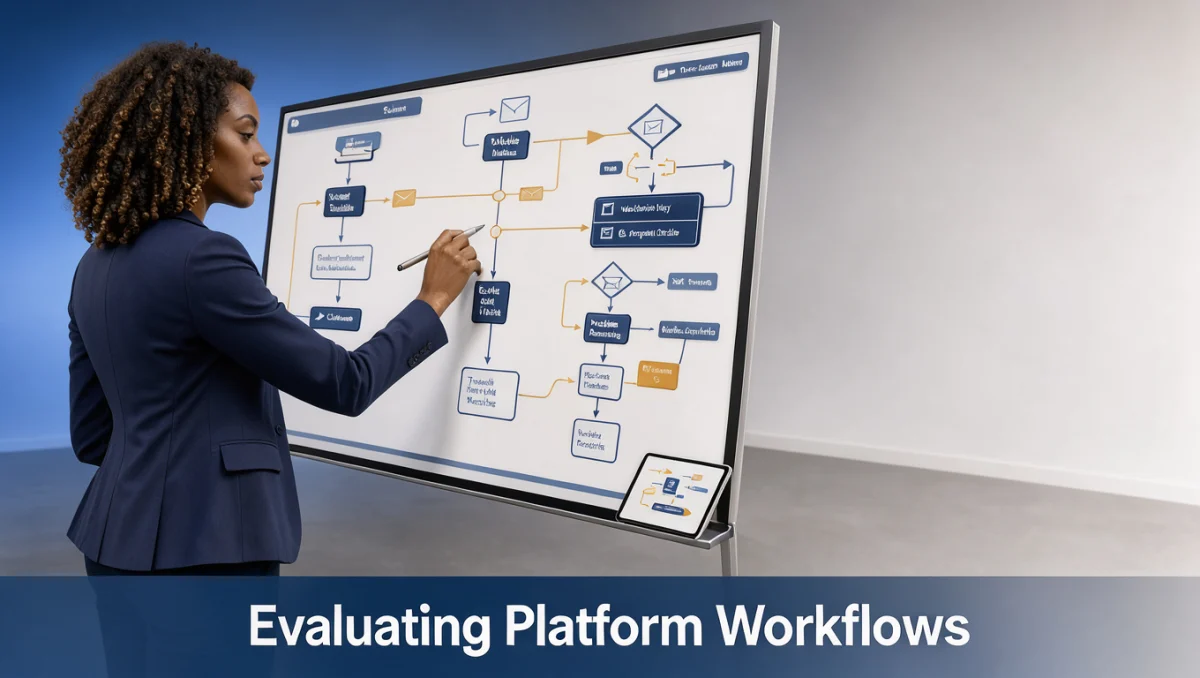
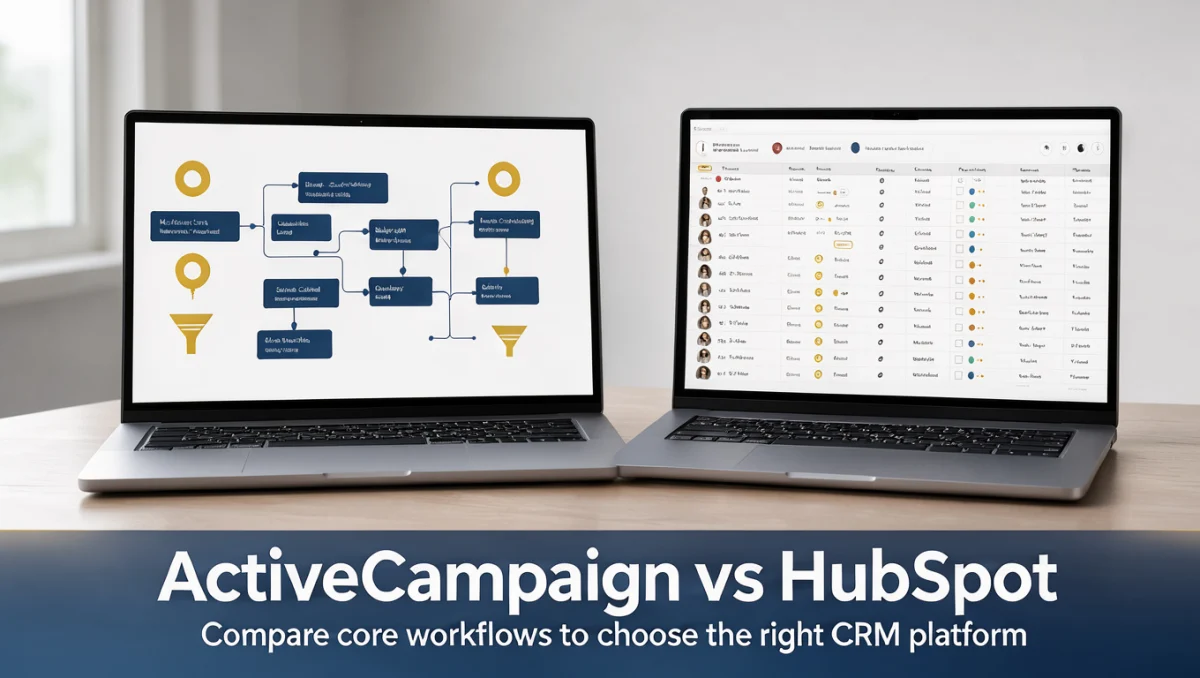
ActiveCampaign approaches digital operations from an automation-first perspective. The environment revolves around multi-path logic, customer tags, and event-based triggers that automatically steer prospect communication based on precise digital behavior.
Conversely, HubSpot structures its software around an expansive customer management repository. Its design connects lead generation assets, deal monitoring stages, help desk ticketing, and content resources inside a unified administrative environment.
When researching solutions across the broader Marketing landscape, auditing internal workflows is essential. ActiveCampaign delivers the necessary precision if your primary focus involves conditional messaging funnels. However, if your operational hurdle is unifying distinct commercial teams under a single database, HubSpot directly addresses that multi-role dynamic.
Platform Positioning at a Glance
While each platform accelerates commercial growth, their product architectures serve different operational philosophies. The breakdown below contrasts their strategic focus areas.
| Software | Ideal For | Primary Advantage | Strategic Use Case |
|---|---|---|---|
| ActiveCampaign | Teams requiring multi-branch email automations and interaction triggers | Visual logic canvas and granular audience filtering | Firms running high-touch automated subscriber nurture funnels |
| HubSpot | Businesses prioritizing centralized records across sales, service, and outreach | Unified contact timeline linking initial lead capture to closing deals | Teams seeking shared operational visibility across multiple departments |
Detailed Criteria Evaluation
Core Features and Automation Logic
ActiveCampaign delivers an intricate canvas for constructing multi-branch automation paths. Administrators can build detailed sequences triggered by website activity, email engagement, and custom field values. Its built-in pipeline tracker integrates directly with these logic rules, advancing leads through sales stages automatically.
HubSpot aggregates web forms, outbound campaigns, sales pipelines, and support requests into a unified chronological contact stream. This centralized feed gives every team member visibility into previous page sessions, form responses, and rep communications across the customer journey.
Before subscribing, organizations should determine whether visual journey builders or complete customer relationship records drive their daily priorities.
Everyday Usability and Navigation
Operating ActiveCampaign requires learning how tags, custom data fields, and automation rules interact. Individuals experienced with logical branching adapt quickly, though beginners may feel overwhelmed by the depth of customization during initial setup.
HubSpot prioritizes clean consistency across its distinct software hubs. From deal views to reporting widgets, users encounter a standardized interface layout that accelerates daily adoption for general team members handling multiple organizational roles.
Functional breadth inevitably impacts software learning curves. Organizations should carefully weigh their team's technical comfort when comparing interfaces.
Pricing Structure and Long-Term Value
SaaS automation costs scale according to database size, user licenses, or specific feature tiers. Ongoing software spend inevitably adjusts as contact volume expands and additional staff members require system access.
ActiveCampaign scales primarily by the volume of active contacts and automation feature availability. Prospective buyers must inspect the official ActiveCampaign pricing charts to forecast future expenditure as list sizes multiply.
HubSpot utilizes modular operational hubs with distinct package tiers and individual user license requirements. It is essential to review the official HubSpot pricing directory to identify mandatory onboarding fees or seat minimums for selected packages.
Ecosystem and Third-Party Integrations
Effective operational platforms must connect seamlessly with external billing systems, landing page tools, shopping carts, and virtual event platforms. Both options supply extensive integration directories facilitating reliable external data exchange.
ActiveCampaign relies heavily on two-way data syncing to ingest user purchase events and trigger follow-up sequences. Review official integration documentation to verify if third-party middleware is required for specific tools.
HubSpot serves as a centralized operational hub, aggregating external application metrics into unified contact logs. Users should verify through official guides whether particular data connectors require premium subscription plans.
Target Audience and Organization Fit
ActiveCampaign appeals directly to online retailers, creators, and specialized marketing teams that demand granular messaging control without enterprise complexity. It excels where behavior-driven email nurture paths directly fuel revenue generation.
HubSpot targets expanding B2B companies and cross-functional teams needing shared visibility among marketing specialists, business development reps, and support technicians inside one platform.
Deciding between them comes down to identifying whether your primary operational unit is an isolated messaging campaign or a coordinated multi-team department.
Customer Support and Service Channels
Dependable technical support protects business continuity during system rollouts and complex campaign setups. Service availability in the software industry typically corresponds to tier levels, spanning community boards to real-time chat or telephone assistance.
ActiveCampaign provides channel specifics within its support portal. Prospective users should consult the official ActiveCampaign website to check whether real-time chat or dedicated consultations are included in their intended plan.
HubSpot links its customer support channels to specific software tiers, backed by robust learning modules and public forums. Buyers should verify on the official HubSpot portal which direct communication channels match their planned subscription.
Market Standing and Industry Presence
ActiveCampaign commands a reputable position among specialized automation systems, standing toe-to-toe with alternatives prioritizing complex subscriber journeys. Its standing is built on empowering administrators with detailed control over conditional workflows.
HubSpot maintains significant market leadership within the comprehensive inbound CRM market, competing directly with enterprise business platforms. Its reputation rests on delivering an organized, holistic view of the full customer lifecycle.
Both systems represent mature, widely trusted platforms that provide organizational dependability over the long term.
Framework for Choosing the Right System
Selecting the optimal solution requires balancing internal technical proficiency, strategic communication requirements, and realistic software budgets.
Clarify Your Primary Operational Focus
Identify whether your company requires deep subscriber logic or shared cross-departmental records. If automated email journeys with precise behavioral triggers form the backbone of your strategy, ActiveCampaign fulfills that brief. If your primary bottleneck is team misalignment across marketing, sales pipelines, and customer support, HubSpot addresses that operational friction.
Prepare for System Migration and Onboarding
Migrating to an unfamiliar database requires moving contact records, auditing tag structures, and rebuilding automation pathways. Many tools require careful administrative prep before going live.
- Audit contact tags, custom fields, and email designs prior to starting the transition.
- Assign internal team ownership for workflow logic configuration and connector setup.
- Confirm whether historical contact timelines and engagement logs need to be retained.
Calculate True Software Ownership Costs
Software budgets often extend well beyond starting list prices. Prospective buyers should confirm potential variable expenses directly with vendors before signing contracts.
- Review seat licensing fees for full administrative versus read-only user access.
- Check contact list tier thresholds to avoid unexpected renewal price jumps.
- Identify whether mandatory onboarding programs or specialized setups apply to your plan.
Frequently Asked Questions
Should our team choose specialized automation software or an all-in-one CRM?
Assess whether your operational hurdle stems from messaging complexity or inter-team data silos. If staff primarily design multi-branch email pathways, specialized automation tools offer greater control. If business development reps and customer support staff require visibility into customer timelines, a unified CRM creates better organizational transparency.
What variables lead to escalating software subscription fees?
Software bills usually expand as customer databases grow or additional team members require dedicated seats. Providers frequently institute higher pricing bands for contact volume or gate advanced logic rules behind premium plans. Checking your expected contact database trajectory against official pricing pages ensures predictable budgeting over time.
What practices support a clean database migration?
Teams should purge unresponsive contacts and consolidate conflicting tags before exporting files. Ensuring custom data properties map properly between platforms prevents data discrepancies during import. Running test segments through newly constructed automation funnels helps verify that triggers fire correctly before launch.
When does hiring an outside technical implementation expert make sense?
Companies running intricate sales pipelines, complex attribution reporting, or strict compliance frameworks gain value from certified specialists. External expertise helps establish reliable API data connections, configure robust permission structures, and prevent costly structural redesigns down the line.
Summary and Final Assessment

Both ActiveCampaign and HubSpot provide capable solutions for modern business operations, yet each tackles operational efficiency from a distinct angle. Your organizational structure determines the superior choice.
| Metric | Score (out of 10) | Assessment Context |
|---|---|---|
| Features | 8.5 | Advanced journey builders balanced with unified contact management pipelines |
| Ease of Use | 7.5 | Deep logic requires dedicated learning, while standardized interfaces ease adoption |
| Pricing and Value | 7.0 | Verify official pricing structures regarding database tiers and mandatory onboarding |
| Integrations | 8.0 | Extensive application ecosystems with tier-dependent connector permissions |
| Audience Fit | 9.0 | Clear distinction between automation-focused marketers and unified commercial teams |
| Support | 7.5 | Check official service listings for plan-dependent response times and assistance channels |
| Competitive Position | 8.5 | Established market presence within specialized messaging and all-in-one platforms |
Overall Score: 8.0 / 10
ActiveCampaign is our top recommendation for companies needing advanced, trigger-driven messaging funnels centered on subscriber actions. HubSpot is our top pick for growing organizations requiring a single source of truth across marketing, sales, and service departments.