testedtruth may earn a commission when you buy through links on this page, at no extra cost to you. This does not affect our ratings.
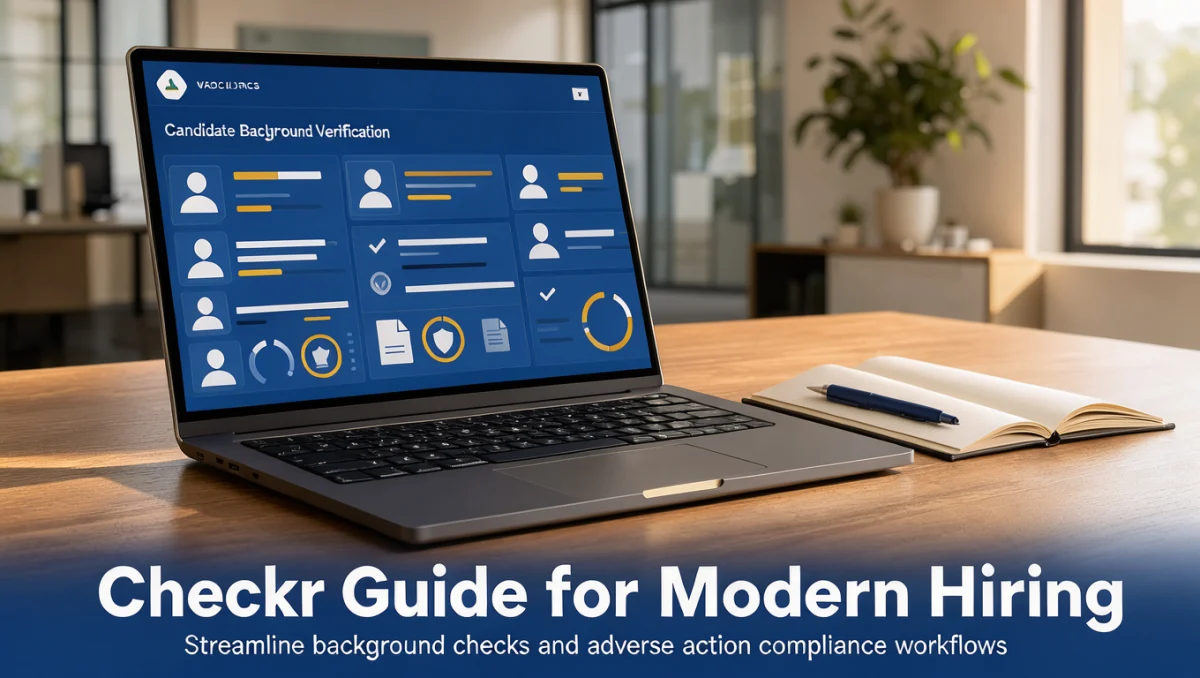
Hiring teams that rely on background verification need a dependable process before committing to any new hire. This checkr guide explains how screening platforms fit into daily recruiting, where legal disclosures matter, and how to keep candidate evaluations fair and consistent. Coverage comes from Tested Truth, which reviews background check software with a focus on practical, compliance-aware use.
Checkr is a background screening platform that lets employers order, track, and review candidate verification records across many industries. It brings criminal history searches, motor vehicle reports, and employment history checks into one place, so HR staff can review results and move onboarding forward with better visibility.
Quick verdict: with a testedtruth score of 7.9/10, Checkr suits companies that need standardized candidate vetting and clearly structured adverse action steps. It is less suited to teams that want a single all-in-one payroll and personnel suite without a dedicated screening tool.
| Evaluation Dimension | Summary Assessment |
|---|---|
| testedtruth score | 7.9/10 |
| Best for | Teams that want structured candidate background screening with guided adverse action workflows |
| Not ideal for | Organizations seeking an all-in-one payroll and personnel platform rather than a dedicated screening system |
| Key strengths | Automated background report status tracking, standardized adverse action compliance prompts, candidate portal transparency |
| What to check before buying | Confirm check package pricing, pass-through state court surcharges, and verification turnaround schedules on the official website |
1. How testedtruth Reviewed Checkr
This review examines what Checkr is built to do, who it serves, and how it compares with similar tools. We apply seven testedtruth criteria: features, ease of use, pricing and value, integrations, audience fit, support, and competitive position. Plans, prices, and limits change often, so we point out the details to confirm on the official website before purchase. This article was researched and drafted with AI assistance, then reviewed and edited by the testedtruth Editorial Team.
2. Before You Start Your Background Screening Setup
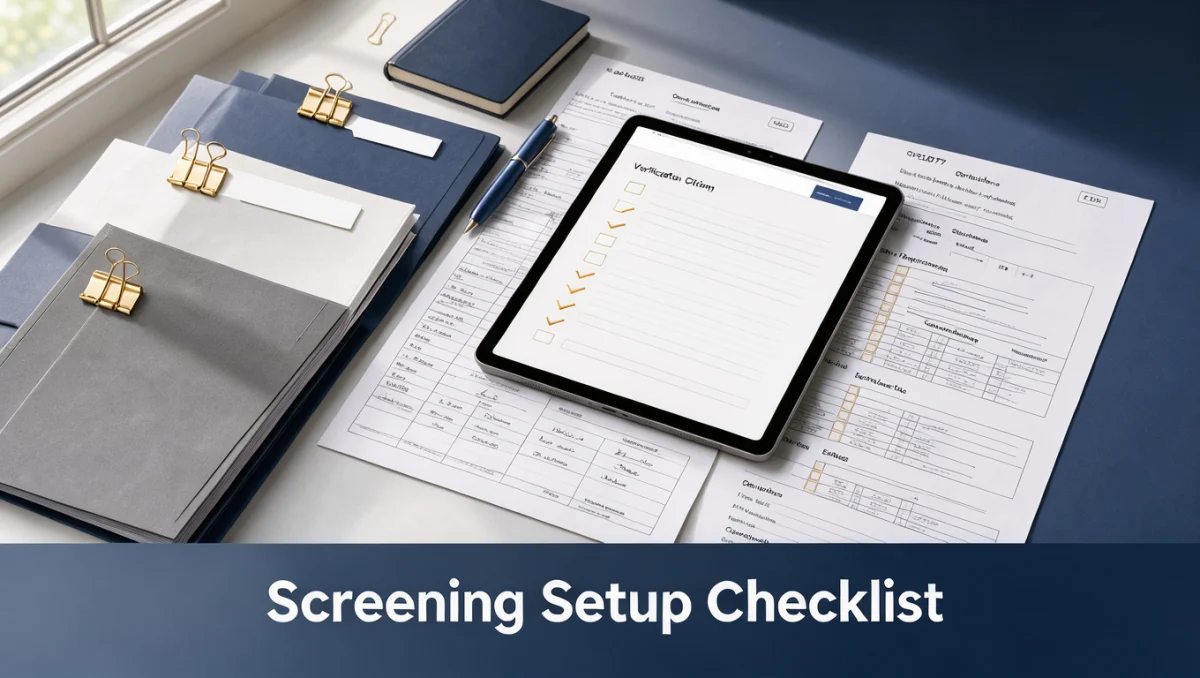
Before launching a background screening program, organizational leaders need to understand their obligations under fair credit reporting rules and local employment laws. Software vendors can automate status tracking, but legal responsibility for compliant hiring decisions always rests with the employer.
HR professionals should consult legal counsel when setting disqualification criteria so that hiring practices stay fair, consistent, and aligned with relevant nondiscrimination statutes. As Tested Truth notes, choosing the right screening setup means weighing both internal operational capacity and external regulatory duties.
Workforce verification also increasingly touches Artificial Intelligence and automated record filtering, so compliance officers should audit how records are categorized. Define clear rules for candidate consent, record disputes, and document retention before sending the first screening invitation.
| Operational Consideration | Why It Matters | Where to Confirm Details |
|---|---|---|
| Candidate Consent Collection | Federal and local laws require standalone written disclosure and explicit authorization before pulling background reports. | Internal legal counsel and candidate communication guidelines |
| Adjudication Guidelines | Standardized rules prevent unlawful bias and ensure consistent assessment of non-relevant records. | Company hiring policy and job descriptions |
| Turnaround Time Expectations | County courthouse access delays can slow hiring during peak recruiting cycles. | Official screening platform operational notices |
| Pass-Through Jurisdiction Fees | State repository and county search fees add unexpected variable costs to base package prices. | Official vendor invoice schedules and billing documentation |
3. Core Background Screening Workflow
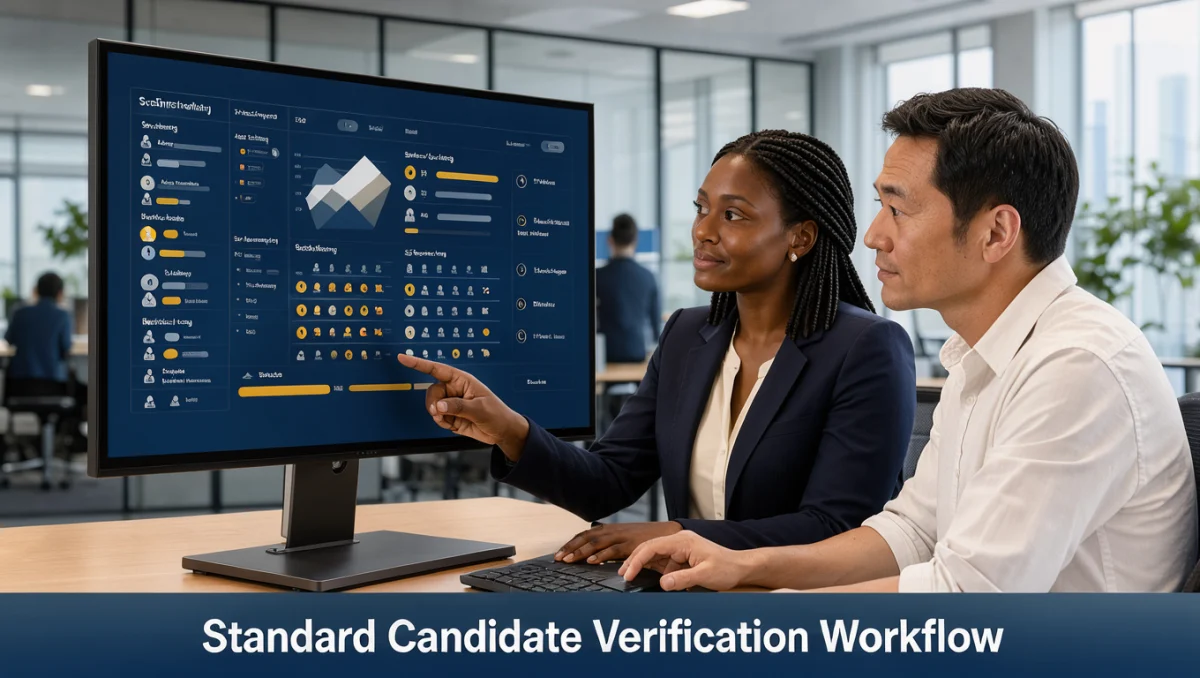
A standardized background screening system moves through distinct phases designed to balance employer risk management with candidate privacy. Following an organized procedure keeps turnaround consistent and reduces processing disputes.
- Candidate Data Collection and Disclosure: The hiring team sends a secure link to the prospective employee. The candidate enters identification details and gives digital authorization after reading the required regulatory disclosures.
- Automated Data Retrieval: The verification platform queries relevant county, state, and federal criminal databases, motor vehicle registries, or verification clearinghouses based on the selected package.
- Status Tracking and Exception Management: Recruiters monitor progress in an administrative dashboard. When courthouse backlogs arise, tracking tools flag pending records without stalling other verification steps.
- Result Review and Adjudication: Compliance teams evaluate returned records against predetermined company standards. Clear reports move straight to hiring, while potential discrepancies go through formal review.
- Adverse Action Administration: When a report contains disqualifying findings, employers follow a two-step adverse action process: send a pre-adverse notice with a copy of the report, allow time for the candidate to dispute, and issue a final notice if disqualification stands.
High-volume employers often set up tiered review workflows, where entry-level roles receive baseline criminal scans while specialized management positions also undergo credential and employment verification. Administrators can standardize these requests so branch managers do not order screening depth that is out of policy.
4. Best Practices for Compliant Screening
A fair background check program depends on standardized evaluation rubrics rather than subjective judgment. Screening platforms provide candidate notification tools, but hiring administrators must carry out each procedural step within statutory timelines.
Employers should adopt individual assessment policies that weigh the age of an infraction, the nature of the offense, and its direct bearing on job duties. Blanket exclusions based only on the existence of a record often create legal liability under equal opportunity rules.
- Separate Disclosure From Application Forms: Keep background disclosure language on a standalone document, completely separate from general employment applications and liability waivers.
- Honor Mandatory Dispute Windows: Give candidates adequate time between the pre-adverse action notice and the final adverse action to review findings and file accuracy disputes.
- Maintain Consistent Evaluation Criteria: Apply identical screening packages to all candidates applying for the same role to prevent disparate treatment claims.
- Audit Invoiced Pass-Through Surcharges: Review monthly billing statements to confirm that local court fees match candidate residence histories.
- Secure Sensitive Personnel Records: Limit background report access to designated HR and compliance personnel.
5. Common Screening Mistakes to Avoid
A frequent error among growing companies is ordering background checks before presenting a conditional offer of employment. In jurisdictions with ban-the-box regulations, requesting criminal history before initial interviews or conditional offers can violate the law.
Another common mistake is failing to provide the Consumer Financial Protection Bureau summary of rights with pre-adverse action correspondence. When a check uncovers disqualifying records, omitting mandatory statutory disclosures can invalidate the entire hiring decision.
Companies also make the error of treating screening vendors as legal advisors. Screening software coordinates record retrieval and document distribution, but employers remain fully responsible for deciding whether an infraction legitimately conflicts with job responsibilities. Always consult legal counsel or certified compliance specialists when defining policy exclusions.
6. Frequently Asked Questions
What should employers prepare before ordering candidate background checks?
Employers should establish written hiring policies, define clear role-based qualification standards, and prepare compliant candidate disclosure notices. Building these materials with legal counsel helps the company follow federal and local fair credit reporting guidelines from the start.
How do jurisdiction surcharges affect background screening expenses?
Many screening vendors charge a base software fee and pass county court and state repository search fees directly to the employer. These surcharges vary significantly by region, so total screening costs depend on where a candidate has lived or worked.
What is the difference between pre-adverse action and final adverse action?
Pre-adverse action tells a candidate that an unfavorable record was found and provides a copy of the report plus time to dispute inaccuracies. Final adverse action is issued only after the waiting period ends, if the employer ultimately decides not to extend an offer.
Why should companies separate background screening packages by role?
Tailoring packages prevents over-screening entry-level workers and ensures sensitive positions receive appropriate scrutiny. Executive or financial roles often warrant credential and record checks that would be unnecessary and overly restrictive for general operational roles.
7. Final Verdict on Checkr
Checkr offers a structured, modern framework for companies that want to standardize candidate vetting and adverse action workflows. Its clear candidate-facing authorization flows and administrative status trackers help organizations keep background check routines consistent as teams grow.
| Criterion | Score /10 | Reason |
|---|---|---|
| Features | 8.5/10 | Broad screening packages with structured status tracking and report review |
| Ease of Use | 8.2/10 | Candidate-facing authorization and administrator dashboards are straightforward |
| Pricing and Value | 7.2/10 | Base fees plus variable pass-through surcharges require careful budgeting |
| Integrations | 7.8/10 | Connects with common hiring workflows, though depth varies by system |
| Audience Fit | 8.4/10 | Strong for structured, higher-volume hiring teams |
| Support | 7.0/10 | Helpful guidance, with response times that can vary during peak periods |
| Competitive Position | 8.0/10 | Competitive among dedicated screening platforms |
testedtruth score: 7.9/10.
Organizations with high recruitment volume that prioritize dedicated screening workflows and guided dispute procedures will find Checkr well aligned with their needs. By contrast, solo operators or businesses seeking a combined payroll and HR package without a separate background screening subscription may prefer broader workforce management software.
For additional software selection advice or questions about candidate management workflows, reach out through Tested Truth contact page or follow testedtruth on LinkedIn at https://www.linkedin.com/company/testedtruth/.