testedtruth may earn a commission when you buy through links on this page, at no extra cost to you. This does not affect our ratings.
Picking a side in the campaigner email marketing vs aweber debate means looking beyond simple newsletter sending. The real question is how each tool handles subscriber logic, lifecycle messaging, and the day-to-day effort of keeping campaigns running smoothly.
Teams planning a broader outreach strategy can explore our Marketing coverage for benchmarks on deliverability and audience segmentation. Email remains a cornerstone of customer retention, and the wrong platform setup can quietly add friction to every campaign you launch.
Our verdict: scoring 7.8 out of 10 on the testedtruth scale, these two platforms target different operators. Campaigner fits organizations that need fine-grained segmentation, condition-driven automation, and tightly structured campaign flows. AWeber fits creators and solo founders who want clean newsletter broadcasts and simple list onboarding without building complex logic paths.
| Metric | Summary Details |
|---|---|
| testedtruth score | 7.8 / 10 |
| Best for | Growing teams that need advanced workflow triggers and high-volume segmentation |
| Not ideal for | Casual creators who want one-click template distribution with minimal setup |
| Key strengths | Structured automation sequences, advanced contact filtering, and precise delivery controls |
| What to check before buying | Subscriber thresholds, deliverability requirements, and specific automation conditions on official pages |
1. How testedtruth Evaluated Campaigner and AWeber
This review examines what each platform is built to do, who it serves, and how it stacks up against comparable tools. We assessed both products across seven testedtruth criteria: features, ease of use, pricing and value, integrations, audience fit, support, and competitive position. Plans and limits change frequently, so we flag the details you should confirm on the official websites before committing. The article was researched and drafted with AI assistance, then reviewed and edited by the testedtruth Editorial Team.
2. Quick Answer: Which Platform Should You Pick?
Your choice hinges on how your business handles subscriber data and workflow triggers. Campaigner is built around multi-tier subscriber logic, granular tracking, and programmatic journeys that map to complex customer lifecycles.
AWeber, by contrast, offers a clean workspace centered on scheduled broadcasts, straightforward sequential autoresponders, and low-effort list management. If your marketing depends on intricate behavioral branching, Campaigner gives you the architecture for deep targeting. If your priority is publishing regular updates without technical overhead, AWeber keeps production quick.
| Platform | Best for | Core Strength | Consider If |
|---|---|---|---|
| Campaigner | Data-driven teams needing detailed subscriber logic | Conditional workflow branching and audience segmentation | Your marketing relies on behavioral purchase or engagement signals |
| AWeber | Publishers, creators, and straightforward operations | Simplified broadcast creation and linear autoresponders | You want consistent newsletter distribution without managing branching paths |
3. Core Features and Automation Capabilities
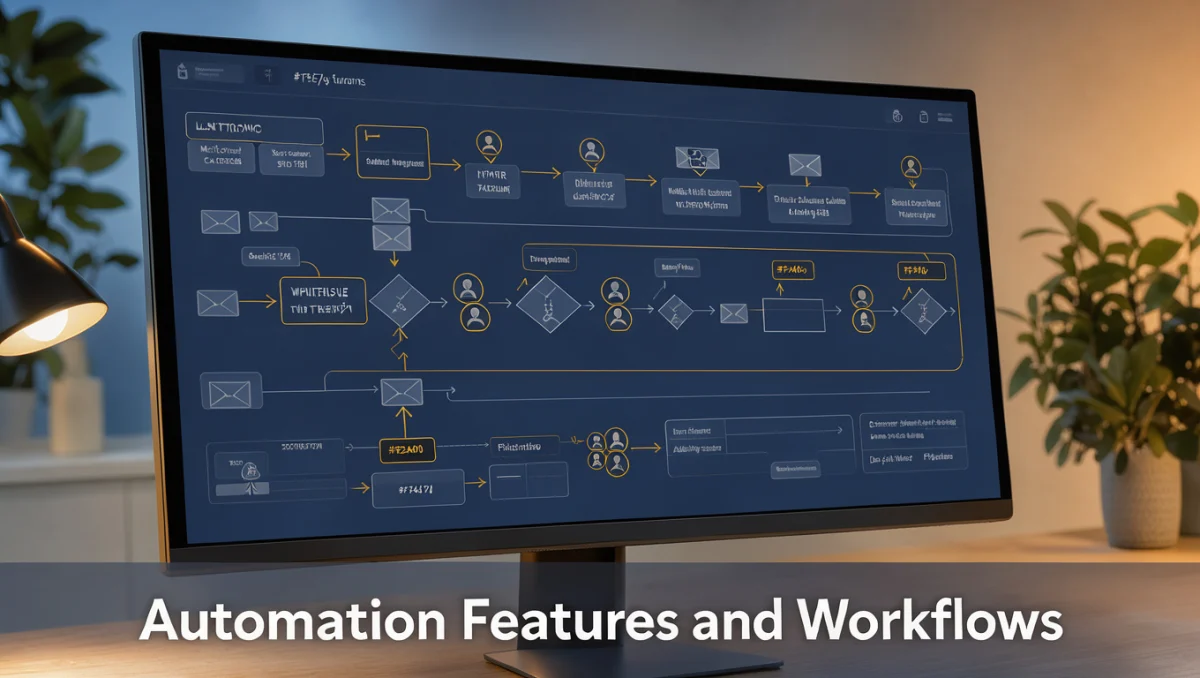
Email platforms diverge sharply in how they manage automation triggers, template handling, and contact attributes. Campaigner concentrates on structured journeys in which contact actions determine the next message across multiple touchpoints.
AWeber builds its feature set around fast message drafting, drag-and-drop assembly, and linear autoresponders. Users can launch sequential follow-ups quickly, which suits welcome series, simple educational drips, and basic course delivery.
Automation Workflow Design
Automation determines how efficiently you can nurture leads without manual effort. In Campaigner, workflows support branching logic, so subscribers move down different paths based on link clicks, purchase activity, or profile attributes.
AWeber handles automation through linear campaigns. Every subscriber receives the same series in the same order, which keeps setup simple and reduces configuration errors for newcomers.
Contact Segmentation and Data Fields
Segmentation marks another major difference. Campaigner offers filters that evaluate several subscriber fields at once, letting you target micro-segments based on engagement frequency and static profile data.
AWeber relies on list-centric structures supplemented by basic tagging. Subscribers can be categorized through tags applied at sign-up or on link clicks, which is enough for targeted broadcasts without relational database configuration.
4. Ease of Use and Interface Experience
An email platform's learning curve directly affects team efficiency and production speed. AWeber provides a friendly layout where drafting, template selection, and list management sit in a consolidated main menu.
Campaigner's interface targets technical operators who need precise control over field mapping, campaign settings, and behavioral rules. Setup takes longer, but administrators gain detailed governance over messaging parameters.
Independent evaluations published by Tested Truth stress that ease of use must be weighed against functional requirements. A platform that feels simple at first can become limiting once multi-step branching becomes necessary later in your growth.
5. Pricing Structure and Overall Value
Both vendors price their platforms by subscriber database size and feature tier. Before buying, verify exact subscriber brackets on the official Campaigner pricing page and the official AWeber pricing page to avoid surprise renewal costs.
Email software costs often rise once contact counts pass defined thresholds. Review whether list hygiene policies affect unsubscribed or inactive contacts and whether those count toward monthly caps on either service.
6. Integrations and Ecosystem Flexibility
Connecting your email software to landing page builders, payment processors, and CRM systems is essential for smooth data collection. Both platforms maintain integration directories, though their technical scope differs.
Before committing, confirm on official vendor documentation whether native connections exist for your specific e-commerce cart or content management system. If native bridges are missing, look for third-party webhook or automation options to carry the data flow.
7. Target Audience and Operational Fit
Matching the platform to your audience prevents software mismatch. Campaigner targets established businesses, commercial marketers, and e-commerce managers who segment contacts by customer journey stage.
AWeber serves solo operators, freelance writers, small digital agencies, and educational creators who need dependable distribution without managing multi-condition workflows. Its framework keeps audiences engaged without requiring dedicated technical oversight.
8. Support Infrastructure and Learning Resources
When deliverability questions or workflow bottlenecks arise, access to technical guidance matters. Vendors offer varying mixes of self-serve knowledge bases, community forums, and direct support channels.
Because support availability, response targets, and dedicated assistance vary by subscription tier, check each provider's official support policies before purchasing and confirm whether priority support requires a higher plan.
9. Competitive Position in the Email Ecosystem
Within the wider email marketing landscape, Campaigner competes with enterprise-oriented platforms that emphasize complex segmentation and conditional delivery paths. It suits organizations with structured marketing departments.
AWeber operates in the creator and small business segment, competing with tools built for fast publishing and clean subscriber onboarding. Its positioning highlights reliability, straightforward list handling, and approachable message design.
10. Decision Framework: How to Choose
Choosing between Campaigner and AWeber means weighing your internal resources, campaign frequency, and required automation depth. Use these guidelines to reach an informed decision:
- Choose Campaigner if your marketing requires complex branching sequences based on user behavior and detailed profile attributes.
- Choose Campaigner if you have team members dedicated to configuring advanced filtering and campaign triggers.
- Choose AWeber if your main need is producing newsletters and simple linear welcome drips with minimal overhead.
- Choose AWeber if you prefer a streamlined interface that lets you launch broadcasts without navigational friction.
- Review both official websites to compare current subscriber tiers and confirm compatibility with your existing database.
11. Frequently Asked Questions
How should an organization decide between linear autoresponders and branching workflows?
Start by assessing your audience diversity and buyer journey complexity. Linear autoresponders work well when every subscriber needs the same educational series regardless of behavior. Branching workflows become necessary when actions such as viewing specific content or making purchases should trigger customized follow-ups.
What causes email software expenses to climb over time?
Subscriber growth is the main cost driver on most email platforms. Additional expenses often come from crossing contact tier limits, adding administrative user seats, or upgrading to access advanced segmentation. Regular list cleaning helps keep subscription costs under control.
How can teams verify deliverability before a long-term commitment?
Verify the authentication protocols described in each vendor's official documentation, including domain record configuration and sender identity verification. Testing small segments and monitoring inbox placement during initial campaigns gives insight into sending reputation before you migrate your full database.
What preparation is needed before moving contacts between email systems?
Export complete subscriber lists with engagement histories, unsubscribe records, and custom field values before switching. Cleaning inactive addresses and mapping custom attributes to the new system protects data integrity and preserves sender reputation during the first sends.
12. Final Verdict and Rating Breakdown
The decision between Campaigner and AWeber balances operational simplicity against automation sophistication. Organizations that need precise subscriber targeting will find Campaigner suited to their technical demands, while creators who want direct messaging workflows will prefer AWeber.
| Evaluation Criterion | Score /10 | Reasoning |
|---|---|---|
| Features | 8.2 / 10 | Strong automation branching and segmentation, balanced against linear broadcast tools. |
| Ease of Use | 8.5 / 10 | Accessible interfaces for standard messaging, though advanced logic takes dedicated configuration time. |
| Pricing and Value | 7.6 / 10 | Tiered models require buyers to verify contact thresholds to stay within budget. |
| Integrations | 7.4 / 10 | Both tools connect to common web services, but buyers should verify specific third-party connectors. |
| Audience Fit | 8.3 / 10 | Clear separation between advanced behavioral marketing and straightforward newsletter broadcasting. |
| Support | 7.2 / 10 | Documentation and resources are available, though direct assistance rules depend on official terms. |
| Competitive Position | 7.7 / 10 | Distinct positioning lets both platforms serve clearly defined communication needs. |
testedtruth score: 7.8 out of 10. For solo creators and small businesses focused on weekly newsletters, AWeber offers a practical and dependable workspace. For growing businesses running segmented subscriber funnels with behavioral conditions, Campaigner provides the technical depth needed for modern multi-stage campaigns.
Have specific questions about choosing your email infrastructure? Send your inquiries through our contact page or connect with testedtruth on LinkedIn for ongoing software evaluation guidance.