testedtruth may earn a commission when you buy through links on this page, at no extra cost to you. This does not affect our ratings.
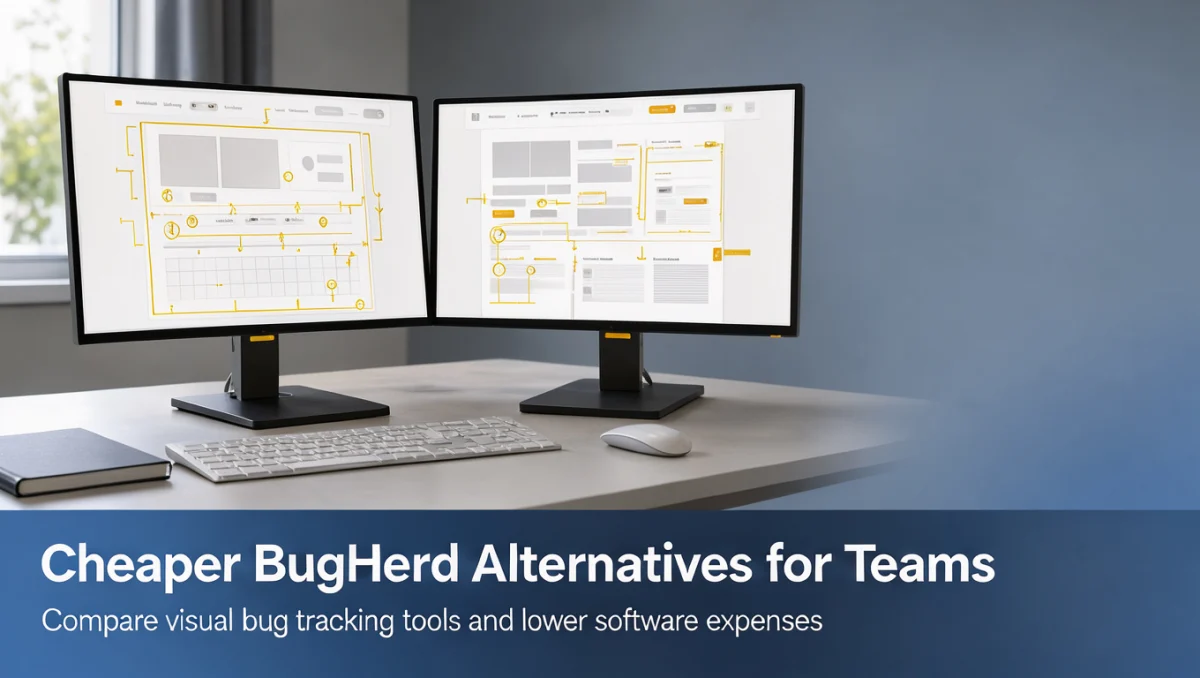
Teams looking for cheaper bugherd alternatives are usually web agencies, design studios and product groups that gather client feedback directly on live pages. BugHerd handles visual bug reporting well, but as guest reviewers and active projects grow, many teams start asking whether another platform offers a more affordable licensing structure. At Tested Truth, we weigh software options objectively so you can choose a tool that fits your real workflow.
Agencies often feel the pressure of subscription costs when they add contractors, outside stakeholders or client reviewers across several domains. Comparing budget options means weighing lower recurring fees against must-have features like automatic screenshots, browser metadata and centralized issue triage.
Quick answer: Teams that want budget-conscious website feedback should look at Atarim for client collaboration and design approvals, Marker.io for detailed development issue tracking, and Usersnap for wider user testing and customer sentiment. Each handles guest permissions, technical metadata and triage differently, so confirm how seats and projects are defined before you migrate.
| Alternative | Switch to it if | Main trade-off |
|---|---|---|
| Atarim | Your agency prioritizes client design sign-off and agency task collaboration. | Less emphasis on deep engineering issue tracking. |
| Marker.io | Your development team needs detailed technical console logs and browser metadata. | Tighter focus on technical reporting rather than general creative review. |
| Usersnap | You require website feedback combined with user acceptance and customer surveys. | Workflow leans toward product testing rather than simple agency review. |
1. How testedtruth Put This Guide Together
This guide combines what the software covered here is built to do with the testedtruth buying framework, so you can make the decision that fits your business. Plans, prices and limits change often, so we point out what to confirm on the official website before you buy. This article was researched and drafted with the help of AI tools, then reviewed and edited by the testedtruth Editorial Team.
2. Why Teams Look Beyond BugHerd
BugHerd is known as a visual feedback and issue tracking tool built for agencies, project managers and web developers who collect feedback directly on web pages. Still, needs change as organizations take on more client accounts and ship website updates continuously. Visual feedback platforms use different pricing models, charging per internal member, per active website or by project tier.
Subscription strain often shows up in client-service settings where dozens of outside reviewers must leave point-and-click annotations on staging sites. When vendors count client collaborators as billable seats or cap the number of active URLs per workspace, administrative overhead grows. Teams working in modern web development environments often revisit their stack to see whether specialized or leaner alternatives better match their review cycle.
- Seat categorization: Teams often seek tools that allow unlimited client or guest commentators without escalating user licensing fees.
- Project scaling: Multi-brand agencies frequently require platforms that support numerous staging domains and client portals under a predictable cost structure.
- Workflow focus: Some organizations prefer lightweight design markup over full-fledged engineering issue tracking, while others demand technical debug logs.
3. Switching Triggers
Deciding to move from one issue-tracking platform to another means weighing both functional needs and license predictability. The table below lists common friction points and what your team should confirm before choosing a replacement.
| Reason you want to switch | Type of alternative to consider | What to check first |
|---|---|---|
| High expenses when adding external client reviewers | Agency-focused platforms with open guest review models | Confirm whether guest access is truly unrestricted on official plan tiers. |
| Developers need deeper browser logs and technical error data | Engineering-centric bug reporting tools | Verify how console logs and environment metadata are gathered during ticket submission. |
| Feedback needs expand into end-user customer testing | User acceptance testing and survey platforms | Review how external survey responses and user tickets are routed and organized. |
| Excessive complexity for simple static creative assets | Lightweight markup and design approval utilities | Check whether the tool supports both live web URLs and static image mockups. |
4. The Alternatives
4.1. Switch from BugHerd to Atarim if your agency focuses on client collaboration
Atarim builds its software around agency workflows, client approvals and visual website collaboration. It serves digital agencies, web design firms and freelancers who need to guide non-technical clients through staging and maintenance reviews. The core idea is turning on-page comments into actionable tasks that design teams can resolve quickly. The main trade-off is that Atarim emphasizes creative client communication over deep software engineering bug tracking. Before switching, confirm on the official Atarim pricing page how project allocations and guest collaborator permissions are structured across subscription options.
4.2. Switch from BugHerd to Marker.io if your team needs developer-focused issue reporting
Marker.io targets software developers, QA teams and product managers who need structured issue reports. Its main focus is capturing visual website annotations alongside technical diagnostic data, including browser details, operating systems and console error logs. This makes it a strong choice when development teams need developer-ready tickets rather than conversational client notes. The trade-off is a narrower emphasis on agency client management compared with dedicated creative collaboration suites. Confirm on the official Marker.io plan comparison page how feedback widget installations and team seats are packaged.
4.3. Switch from BugHerd to Usersnap if your scope covers customer experience and product testing
Usersnap is designed for product teams, enterprise software companies and digital marketers who want both bug reporting and customer feedback. It covers broader user testing, customer satisfaction collection and issue tracking directly on digital products. Organizations often consider Usersnap when they outgrow basic staging feedback and need customer-facing feedback widgets on production applications. The main trade-off is added workflow configuration, which can feel excessive for teams that just want simple point-and-click website markup. Confirm on the official Usersnap website how monthly feedback submission volumes and project allowances are managed.
5. How to Switch Without Losing Data
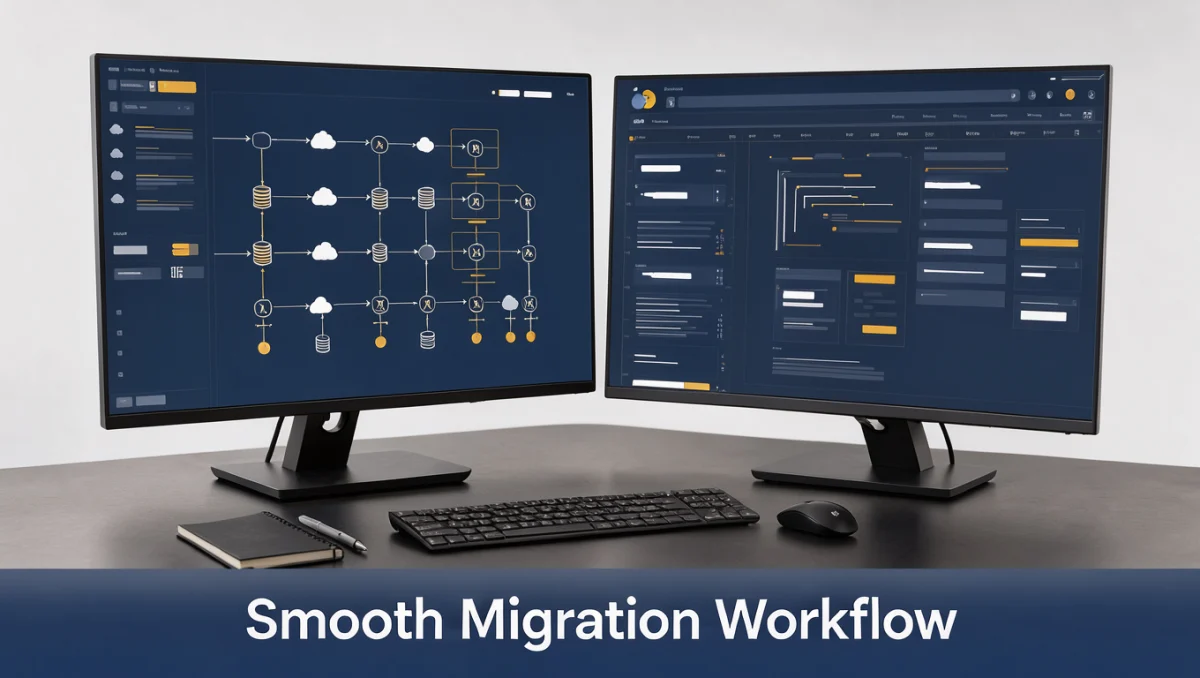
Moving between visual feedback platforms takes structured planning so existing client requests and active development tickets stay organized. A staged migration keeps disruption low across ongoing website deliverables.
- Export existing records: Download open and resolved bug tickets, task histories and attached image annotations from your current workspace to keep historical records.
- Complete an active review cycle: Avoid migrating in the middle of a critical client launch; finish current website sign-offs before switching scripts.
- Remove legacy tracking scripts: Take out the existing feedback script tag or browser extension from staging environments and production codebases.
- Install the replacement feedback script: Embed the new feedback widget on target websites and configure domain access settings according to the vendor documentation.
- Run parallel verification: Create test annotations across desktop and mobile views to confirm that screenshots, page URLs and metadata populate accurately.
- Train clients and staff: Share an onboarding guide with external clients showing how to submit visual annotations in the new interface.
6. Frequently Asked Questions
6.1. When should a team stay with BugHerd instead of switching?
Staying with BugHerd makes sense when your workflow is fully established and current project fees fit comfortably within your client billing structure. If your staff and clients already use the annotation system comfortably, the time needed to train clients and configure new integrations across dozens of websites may outweigh potential subscription savings.
6.2. How much time does migrating to an alternative feedback tool take?
A typical migration takes one to two weeks depending on the number of active client domains. Installing an embed script usually takes only a few minutes, but setting up workspace templates, establishing triage rules and orienting external clients requires coordinated scheduling across active projects.
6.3. What should agencies verify before choosing an alternative feedback tool?
Agencies should confirm how the replacement platform handles guest access, active URL limits and external stakeholder permissions. Some tools allow unlimited non-paying client reviewers on staging links, while others require named seats for anyone replying to or resolving tickets. Checking these rules on the vendor pricing page prevents unexpected invoice changes.
6.4. Can feedback tools capture mobile website issues accurately?
Visual feedback vendors approach mobile testing through responsive browser simulation, dedicated mobile web widgets or mobile browser extensions. Because mobile screen capture varies significantly between platforms, teams should test mobile feedback capture on live staging links during evaluation before committing to a platform.
7. Bottom Line
Choosing the right budget-friendly option comes down to whether your main need is client design approval, engineering bug logging or broad user sentiment collection. Digital agencies that prioritize client task sign-off often find Atarim fits their workflow, while development-focused teams that need technical metadata lean toward Marker.io. Teams running extensive user testing often pick Usersnap. Before you finalize a transition, verify seat categories, active domain limits and export options on the official vendor websites to keep total cost of ownership predictable.
Have a question about choosing software? Send it to the testedtruth team through our contact page or follow testedtruth on LinkedIn for new reviews and comparisons.