Tested Truth may earn a commission when you buy through links on this page, at no extra cost to you. This does not affect our ratings.
Choosing a prospecting platform means weighing data depth against contract obligations. zoominfo sales is one of the most established options for B2B intelligence, and this rewritten review explains what it does well, where it falls short, and how to decide whether it matches your revenue team.
Commercial teams keep struggling with stale customer records and a shortage of timely buying signals. Tools in this category supply direct dials, business emails and firmographic context so outbound reps can shorten their prospecting cycle and focus on accounts already showing interest.
Quick verdict: With an overall score of 8.0/10, the platform suits mature outbound development teams, account executives and revenue operations groups who need detailed org charts and intent data across North American enterprise accounts. Solo sellers and early-stage companies looking for light, month-to-month lookups will likely find it heavier than they need.
| Evaluation Metric | Summary Details |
|---|---|
| Tested Truth score | 8.0/10 |
| Best for | Outbound reps and enterprise account teams running structured, multi-contact prospecting in mid-market and large organizations. |
| Not ideal for | Independent founders and occasional prospectors who want pay-as-you-go lookups with no long-term commitment. |
| Key strengths | Deep company firmographics, org chart visualization, buyer intent tracking and direct phone access for outreach. |
| What to check before buying | Export credit allowances, annual contract terms, seat minimums and CRM enrichment rules on the official vendor site. |
1. How Tested Truth Reviewed ZoomInfo Sales
This review examines what the product is built to do, who it serves and how it stacks up against similar tools. We apply seven Tested Truth criteria: features, ease of use, pricing and value, integrations, audience fit, support and competitive position. Plans, prices and limits change frequently, so we flag what to verify on the official website before purchasing. The article was researched and drafted with AI assistance, then reviewed and edited by the Tested Truth Editorial Team.
2. What Is ZoomInfo Sales and Who Is It For?
ZoomInfo Sales is a business-to-business intelligence product that gives go-to-market teams account insight, contact discovery and buyer signals. Sales professionals can use it to find decision-makers across departments, review reporting structures and reach verified direct contact channels.
Teams adopting software in this space usually want to replace manual research with automated prospecting. Filters for revenue estimates, headcount, departmental makeup and installed technology let account executives shape outreach around the most relevant targets.
The primary users are business development reps, account executives, sales leaders and revenue operations staff at mid-market and enterprise B2B companies. When teams coordinate account-based marketing or run multi-threaded outreach into complex corporations, a centralized intelligence platform provides the structural visibility they need.
3. Core Features of ZoomInfo Sales
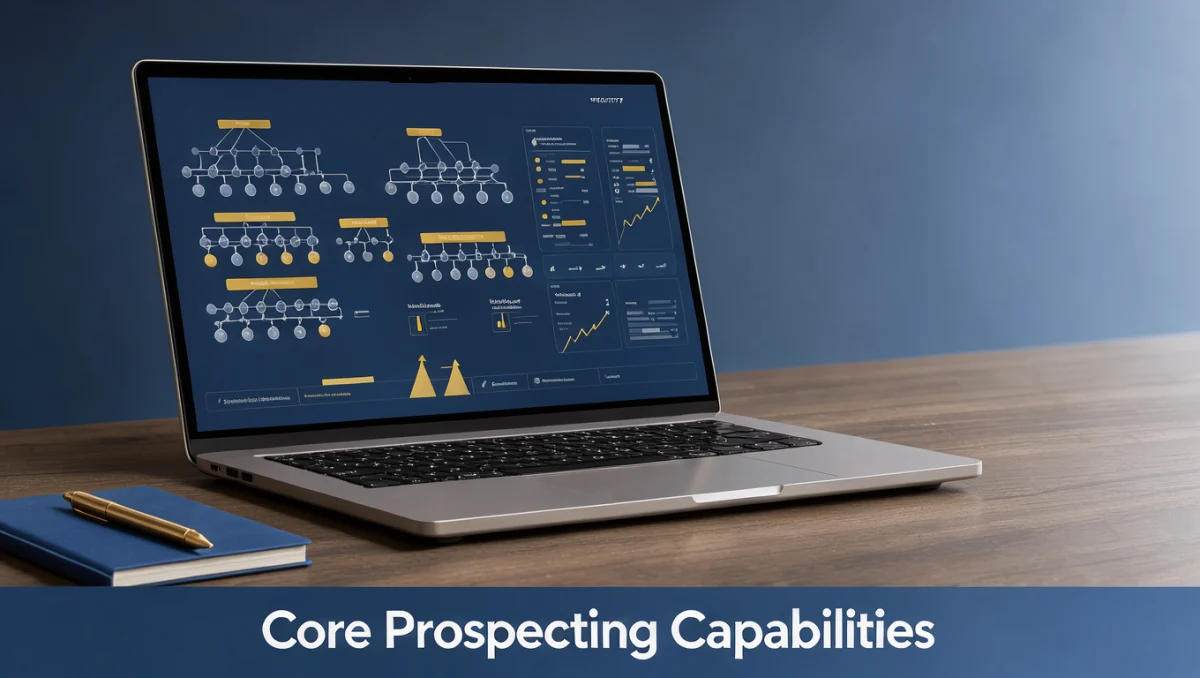
The product's core functions cover contact discovery, company profiling, buyer intent tracking and pipeline workflow. Together they let reps move from broad market segmentation down to individual outreach.
3.1. Contact Discovery and Verified Direct Dials
Accurate phone numbers and verified business emails are the foundation of any prospecting tool. The platform offers searchable databases indexed by job title, seniority, location and department.
Reps use these filters to get past corporate switchboards and reach decision-makers directly. Records are refreshed on an ongoing basis through automated web checks, public filings and data exchanges, which lowers the rate of bounced emails and dead phone extensions.
3.2. Company Firmographics and Technographic Profiling
Beyond individual contacts, prospecting teams need context to judge whether an account fits their ideal customer profile. The platform gathers details such as estimated annual revenue, historical headcount growth, subsidiary relationships and office locations.
Technographic data shows which software systems, cloud providers and marketing technologies an account already runs. Outbound reps can use this to tailor messaging around complementary tools or to position a replacement for a competing vendor.
3.3. Corporate Org Charts and Account Mapping
Enterprise deals demand engagement across department heads, technical evaluators and executive sponsors. The platform maps reporting relationships across leadership, department managers and staff to make these hierarchies visible.
Account executives can review departmental structures to identify internal champions and economic buyers before reaching out. This helps avoid relying on a single contact who may lack purchasing authority.
3.4. Buyer Intent Signals and Account Triggers
Deciding who to contact each day depends on knowing which accounts are actively researching relevant problems. Intent monitoring analyzes content consumption and online search patterns across business publications to flag organizations showing rising interest in a category.
When an account shows heightened activity around relevant topics, the platform marks it as an active prospect. Sales development teams can time their outreach to coincide with buyers who are already evaluating solutions.
4. Ease of Use and Learning Curve
Enterprise data platforms have real depth, so onboarding needs deliberate training and a structured rollout. Basic navigation revolves around a search bar and filter criteria, which new users can pick up without much friction.
Configuring advanced prospect lists, setting up automated intent alerts and establishing two-way CRM mapping add noticeable complexity. Sales operations teams need to invest time in field-level governance so exported records align with existing pipeline data without creating duplicates.
For day-to-day reps, browser extensions simplify research by showing contact data next to company websites and professional profiles. Teams that run structured onboarding sessions generally reach proficiency faster than those who hand out accounts without workflow guidelines.
5. Pros and Cons of ZoomInfo Sales
Evaluating an intelligence database means balancing data depth against administrative effort. Buyers should weigh the operational strengths against the platform's trade-offs before committing to a long-term agreement.
5.1. Platform Strengths
- Broad contact coverage across North American enterprise accounts, with reliable direct dials and corporate email paths.
- Detailed org chart mapping that reveals reporting lines and buying committees inside complex organizations.
- Multi-signal intent tracking that helps revenue teams prioritize high-propensity accounts over cold lists.
- Established ecosystem connections that synchronize automatically with major CRM systems.
5.2. Practical Limitations
- Enterprise contracts typically require annual commitments and negotiated seat counts rather than modular month-to-month access.
- Contact coverage and mobile phone availability can vary when prospecting outside North America.
- Administrative overhead is needed to manage export credit use and stop team members from using up allowances too early.
- Non-technical users may face a steep learning curve when mastering advanced Boolean queries and automated enrichment triggers.
6. ZoomInfo Sales vs Similar Tools
The sales intelligence market includes several established vendors with different data profiles, geographic strengths and contract structures. Comparing alternatives helps commercial leaders match a tool to their outreach model.
| Platform | Target Audience | Primary Distinction | Evaluation Focus |
|---|---|---|---|
| ZoomInfo Sales | Mid-market and enterprise B2B outbound teams | Deep North American org charts and intent signals | Review annual seat commitments and credit rollover rules |
| Apollo.io | Startups, SMBs and modern outbound teams | Combined contact database and email sequencing tools | Check data accuracy benchmarks across specific industries |
| Cognism | European and international enterprise sales groups | Compliance-focused mobile coverage across EMEA regions | Verify regional data compliance standards and calling registries |
| Lusha | Individual recruiters and mid-market reps | Lightweight contact enrichment through browser extensions | Compare team credit allowances against monthly outbound volume |
| LinkedIn Sales Navigator | Relationship sellers and executive account teams | Proprietary professional network and real-time job changes | Evaluate direct communication options beyond messaging credits |
Apollo.io pairs prospect discovery with built-in sequence automation, which appeals to teams that want one consolidated communication workflow. Large enterprise revenue teams, however, often choose ZoomInfo Sales when deep hierarchy mapping and multi-source intent data matter most for complex deals.
Cognism focuses on phone-verified mobile numbers and strict compliance with European privacy rules. Teams that concentrate on the UK and continental Europe often compare it directly with ZoomInfo Sales to assess local phone connection rates.
LinkedIn Sales Navigator is strong on executive job transitions and up-to-date career changes because it relies on member-maintained profiles. Many enterprise groups run it alongside ZoomInfo Sales, using the professional network to identify relationships and the intelligence database for direct phone numbers and firmographics.
7. Who Should Use ZoomInfo Sales?
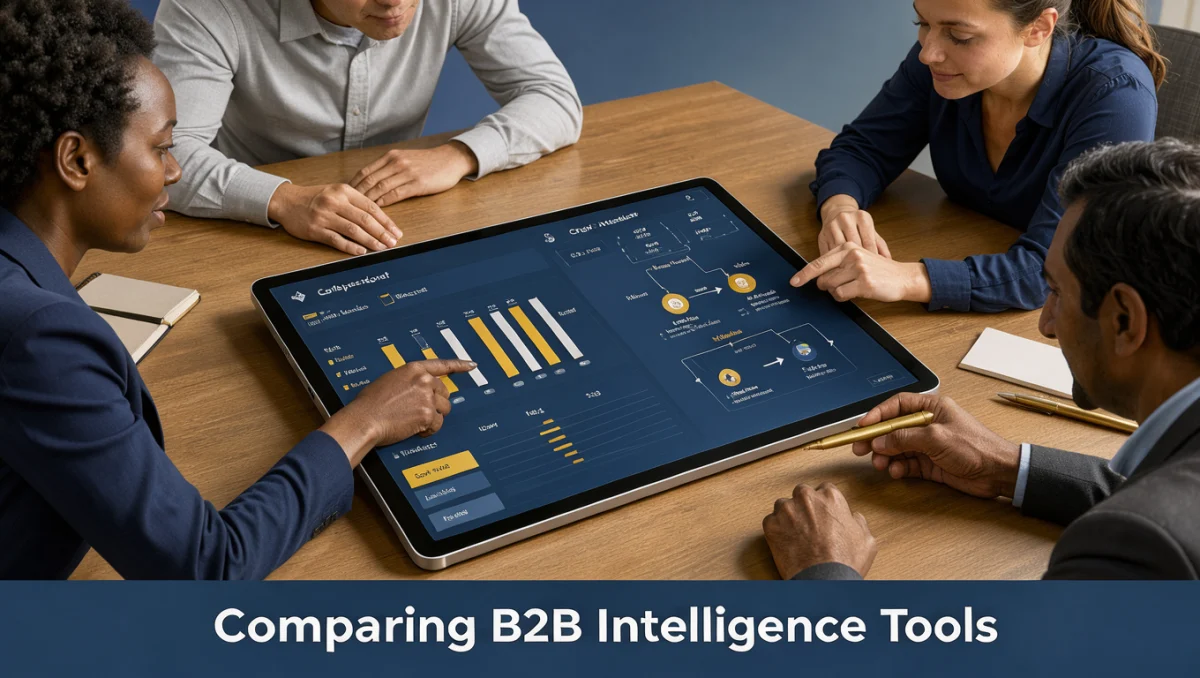
The product's value depends on team maturity, sales methodology and target market. The profiles below show where the platform delivers the most value and where alternatives may be more practical.
7.1. Enterprise Sales Development Teams
Dedicated outbound teams running cold calling and email campaigns benefit a great deal from verified direct dials and departmental org charts. When reps make dozens of targeted contacts a day, saving minutes per contact adds up to meaningful productivity gains.
7.2. Account-Based Marketing and Revenue Operations
Revenue operations leaders who need to clean, standardize and enrich CRM account data get real leverage from automated synchronization. Combining intent signals with firmographics lets ops teams route high-value accounts to the right industry-specialist account executives.
7.3. Small Businesses and Bootstrapped Startups
Early-stage ventures and bootstrapped founders with modest outbound volume may find annual contracts and custom enterprise quotes hard to justify. Teams testing product-market fit or sending occasional pitches often get better financial balance from modular tools with self-service monthly plans.
7.4. Solo Consultants and Freelancers
Independent practitioners rarely need multi-user seats, deep technographic tracking or full hierarchy maps. Solo operators are usually better served by lightweight browser add-ons that charge per successful lookup than by enterprise data subscriptions.
8. How to Choose the Right Plan for ZoomInfo Sales
Enterprise intelligence vendors sell through tiered subscriptions, so buyers should scrutinize contract details instead of relying on standard checkout flows. Defining internal data requirements before speaking with a vendor representative prevents misaligned purchases.
| What to Check on the Official Pricing Page | Why It Matters | Who It Matters Most For |
|---|---|---|
| Credit allocation and export limits | Credits determine how many contact records and phone numbers your team can export to CRM systems each billing cycle. | High-volume outbound teams running broad email and cold-calling campaigns. |
| Intent data topics and signal tiers | Advanced buying-intent categories or surge signals are often packaged in separate plan tiers. | Account-based marketing leaders and revenue operations specialists who prioritize account lists. |
| CRM enrichment and two-way sync | Automated database hygiene and enrichment may require specific packaging or add-ons. | Revenue operations teams managing complex, historical database clean-up projects. |
| Seat minimums and license terms | Contracts often set minimum seat counts and multi-year commitments that affect baseline spend. | Growing mid-market companies budgeting for team expansion over twelve to twenty-four months. |
Before negotiating, calculate your team's monthly export needs based on past outbound activity. Overestimating exports leaves credits unused, while underestimating can stall campaigns mid-cycle unless the contract is amended.
9. Frequently Asked Questions About ZoomInfo Sales
9.1. How should buyers evaluate data accuracy before signing?
Run a structured sample test using a list of your existing target enterprise accounts. Submitting twenty to thirty specific companies during demos lets sales leaders check whether the returned direct dials, titles and emails match active personnel in their market sector.
9.2. What hidden costs should teams expect when deploying sales intelligence?
Budget for internal integration time, possible implementation help and any connectors needed for complex CRM setups. Teams expanding outbound calling should also account for telephony fees and possible overage charges if export volume exceeds the plan's allowance.
9.3. How does buyer intent data work inside prospecting software?
Intent data tracks spikes in content consumption across business publications, linking IP addresses and content topics to specific corporate domains. When employees at an organization read research or product comparisons in a given category, the platform aggregates that activity to suggest possible commercial interest.
9.4. What steps prevent wasted credits across large prospecting teams?
Sales leadership should set usage rules in the team management console to control individual export thresholds. Applying deduplication before exporting contacts to the CRM ensures that several reps don't spend separate allowances on the same decision-maker.
9.5. How should international teams assess global data coverage?
Teams targeting prospects in Europe, Asia-Pacific or Latin America should request a clear regional coverage breakdown during evaluation. Depth for mobile direct dials and executive contacts differs considerably across countries because of local privacy laws and public reporting norms.
10. Final Verdict on ZoomInfo Sales
ZoomInfo Sales offers deep company firmographics, visual org charts and verified direct dials for B2B teams running structured outbound motions. Enterprise contract terms and credit management require careful planning, but the platform delivers strong data depth for organizations prospecting mid-market and enterprise accounts.
| Evaluation Criterion | Score /10 | Reason |
|---|---|---|
| Features | 9.0/10 | Comprehensive firmographics, visual hierarchy mapping and multi-threaded intent signals support sophisticated outbound prospecting. |
| Ease of Use | 7.2/10 | Basic contact search is simple, but advanced list filters and CRM field mapping add administrative complexity. |
| Pricing and Value | 6.8/10 | Annual agreements, custom enterprise quotes and seat minimums require a careful ROI calculation before buying. |
| Integrations | 8.2/10 | Wide synchronization options with major CRM and sales engagement suites support automated enrichment and pipeline hygiene. |
| Audience Fit | 8.8/10 | Strong alignment with dedicated B2B outbound teams, enterprise account executives and revenue operations groups. |
| Support | 7.5/10 | Guided onboarding, documentation and account management depend on enterprise service tier and contract terms. |
| Competitive Position | 8.5/10 | Holds a prominent place for North American enterprise B2B data depth despite growing competition from agile prospecting suites. |
Overall Tested Truth score: 8.0/10
For enterprise revenue groups, business development reps and account executives running rigorous North American outbound programs, zoominfo sales is a capable data engine that speeds up pipeline generation. Smaller companies, bootstrapped startups and solo consultants should compare their monthly volume against annual commitments before spending. For more independent software analysis, visit Tested Truth, or browse our Sales category for related guides.