testedtruth may earn a commission when you buy through Tested Truth links on this page, at no extra cost to you. This does not affect our ratings.
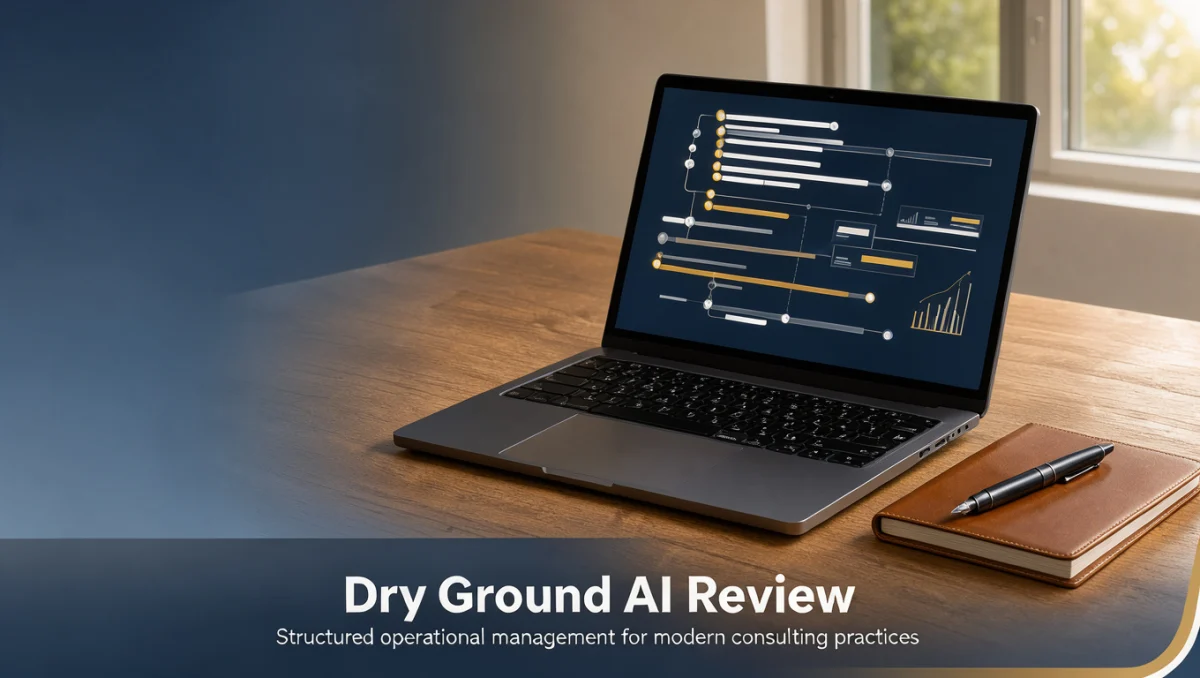
Independent AI advisors often juggle scoping calls, diagnostic notes and milestone reports across scattered files. Purpose-built consulting software promises to bring that work into one repeatable structure, and Dry Ground AI is one option built with exactly that goal in mind.
Before adopting any platform, practitioners need an honest picture of what it does well and where it falls short. Our editors look at how this tool fits real advisory demands and which details buyers should confirm directly with the vendor.
Quick verdict: Dry Ground AI scores 8.0/10 for consulting operations. It suits independent practitioners and boutique advisory teams that want structured delivery, and it is a weaker match for generalist agencies chasing broad marketing automation or heavy legacy enterprise suites.
| Evaluation Dimension | Assessment Details |
|---|---|
| testedtruth score | 8.0/10 |
| Best for | Independent practitioners and boutique advisory practices delivering structured AI guidance |
| Not ideal for | High-volume creative marketing agencies or enterprises needing traditional resource scheduling |
| Key strengths | Structured delivery frameworks, advisory artifact tracking, and streamlined project scoping |
| What to check before buying | Confirm seat provisions and client collaboration limits on the official vendor pricing page |
1. How testedtruth Reviewed Dry Ground AI
We assessed what Dry Ground AI is designed to do, who it serves, and how it stacks up against similar tools. Our review applies seven testedtruth criteria: features, ease of use, pricing and value, integrations, audience fit, support and competitive position. Plans and limits shift frequently, so we flag what to verify on the official website. This article was researched and drafted with AI assistance, then reviewed and edited by the testedtruth Editorial Team.
2. What Dry Ground AI is and who it serves
Dry Ground AI is domain-specific software for advisory professionals working in AI implementation. It targets independent consultants, fractional technical leaders and specialized boutique practices that need repeatable processes for scoping, execution tracking and governance reporting.
The tool sits between generic task managers and heavyweight corporate advisory systems. By centering on deliverables such as readiness assessments, roadmaps and stakeholder presentations, it helps consultants standardize client work without building an internal management portal from scratch.
| User Profile | Primary Operational Objective |
|---|---|
| Independent Technical Advisors | Centralizing client diagnostic data and advisory roadmaps |
| Fractional Strategy Leads | Standardizing assessment deliverables and executive briefs |
| Specialized Advisory Boutiques | Maintaining uniform delivery frameworks across client engagements |
3. What Dry Ground AI helps you do
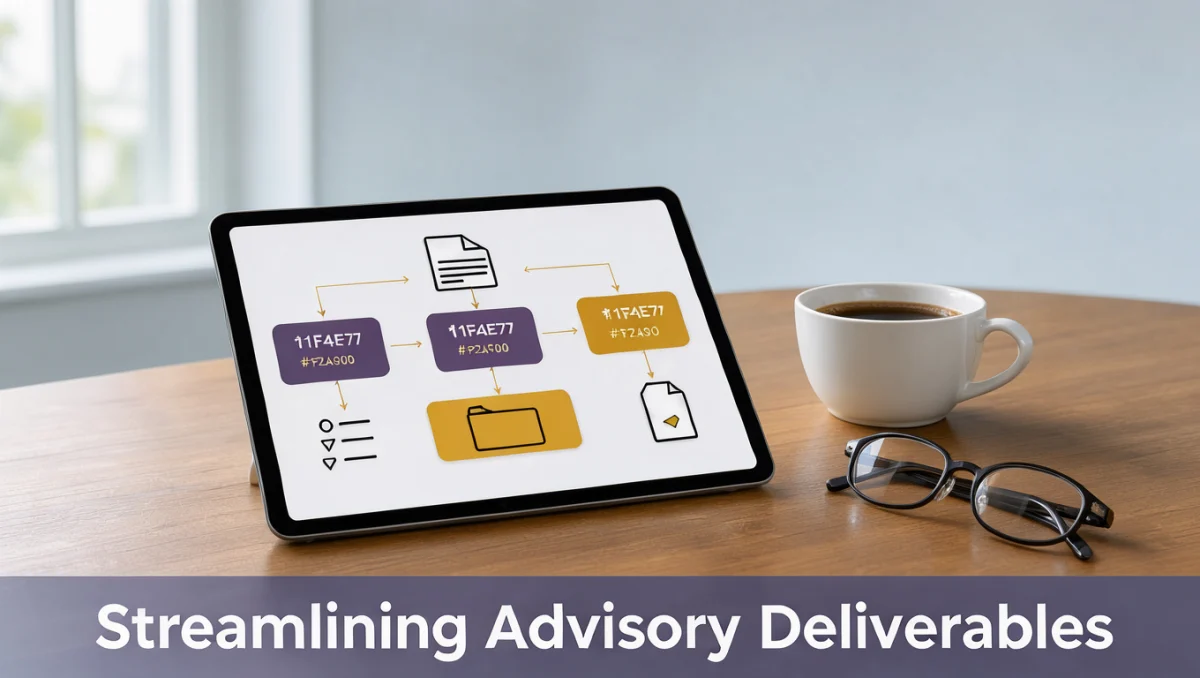
Advisory work moves through discovery, assessment, recommendation and oversight. Dry Ground AI organizes these phases into functional areas that match typical client engagements.
3.1 Engagement scoping and diagnostic assessments
Consultants use the software to map organizational readiness and record client maturity across technical infrastructure. Buyers should test template configuration during assessment cycles to confirm the standard question sets fit their own advisory methodology.
3.2 Deliverable compilation and tracking
The platform gathers advisory documentation, milestone reports and strategic recommendations into shared repositories. Teams should check how client visibility works so stakeholders can review drafts without unnecessary friction.
3.3 Roadmap formulation and milestone oversight
Practitioners map implementation roadmaps, governance checkpoints and transition plans inside project environments. Testing this area shows whether tracking holds up when client timelines shift and delivery spans multiple phases.
| Consulting Phase | Core Workflow Activity | Recommended Verification Task |
|---|---|---|
| Engagement Scoping | Organizational maturity profiling | Test diagnostic template tailoring |
| Deliverable Authoring | Compiling strategic recommendations | Check external client review permissions |
| Execution Oversight | Milestone and governance tracking | Verify project status sharing options |
4. Ease of use and learning curve
Advisory-focused software usually has a learning curve tied to how closely its default categories match your existing habits. Dry Ground AI uses terminology common in technical advising, which reduces friction for experienced strategists.
Practitioners used to blank-canvas note apps may need time to adjust to structured workflow containers. Solo users generally find the main workspace straightforward, while teams with several collaborators should agree on naming conventions before onboarding active accounts.
- Initial setup involves defining consulting templates rather than configuring servers.
- Adoption speeds up when advisory teams bring standardized diagnostic questionnaires in early.
- Practices moving from unstructured documents should expect an orientation period while setting repository standards.
5. A two-week evaluation plan for Dry Ground AI
Before committing budget, validate that the tool works for your actual projects. A structured fourteen-day plan helps advisory practices check team fit and practical value.
- Days 1–3: Workspace setup and template alignment. Build one standard client assessment template. Check whether default discovery categories reflect your framework, and confirm account administration settings.
- Days 4–7: Simulated engagement testing. Load a past engagement into the platform. Draft diagnostic deliverables, map timelines, and judge how clearly recommendations read to non-technical executives.
- Days 8–14: Collaboration and sharing review. Invite a peer to test review functions. Assess deliverable export quality and confirm on the official website whether multi-seat tiers carry extra administrative requirements.
6. Where Dry Ground AI shines and where it may fall short
Weighing trade-offs helps leaders invest in software that fits real operations rather than promises. The matrix below shows where the tool performs well and where friction is likely.
| Operational Area | Shines When | May Fall Short When |
|---|---|---|
| Advisory Standardization | Practices need consistent assessment frameworks across accounts | Consultants rely on fully bespoke, non-repeatable processes |
| Client Deliverable Oversight | Advisors need structured documentation for technical initiatives | Teams expect automated code generation or pipeline testing |
| Project Governance | Stakeholders want transparent roadmap and milestone tracking | Firms require complex payroll or legacy billing systems |
7. Dry Ground AI compared with similar tools
Choosing advisory tools means understanding how dedicated consulting systems differ from general productivity platforms and broad professional services suites.
| Tool | Best For | Core Focus |
|---|---|---|
| Dry Ground AI | Independent advisors and boutique consulting practices | Structured technical advisory delivery and engagement governance |
| Notion | Solo operators wanting flexible, freeform workspaces | Unstructured knowledge management and custom databases |
| Kantata | Large professional services firms managing staff utilization | Enterprise resource management, accounting and timesheets |
8. Who should use Dry Ground AI
Different consulting models need different tooling. Knowing your fit prevents overspending on unused features or fighting rigid structures.
| User Segment | Suitability Assessment | Primary Consideration |
|---|---|---|
| Independent AI Consultants | Strong Fit | Gives structured consulting scaffolding without enterprise admin overhead |
| Boutique Technical Practices | Strong Fit | Helps multiple leads deliver consistent assessment outputs to clients |
| Corporate Agency Teams | Moderate Fit | Works for advisory units but lacks integrated marketing campaign management |
| General Freelance Writers | Poor Fit | Specialized diagnostic structures add unnecessary complexity for content work |
| Academic Students | Poor Fit | Built for active client engagements rather than coursework |
9. Pricing at a glance
Specialized SaaS vendors typically tier subscriptions by user count, workspace storage and external stakeholder access. Confirm specific figures directly with the vendor before enrolling.
- Check the official Dry Ground AI pricing page for how many internal seats each plan includes, since adding team members changes total cost.
- Verify whether client portal access requires paid guest licenses or comes with free read-only permissions.
- Review invoicing, contract length and annual prepayment terms on official billing pages so procurement matches your revenue cycle.
10. Frequently asked questions
What should teams prepare before adopting Dry Ground AI?
Advisory practices get the most value when they already have consulting frameworks, diagnostic question sets and clear deliverable definitions before setup. Arriving with standardized assessment outlines reduces configuration delays and speeds up client deployment.
Which consulting models benefit most from this platform?
Practitioners offering strategic advisory, architectural roadmap planning and organizational technology assessments gain the most from structured deliverable containers. Firms focused purely on staff augmentation or raw engineering execution will likely find traditional code repositories and issue boards more suitable.
How should buyers weigh platform costs against general workspace tools?
Consultants should estimate whether time saved by pre-structured advisory templates outweighs the price difference against generic document software. Checking exact tier limits on the vendor website ensures the ROI calculation includes collaborator license costs.
How can client confidentiality be protected during evaluation?
Advisors should use anonymized or historical reference cases during pilot testing rather than live proprietary records. Consulting leads should review the official terms of service and privacy guidelines to confirm client compliance obligations are met.
11. Final verdict
Dry Ground AI offers a focused operating framework for technical consultants who want to standardize client deliverables. General workspace software allows near-infinite customization, while Dry Ground AI supplies guardrails that save advisory practices valuable scoping time.
| Evaluation Criterion | Assigned Score | Rating Rationale |
|---|---|---|
| Features | 8.0/10 | Well-targeted advisory scaffolding for diagnostics and roadmap tracking |
| Ease of Use | 8.5/10 | Clear terminology aligned with technical advising keeps setup hurdles low |
| Pricing and Value | Confirm before buying | Review official tier schedules for seat allowances and external collaborator rules |
| Integrations | Confirm before buying | Verify current data sync capabilities in the official integration directory |
| Audience Fit | 8.5/10 | Closely matches the routines of independent advisors and boutique practices |
| Support | Confirm before buying | Check available service channels, onboarding help and vendor response commitments |
| Competitive Position | 7.0/10 | Distinct for technical consulting, though it competes with flexible generalist platforms |
| Overall Score | 8.0/10 | A solid environment for advisors who want structured deliverable management |
Practitioners running dedicated advisory services will find real efficiency gains in structured engagement containers. General agencies and individual students should look at general-purpose platforms that better match their broader needs.
Have a question about choosing software? Send it to the testedtruth team through our contact page or follow testedtruth on LinkedIn for new reviews and comparisons.
See More dry ground ai for ai consultants · Artificial Intelligence