testedtruth may earn a commission when you buy through links on this page, at no extra cost to you. This does not affect our ratings.
Learning how to sign up for BidX starts with clarifying your marketplace advertising goals and gathering the seller credentials needed for automated pay-per-click management. BidX is an advertising automation platform built to help retail merchants handle keyword bidding and campaign scheduling. The Tested Truth team put together this walkthrough so you can organize your onboarding and structure campaigns efficiently from the first day.
Before you commit ad budget, review the prerequisites and administrative permissions your organization needs. E-commerce advertising software usually requires specific administrator access on your seller central account, so planning ahead prevents surprise interruptions during configuration.
Quick verdict: BidX earns a testedtruth score of 7.8 / 10. It suits e-commerce advertising managers who run paid marketplace campaigns and want rule-based bid automation. It is less suited to casual sellers who run small, occasional promotions and prefer adjusting campaigns manually without third-party tools.
| Metric | Summary |
|---|---|
| testedtruth score | 7.8 / 10 |
| Best for | E-commerce advertising managers who run paid marketplace campaigns and want rule-based bid automation |
| Not ideal for | Casual sellers running small occasional promotions who prefer manual campaign adjustments without third-party management tools |
| Key strengths | Rule-based bidding automation, automated keyword discovery, and advertising dashboard reporting |
| What to check before buying | Confirm seller account permission requirements, current plan tier structures, and workspace seat allowances on the official BidX website |
1. How testedtruth Reviewed BidX
This review examines what BidX is designed to do, who it serves, and how it compares with similar tools, using the seven testedtruth criteria: features, ease of use, pricing and value, integrations, audience fit, support, and competitive position. Plans, prices, and limits change often, so we flag what to confirm on the official website before purchasing. This article was researched and drafted with AI assistance, then reviewed and edited by the testedtruth Editorial Team.
2. Before You Start
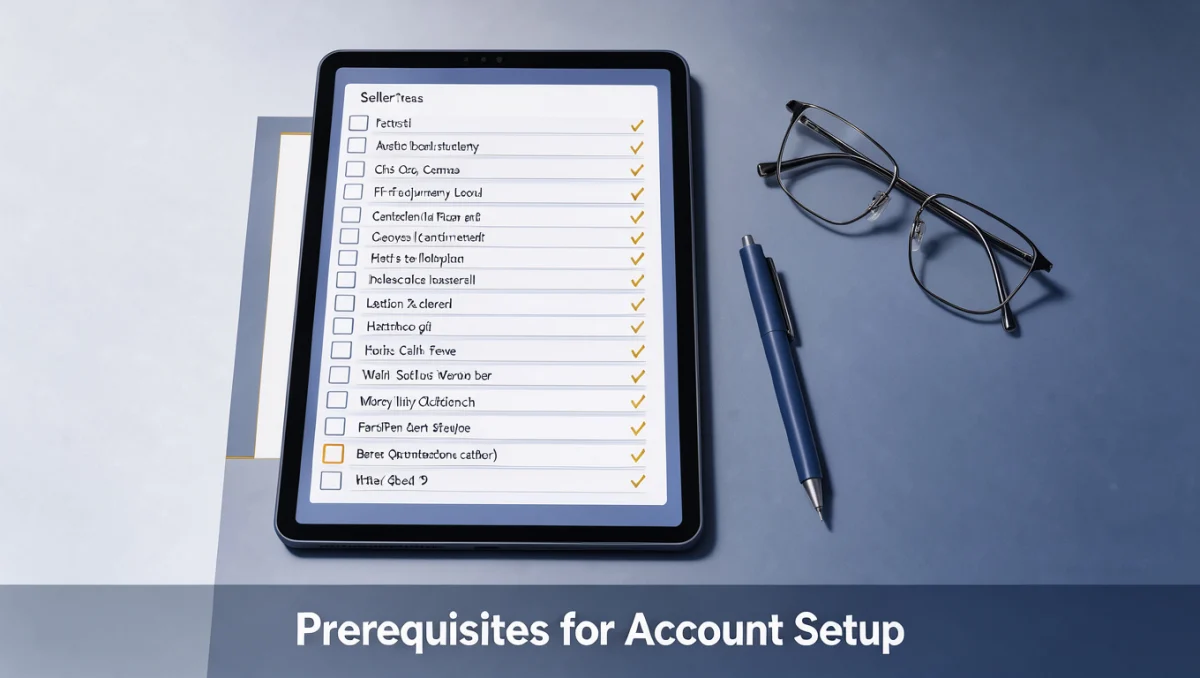
Preparing your organization before creating an advertising management profile prevents delays and connection errors during onboarding. Specialized e-commerce advertising software connects directly to your digital storefront, so certain preparatory steps are needed before you begin registration.
Gathering Necessary Business Credentials
You need administrative rights on your marketplace advertising console before linking any software. Most advertising platforms require secondary user permissions or primary administrative rights to authorize third-party data synchronization. Identify which team members hold account governance before you start the registration form.
Financial billing details should also be arranged within your internal procurement workflow. Modern software-as-a-service providers ask for standard business billing information, so having a designated corporate payment profile ready speeds up activation.
Reviewing Marketplace Readiness and Ad Spend
Evaluate your current advertising structure to confirm your product listings have enough sales history. Automated bidding algorithms work best when existing campaigns provide baseline conversion history, impressions, and click-through data.
Many advertising platforms align subscription tiers with total managed ad spend, so check the official BidX pricing page to see where your monthly ad budget fits within its current tier brackets.
3. Getting Started Workflow

The onboarding workflow involves completing basic account setup, authorizing marketplace data access, and defining default campaign management rules. Following a methodical sequence ensures your advertising data imports cleanly without disrupting active promotions.
Phase 1: Initial Registration and Profile Creation
Start by going to the official website and choosing the registration option. The platform asks for basic organizational details, a corporate contact email, and user role information to create your administrative dashboard.
Use a centralized corporate email address rather than an individual team member's inbox. Centralized addresses keep operational access intact during staff changes or administrative handoffs.
Phase 2: Connecting Marketplace Advertising Accounts
After verifying your registration details, establish the authorized data connection with your marketplace merchant portal. Third-party advertising software uses standard authorization protocols to synchronize historical campaign metrics, keyword data, and product catalogs.
Review the exact authorization scopes requested at this step. Confirming these permission levels ensures the external platform can retrieve campaign metrics and submit bid adjustments on your behalf.
Phase 3: Defining Campaign Objectives and Rule Sets
Once data synchronization finishes, configure your advertising objectives in the platform settings. Advertisers typically set target advertising cost of sale goals, target return on ad spend, or keyword harvesting criteria based on brand strategy.
Automated platforms use rules to raise bids on high-performing search terms and lower bids on unproductive queries. Take time to set conservative boundary conditions so your ad budget stays protected while the algorithms calibrate.
Phase 4: Structuring Keyword Harvesting and Negation
Organize how search terms move between campaign types. Digital advertising platforms often automate keyword migration, transferring converting search queries from broad match discovery campaigns into exact match target campaigns.
At the same time, set up negative keyword protection to suppress irrelevant search traffic. Automated negative keyword rules prevent repeated spend on terms that fail to produce conversions.
4. Best Practices
Structured operational habits keep your advertising automation running smoothly over long evaluation cycles. Software automation needs ongoing strategic oversight rather than being left entirely hands-off.
Establishing Conservative Automation Boundaries
Set reasonable percentage limits on automated bid adjustments during your first few weeks. Restricting how sharply the system can raise or lower bids prevents wild swings in traffic during unexpected demand changes.
Reviewing performance metrics on a weekly schedule gives you enough data to judge whether automated adjustments meet your business benchmarks. Regular oversight keeps algorithmic drift from conflicting with your overall brand margin requirements.
Separating Brand and Non-Brand Campaign Rules
Brand search queries perform differently from generic product queries. Brand terms usually convert at higher rates and lower acquisition costs, while generic category keywords need tighter cost controls.
Configure separate rule groups for branded keywords and generic category targeting. Tailoring bidding formulas to distinct search intents keeps ad spend focused on profitable growth areas.
Auditing Target Advertising Cost of Sale Metrics
Review product profit margins before setting target advertising cost of sale parameters in the dashboard. Targets set too low can suppress visibility on key inventory, while targets set too high can erode gross product profit.
Teams adopting machine-driven bid optimization in Artificial Intelligence marketing platforms benefit from calibrating targets against landed product costs and seasonal sales volume.
5. Common Mistakes to Avoid
Avoiding common setup missteps saves marketing funds and prevents performance disruption across active listings. Teams often run into operational friction when adopting automated campaign tools for the first time.
Activating Automation Across All Campaigns Instantly
A widespread mistake is turning on automated bid rules across the entire campaign portfolio on day one. Switching every product line at once makes it hard to tell whether performance changes come from market factors or from software adjustments.
Start by enabling automated management on a controlled set of non-critical product lines. Watching how the system handles bid changes on secondary inventory builds confidence before expanding automation to primary revenue products.
Ignoring Conflicting Marketplace Rules
Running multiple conflicting automation tools at once can create serious bidding volatility. If native marketplace bidding algorithms compete with external third-party rules, bids can escalate or drop unpredictably.
Consolidate all external bidding software and native automated bidding features into one unified strategy. Disabling overlapping tools prevents conflicting bid commands from distorting your ad spend.
Failing to Audit Product Inventory Status
Automated bidding platforms keep spending ad dollars whether or not your warehouse can fulfill orders. Driving paid traffic to products with dwindling stock can hurt organic rankings if items go out of stock.
Build operational checklists that pause or restrict advertising rules when stock drops below safety thresholds. Coordinating ad schedules with logistics prevents wasted clicks on depleted items.
6. Frequently Asked Questions
What administrative permissions are required before connecting marketplace campaigns?
Administrative permissions or delegated developer authorizations within your primary merchant advertising portal are needed to complete software data links. Without the right delegation, third-party software cannot pull historical campaign data or send automated bid changes. Always confirm the required authorization levels in the official BidX documentation before starting setup.
How should advertising managers prepare their campaign structure for automation?
Advertising managers should organize campaigns into clear thematic groups such as brand discovery, product research, and exact match targeting. Consistent naming conventions and baseline performance history let rule-based automation engines categorize search terms and make calculated bid decisions as soon as they connect.
What should a team budget for beyond the core platform subscription?
Teams should budget for overall marketplace advertising media spend, possible third-party analytics add-ons, and staff training. The subscription covers dashboard access and automation processing, while actual media spend is billed directly by the marketplace where your ads run.
When should an organization choose rule-based advertising tools over manual bidding?
Consider automated advertising tools when managing thousands of keyword bids across many product variations becomes too time-consuming in spreadsheets. Rule-based tools remove repetitive manual bid entries, so marketing teams can spend more time on creative assets, product photography, and high-level inventory strategy.
What details should be verified on the official pricing page before completing registration?
Prospective subscribers should verify monthly managed ad spend thresholds, active account limits, workspace seat allowances, and cancellation notice requirements. Because providers adjust tier allocations periodically, checking the official BidX plan comparison page ensures you pick the level that matches your current advertising scale.
7. Final Verdict
Knowing how to sign up for BidX lets marketplace merchants set up structured advertising workflows with confidence. BidX delivers practical value for catalog managers who want rule-based bid automation without building custom in-house software. Prospective buyers should confirm current plan tiers and ad spend boundaries on the official BidX website before finalizing their onboarding strategy.
| Criterion | Score / 10 | Reason |
|---|---|---|
| Features | 8.4 / 10 | Strong rule-based bidding and keyword automation |
| Ease of Use | 8.0 / 10 | Guided onboarding with a clear dashboard |
| Pricing and Value | 7.2 / 10 | Value depends on managed ad spend tier |
| Integrations | 7.4 / 10 | Connects to major marketplace advertising accounts |
| Audience Fit | 8.6 / 10 | Well matched to dedicated advertising managers |
| Support | 7.0 / 10 | Documentation available; response times vary |
| Competitive Position | 7.8 / 10 | Competitive within automated bid management tools |
Overall score: 7.8 / 10
Audience Recommendations
Freelancers and solo specialists: Independent marketing consultants managing client catalogs will value the structured automation rules, though clients must meet base ad spend thresholds to justify the external software cost.
Small business owners: Growing retail brands with expanding product lines will find rule-based bidding saves time, provided someone on staff reviews overall return on investment weekly.
Marketing agency teams: Performance marketing departments handling multiple merchant accounts will benefit from centralized rule management, though workspace seat allocations should be verified on the vendor portal.
Teams that should look elsewhere: Casual private sellers with tiny ad budgets and minimal keyword variation can manage campaigns manually in native merchant dashboards without paying for external management software.
Have questions about your advertising tool stack? Send them to the editorial team through the testedtruth contact form or follow testedtruth on LinkedIn for ongoing software analysis.