testedtruth may earn a commission when you buy through links on this page, at no extra cost to you. This does not affect our ratings.
Paid campaigns often underperform not because of the ad, but because visitors stall somewhere on the landing page. Instapage heatmaps help marketers see exactly where people click, scroll and leave, directly on the post-click page they built. The real question for buyers is whether that visual accuracy, and the page load it demands, fits the way their campaigns actually run.
Many teams struggle to connect ad traffic with what visitors actually do after the click. Looking at a dedicated Marketing platform helps buyers decide whether built-in tracking solves that reporting gap before they commit budget.
Quick verdict: Instapage heatmaps earn an overall score of 7.8 / 10. They suit paid advertising teams that want native behavioral data on custom landing pages, but they are a weaker fit for teams that need standalone analytics across large, multi-page websites.
| Metric | Summary Details |
|---|---|
| testedtruth score | 7.8 / 10 |
| Best for | Paid acquisition teams needing unified landing page creation and visual interaction tracking |
| Not ideal for | Site owners seeking deep session replays and site-wide behavioral tracking across whole domains |
| Key strengths | Unified post-click landing page builder, direct visual click and scroll mapping, native conversion focus |
| What to check before buying | Confirm user seat allocations, tracking data retention policies, and plan restrictions on the official site |
1. How testedtruth Reviewed Instapage
This review examines what Instapage is designed to do, who it serves, and how it stacks up against comparable tools. We apply the seven testedtruth criteria: features, ease of use, pricing and value, integrations, audience fit, support and competitive position. Plans, prices and limits change frequently, so we flag the details you should confirm on the official website before buying. This article was researched and drafted with the help of AI tools, then reviewed and edited by the testedtruth Editorial Team.
2. What Instapage Is and Who It Serves
Instapage is a post-click landing page creation and optimization platform built for digital advertisers, growth marketers and campaign managers. It focuses on turning paid traffic into measurable leads and customer actions through custom page design, testing and behavioral tracking.
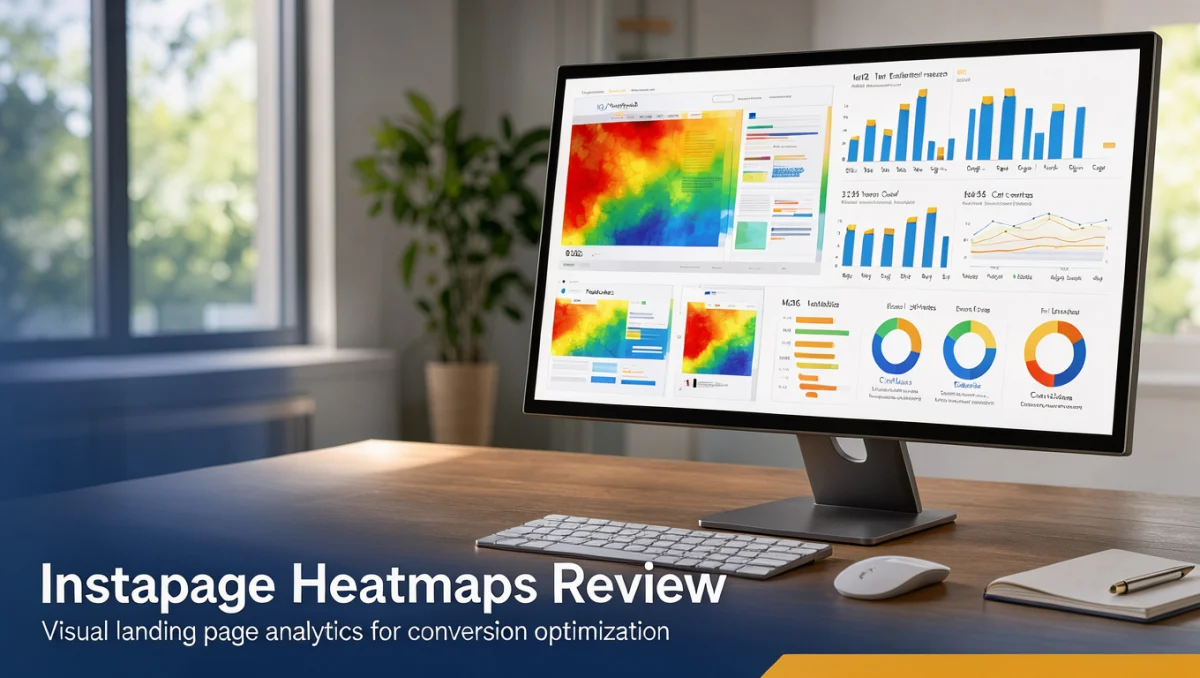
Performance marketing depends on tight alignment between ad creative and the landing page experience. In a detailed instapage heatmaps assessment, campaign operators can see how visual tracking uncovers friction across visitor sessions without complex third-party tracking scripts.
The platform serves growth teams running campaigns across search engines and social networks. Agencies and corporate marketing departments use it to match ad messaging with targeted post-click layouts, making behavioral data available without a separate analytics engineering effort.
3. Core Landing Page and Heatmap Features
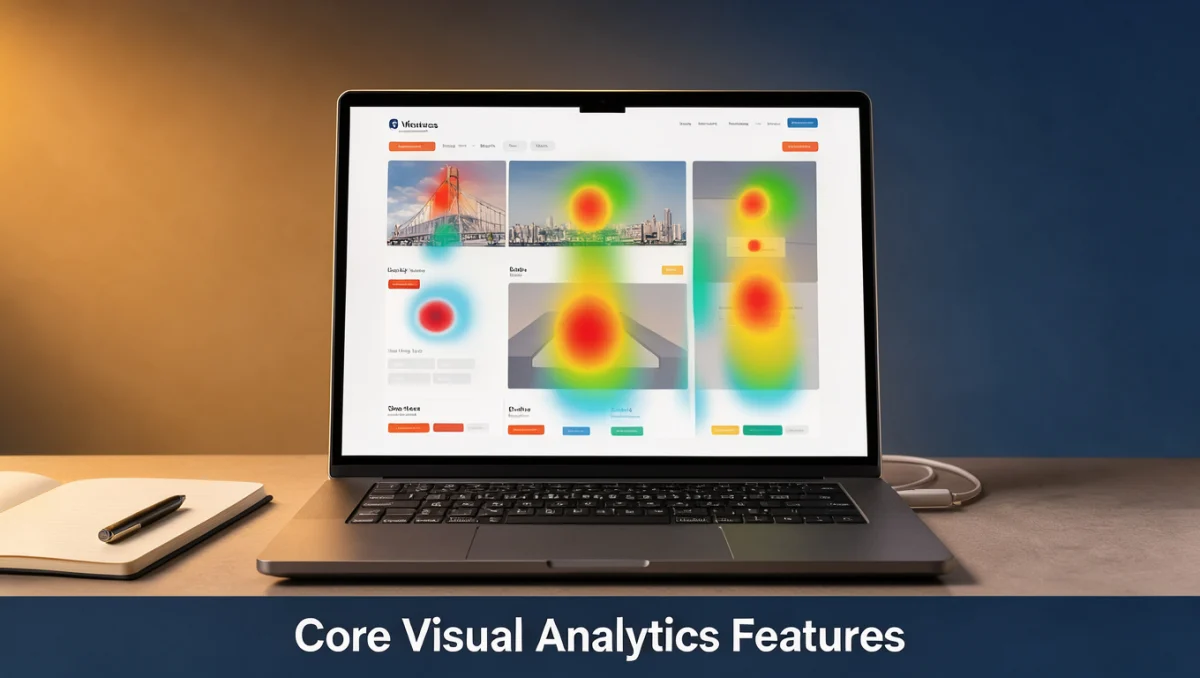
Tools in this category pair a front-end layout builder with diagnostic engagement records that show how prospects interact with promotional pages.
Click and Tap Visual Mapping
Click tracking aggregates visitor interactions across buttons, hyperlinked text, non-clickable elements and visual media. Marketers inspect these clusters to see whether visitors engage with the intended calls to action or click inactive design elements, revealing layout errors that block conversions.
Scroll Depth and Drop-Off Analysis
Scroll tracking records how far visitors move down a page before leaving or completing an action. Campaign managers check scroll percentages to confirm that core value propositions, proof badges and submission forms fall within the typical viewable area rather than sitting unread below common abandonment points.
Mouse Movement and Engagement Tracking
Cursor movement records trace where desktop visitors direct their attention during a session. Identifying concentrations of hover activity helps designers place key testimonials, guarantees and product demonstrations along natural paths of attention.
Integrated Post-Click Testing
Testing environments within landing page suites let operators clone variations and compare behavior side by side. Teams can measure whether layout changes shift engagement toward contact forms, keeping experimentation inside a single operational environment.
4. Ease of Use and Learning Curve
The builder separates layout customization from complex web coding, using drag-and-drop mechanics that speed up publishing. New team members usually get comfortable with the visual editor quickly, though interpreting diagnostic data requires a working knowledge of conversion rate optimization.
Reviewing heatmap reports involves little friction because visual overlays render directly on top of published designs. Teams can switch between desktop and mobile previews to compare interaction patterns without adjusting any technical code.
Organizations with several team members should settle workflow handoffs early. Reviewing user permission structures on the official Instapage website confirms that reviewers and external stakeholders can access reporting dashboards without editing live page templates.
5. Pros and Cons of Instapage Heatmaps
Evaluating integrated behavioral analytics means weighing operational convenience against the depth of specialized features.
Key Advantages
- Native visual tracking removes the need to configure, debug and maintain third-party tracking tags.
- Diagnostic overlays link directly to the individual landing page variations built inside the platform.
- Marketing teams can identify conversion bottlenecks and make layout edits within the same application.
- Visual reports clarify how mobile interaction differs from desktop browsing habits.
Operational Limitations
- Heatmap data focuses on individual landing pages rather than multi-step purchase funnels across an entire website.
- Dedicated behavioral analytics platforms often provide broader funnel tracking and feedback survey widgets.
- Data retention periods and visitor volume thresholds depend on subscription terms, so verify them on the official website.
6. Instapage vs Similar Tools
Understanding where Instapage sits among landing page builders and behavioral measurement software helps buyers choose tools that match their operational scope.
| Platform | Primary Focus | Core Strength | Evaluation Priority |
|---|---|---|---|
| Instapage | Post-click campaign pages and paid traffic optimization | Integrated page design with built-in visual heatmaps | Check account traffic allocations and seat limits on official pages |
| Unbounce | Conversion-oriented landing pages and smart routing | Flexible page builder with variant testing mechanics | Verify tracking script integrations for advanced visual records |
| Leadpages | Lead generation templates for small businesses | Template-driven publishing for simple lead capture | Confirm external tracking integration needs for visual behavior |
| Hotjar | Dedicated behavioral analytics and feedback collection | Deep behavioral analysis across broad website architectures | Assess the operational overhead of managing two distinct platforms |
Buyers must choose between standalone analytics that cover broad web properties and specialized landing page environments with native tracking. Reviewing our research methodology at Tested Truth helps teams decide whether an all-in-one builder outweighs maintaining separate specialized software subscriptions.
7. Who Should Use Instapage
The right optimization platform depends heavily on team structure, traffic volume and campaign goals.
Performance Marketing Teams and Agencies
Teams managing substantial digital ad spend gain efficiency by diagnosing landing page friction without relying on external developers. Visual drop-off data offers quick insight into improving return on ad spend across client accounts.
Growth-Stage Businesses
Companies scaling lead generation use visual engagement records to refine value propositions and increase trial signups. Having design tools and diagnostics in one workspace simplifies daily conversion work.
Organizations Not Suited to This Setup
E-commerce stores that need site-wide cart analysis and publishers seeking domain-level reader heatmaps will find single-page tracking restrictive. Those businesses should explore dedicated analytics suites that monitor visitor journeys across complex catalog structures.
8. How to Choose the Right Plan
Subscription costs are a significant ongoing investment, so align business requirements with contract terms carefully.
| What to check on official pages | Why it matters for your team |
|---|---|
| Traffic and visitor caps | Overage charges can change operating costs when campaigns exceed planned volumes. |
| Heatmap data retention windows | Historical reporting limits determine how long behavioral data stays available for long-term analysis. |
| User seat access levels | Agencies and larger marketing departments need distinct publishing and reporting permissions. |
| Page publishing thresholds | Active page limits determine how many distinct campaign variants can run at once. |
9. Frequently Asked Questions
How do marketing teams verify that heatmap data reflects genuine visitor trends?
Teams should gather enough visitor interactions before drawing conclusions from visual clusters. Checking aggregate sample sizes for each campaign variant confirms that click patterns reflect real user behavior rather than random browsing noise.
What should buyers check regarding tracking data retention?
Buyers should review the official vendor terms to see how long visual interaction records remain accessible. Campaigns that run across several quarters need enough stored history to compare layout performance year over year.
When should an organization choose separate analytics over integrated tracking?
Separate analytics platforms make more sense when evaluation goals involve multi-step checkout funnels, site-wide cart abandonment or cross-domain user journeys that extend beyond isolated promotional pages.
Which factors influence landing page tracking accuracy?
Dynamic content, screen resolutions and visitor device categories all affect where interaction markers land on visual overlays. Reviewing responsive device previews ensures reports reflect the real experience across different screen sizes.
10. Final Verdict
Instapage heatmaps deliver practical, actionable visual diagnostics inside a focused landing page environment, letting marketing professionals iterate quickly without code dependencies.
| Criterion | Score / 10 | Evaluation Reason |
|---|---|---|
| Features | 8.5 / 10 | Strong combination of visual click tracking, scroll drop-off data and integrated variant creation. |
| Ease of Use | 8.0 / 10 | Intuitive drag-and-drop publishing workflow with direct visual reporting overlays. |
| Pricing and Value | 7.0 / 10 | Requires verification of visitor allowances, seat costs and contract terms on official pages. |
| Integrations | 7.5 / 10 | Connects with key marketing systems, though buyers should verify specific workflow connections. |
| Audience Fit | 8.5 / 10 | Highly targeted at paid traffic teams, performance marketers and growth agencies. |
| Support | 7.0 / 10 | Support accessibility and training resources should be confirmed on the official site. |
| Competitive Position | 8.0 / 10 | Maintains a distinct profile by combining landing page creation with native behavioral heatmaps. |
Overall score: 7.8 / 10. For marketing agencies and digital advertisers looking to improve paid ad conversions, the software offers a cohesive environment that combines layout creation with visitor behavior diagnostics.
Readers with questions about landing page optimization platforms are welcome to reach out via https://testedtruth.com/contact/ or follow testedtruth on LinkedIn at https://www.linkedin.com/company/testedtruth/ for ongoing software analysis.