testedtruth may earn a commission when you buy through links on this page, at no extra cost to you. This does not affect our ratings.
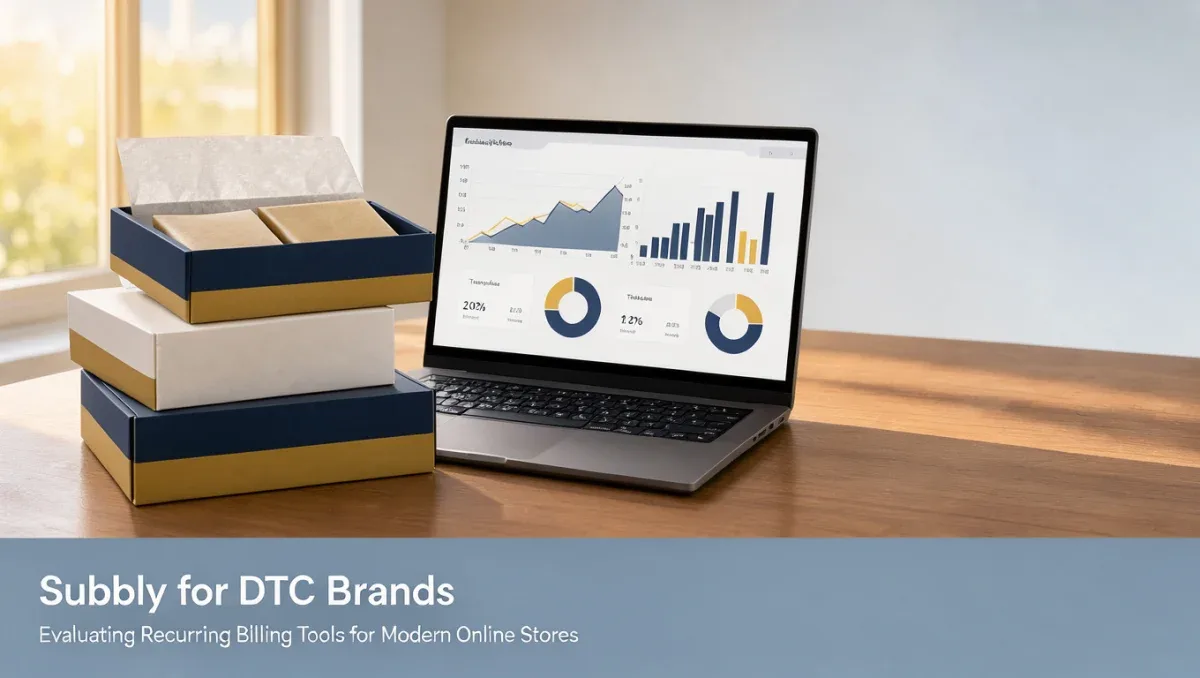
Launching a recurring product business usually means stitching together several plugins for checkout, billing and account management. Subbly for DTC brands takes a different approach by packaging subscription commerce into a single platform, which can remove a lot of early setup friction for founders who plan to earn recurring revenue from the start.
At Tested Truth, we judge software by how it performs in day-to-day operations. Subscription businesses face distinct hurdles, such as managing renewals, handling failed payments and keeping churn low, so the right platform should fit cleanly into your packing and shipping routine.
Quick verdict: Subbly receives an overall score of 8.0 out of 10. It is a strong match for direct-to-consumer brands built around subscription boxes and recurring physical orders. It is less appealing for merchants who need extensive point-of-sale hardware or a large app marketplace, unless they confirm developer requirements in advance.
| Metric | Summary |
|---|---|
| Tested Truth score | 8.0 / 10 |
| Best for | Direct-to-consumer subscription box companies and sellers of recurring physical products. |
| Not ideal for | Traditional retailers focused on multi-location store sales or custom enterprise builds. |
| Key strengths | Purpose-built recurring billing flows, a built-in subscription website builder and flexible box rotation settings. |
| What to verify before buying | Plan fees, order volume tiers and payment gateway compatibility on the official Subbly site. |
1. How Tested Truth Evaluated Subbly
This assessment examines what Subbly is designed to accomplish, the audience it targets and how it stacks up against comparable tools. We applied seven Tested Truth criteria: features, ease of use, pricing and value, integrations, audience fit, support and competitive position. Because plans, prices and limits change frequently, we highlight the details you should double-check on the official website. This article was researched and drafted with AI assistance, then reviewed and edited by the Tested Truth Editorial Team.
2. What Subbly Is and Who It Serves

Subbly is a specialized subscription commerce engine paired with a website builder, created specifically for recurring sales models. It addresses the complexity of repeat orders by giving founders what they need to sell physical or digital memberships straight to shoppers.
Its core audience includes direct-to-consumer companies, subscription box creators and niche product brands that ship on weekly, monthly or quarterly cycles. General-purpose store builders often depend on third-party tools for billing intervals, whereas Subbly handles checkout steps, customer account portals and billing cadence within the same system.
- DTC founders launching curated monthly discovery boxes.
- Artisan food, coffee or wellness brands offering replenishment subscriptions.
- Independent operators who want storefront hosting and recurring billing in one place.
3. What Subbly Helps You Accomplish
Running recurring commerce means keeping track of order timelines, forecasting inventory and collecting payments reliably. Looking at subbly for DTC brands through this lens shows how its built-in tools handle those routine demands.
3.1 Recurring Billing and Subscription Management
The platform schedules recurring charges, processes renewals and automatically retries failed payments. Brands can set custom renewal dates, shipping cut-off deadlines and trial periods for new subscribers.
3.2 Storefront Design and Checkout Flows
A visual storefront designer and embeddable checkout funnels come standard. Operators can build a full site inside the tool or drop the subscription checkout into an existing website.
3.3 Survey Funnels and Product Customization
Many subscribers want to personalize their box with sizes, flavors or other preferences. Subbly's step-by-step onboarding surveys capture these choices during checkout and attach them directly to each order profile.
3.4 Retention Tools and Customer Portal Controls
Subscribers can open an account area to pause deliveries, change shipping addresses, skip a cycle or update payment details. These self-service options help reduce avoidable cancellations.
4. Ease of Use and Learning Curve
Because Subbly is focused on subscriptions, the learning curve revolves around billing cycles, cut-off dates and fulfillment batches rather than general merchandising. Founders new to recurring billing should plan renewal schedules carefully to avoid accidental charges or missed shipping runs.
Non-technical users will find the platform manageable, since standard subscription workflows are included out of the box. Merchants who want extensive visual freedom beyond the provided templates may need light code adjustments or external embeds.
5. A Two-Week Evaluation Plan for Subbly

Before sending live traffic, validate order logic, fulfillment handoffs and customer self-service. The structured fourteen-day plan below helps you test the platform methodically.
- Days 1 to 3: Core account and catalog setup. Create test products, define billing intervals, set shipping cut-off windows and configure currency rules.
- Days 4 to 7: Funnel testing and survey routing. Build a multi-step checkout, test preference surveys, verify shipping tax calculations and review notification email triggers.
- Days 8 to 14: Customer portal and renewal simulations. Run test payments, simulate a skipped delivery, test card updates and check how exported order manifests look to your packing team.
6. Where Subbly Shines and Where It May Fall Short
Choosing a platform means weighing specialized subscription tooling against broad ecosystem flexibility. The overview below shows where Subbly matches specific operational needs and where trade-offs appear.
| Area | Shines when | May fall short when |
|---|---|---|
| Subscription workflows | You need built-in recurring checkout logic without installing several external plugins. | You run a conventional one-time purchase store where recurring billing is not a priority. |
| Customer self-service | Subscribers need clear options to skip, pause or switch delivery variants. | Your model depends on highly customized enterprise loyalty programs. |
| Setup simplicity | A solo founder wants to launch a full subscription box store from one interface. | You need a large catalog of niche third-party logistics apps available right away. |
7. Subbly Compared With Similar Tools
Understanding how each platform is positioned helps clarify which tool suits your technical strategy and team structure.
| Tool | Best for | Core focus |
|---|---|---|
| Subbly | DTC subscription box entrepreneurs and recurring product merchants. | Integrated subscription website builder and recurring billing engine. |
| Shopify | High-volume retail brands that want a large third-party app selection. | General ecommerce ecosystem with subscriptions added through apps. |
| WooCommerce | Self-hosted businesses seeking full open-source control of their store. | Open-source commerce framework running on WordPress. |
8. Who Should Use Subbly
No single commerce platform suits every stage of business. Use the table below to see whether your setup lines up with Subbly's focus.
| Business profile | Recommendation | Operational rationale |
|---|---|---|
| Subscription box startups | Strong fit | Handles product choice surveys, billing schedules and account pauses natively. |
| Replenishment DTC brands | Good fit | Supports recurring orders for consumables such as coffee, cosmetics or wellness supplies. |
| Traditional physical retailers | Not ideal | Lacks deep multi-store inventory synchronization for complex physical retail environments. |
| Digital agencies with in-house developers | Conditional | Works well when clients want turnkey management, though custom headless builds may favor specialized APIs. |
9. Pricing at a Glance
Subscription software costs depend on plan tier, transaction volume and payment processor fees. Before committing your budget, confirm the key commercial terms directly on the official Subbly pricing page.
- Transaction fees and billing tiers: Check whether transaction percentages drop at higher tiers, since volume directly affects margins.
- Included store features: Confirm which plan includes the checkout survey options, funnels and team access you need.
- Third-party payment fees: Verify the processing fees charged by your chosen gateway, which apply on top of the base platform subscription.
10. Frequently Asked Questions
Should subscription box founders choose Subbly over standard commerce platforms?
Founders building subscription-first businesses often prefer Subbly because recurring billing logic, customer self-service portals and survey funnels are part of the core software. Standard platforms usually need third-party apps to replicate these features, which adds setup steps and recurring app costs.
What should teams prepare before launching a store on Subbly?
Prepare product dimensions, shipping schedules, billing frequency rules, monthly batch cut-off dates and customer notification copy. Having clear fulfillment policies ready makes configuring surveys and renewal dates much easier.
Can a brand use Subbly while keeping an existing website?
Yes. Brands can keep their main content on an existing site and embed checkout widgets or funnel links connected to their account. Review the official documentation so your technical team understands the embed options before launching campaigns.
How does churn management work on subscription software?
Subscription platforms provide customer portals where subscribers can pause deliveries, update addresses or change product preferences. Easy self-management tools help reduce reactive cancellations caused by temporary travel or product surplus.
11. Final Verdict
Direct-to-consumer subscription businesses need dependable recurring checkout logic and simple customer management. Subbly delivers focused subscription functionality without requiring a stack of add-ons, making it a practical foundation for recurring physical products.
| Criterion | Score /10 | Reason |
|---|---|---|
| Features | 8.5 | Native recurring billing, survey funnels and subscriber portal management align well with recurring commerce needs. |
| Ease of Use | 8.0 | Setup is straightforward for subscription logic, though template customization takes some initial familiarity. |
| Pricing and Value | Confirm before buying | Review official pricing tiers and transaction fee thresholds against your projected monthly volume. |
| Integrations | Confirm before buying | Verify current payment gateway compatibility and warehouse connections on the official site. |
| Audience Fit | 8.5 | Strongly aimed at DTC subscription founders, artisan makers and replenishment businesses. |
| Support | Confirm before buying | Check official support channels and hours to make sure they fit your launch timeline. |
| Competitive Position | 7.0 | Its distinct subscription focus sets it apart, though broader platforms offer larger software ecosystems. |
| Overall score | 8.0 / 10 | A balanced rating reflecting solid native subscription tools and a clear operational focus. |
Have a question about choosing software? Send it to the Tested Truth team through our website or follow us on LinkedIn for new reviews and comparisons.
See More E-commerce