Some links on this page may lead to partner offers, and Tested Truth may earn a commission at no added cost to you. Commissions never shape our scores.
Engineering and data teams increasingly rely on managed endpoints to pull structured information from public websites rather than keeping home-grown scrapers alive. Analysts use these services to watch marketplace listings, track competitor catalogs, and keep dashboards current. Our evaluation focuses on how well a tool fits existing architecture, what it costs to operate, and how much workflow friction it adds.
Most technical leads adopt collection services to cut down on proxy configuration and broken parsers. A realistic assessment of bright data scraper apis starts with matching output formats and request volumes to the budget. Stable extraction depends on handling many different site architectures without constant manual repair.
Quick verdict: With an overall score of 7.9/10, these endpoints suit technical teams that want managed extraction pipelines. They are a poor match for non-technical users who need ready-made spreadsheets without any developer support.
| Evaluation Metric | Summary Findings |
|---|---|
| testedtruth score | 7.9/10 |
| Best for | Developer teams that need programmatic, structured data extraction |
| Not ideal for | Solo non-technical operators who want spreadsheet exports without writing code |
| Key strengths | Automated collection and structured endpoint delivery |
| What to check before buying | Confirm billing metrics and rate limits on the official website |
1. How testedtruth Reviewed Bright Data Scraper APIs
We looked at what the product is designed to do, who it is built for, and how it stacks up against comparable tools. Our review applies seven testedtruth criteria: features, ease of use, pricing and value, integrations, audience fit, support, and competitive position. Plans and limits change frequently, so we flag the details you should verify on the vendor site before purchasing. This article was researched and drafted with AI assistance, then reviewed and edited by the testedtruth Editorial Team.
2. What Bright Data Scraper APIs Are and Who They Serve
Bright Data Scraper APIs are automated endpoints that query public web targets and return organized records. Rather than operating individual network proxies, headless browsers, and rotating headers, development groups send requests for particular pages or domain queries. The service takes care of the extraction mechanics and returns parseable output straight to the calling application.
The product targets engineering units, analytics teams, and product managers who build data-driven platforms. Commerce intelligence departments track catalog pricing, social teams monitor trend frequency, and research groups gather public documentation. Because access happens through developer endpoints, adopting teams need in-house engineers who can write network requests and work with JSON payloads.
Groups with simple desktop tracking or manual copy-paste tasks will find developer endpoints excessive. Teams that build automated applications, customer-facing aggregation services, or pricing models, however, gain from handing target-site extraction to dedicated infrastructure.
3. Core Features and Capabilities
3.1. Automated Target Querying and Rendering
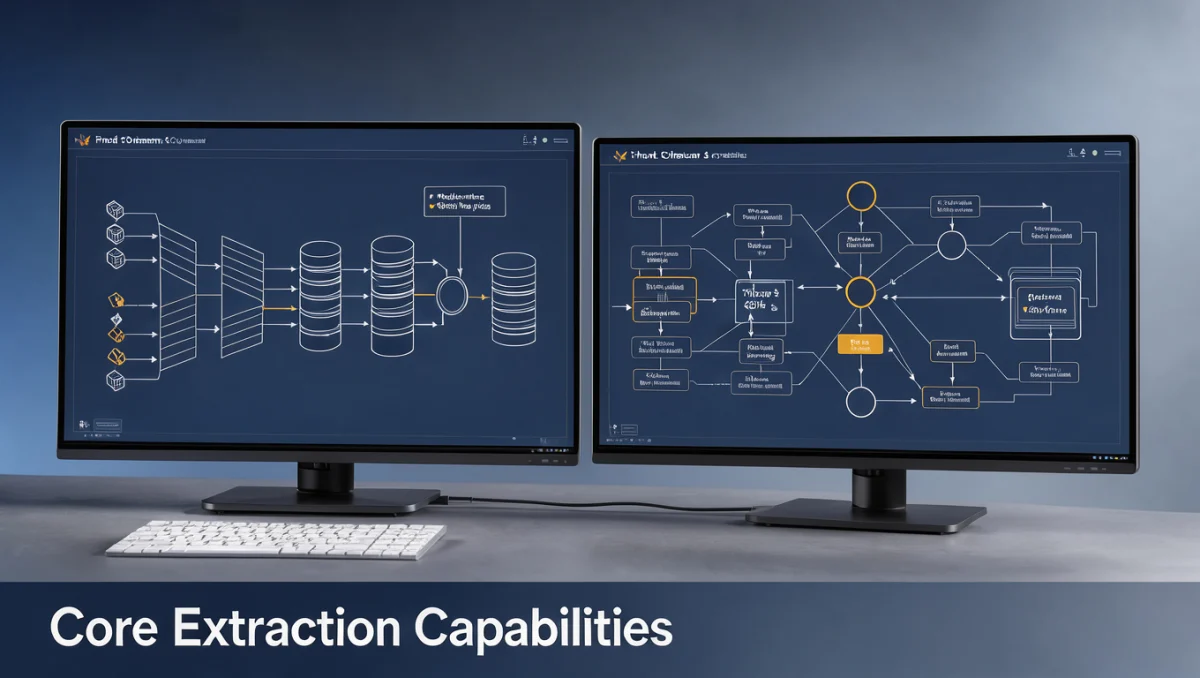
Automated query execution is the operational heart of modern collection platforms. Instead of writing bespoke navigation scripts for dynamic pages, developers submit destination URLs to an endpoint that resolves complicated page structures. The extraction layer runs scripts, waits through dynamic loading, and updates the document model before capturing the final text.
Developers set query parameters to choose target sections, localization headers, and parsing rules. The platform aims to return complete page snapshots without forcing teams to run heavy browser rendering on their own servers. Review the endpoint response formats in the official Bright Data documentation to understand the output structure.
3.2. Structured Data Parsing and Schema Delivery
Turning raw HTML into clean tables is one of the central challenges in data engineering. Scraper endpoints often bundle parsing templates that convert product pages, business directories, and public records into tidy key-value structures. This removes the need to maintain custom regular expressions that fail whenever a layout changes.
When a target site changes its layout, the vendor can update parsers centrally, which prevents downstream breakage across connected systems. Teams should confirm in the vendor portal whether pre-built templates exist for the specific domains they need.
3.3. Request Routing and Infrastructure Coordination
Sending requests from many geographic locations takes proxy rotation, header variety, and smart backoff logic. These endpoints coordinate those tasks automatically behind one unified interface, spreading request volume across network points so that target servers are less likely to rate-limit traffic.
Engineering teams plug these endpoints into continuous workflows, pipeline triggers, or real-time lookup services. Operational reliability depends on how well the framework handles network anomalies, server timeouts, and bot-challenge pages.
4. Ease of Use and Implementation Workflow
Usability for developer tools depends on SDK documentation, endpoint predictability, and console management rather than point-and-click convenience. Adding extraction endpoints to an existing stack requires familiarity with network protocols, authentication headers, and programmatic error handling.
Getting started means generating credentials in the admin console, reviewing request samples in your preferred language, and running test requests against sample targets. Engineers should review the official Bright Data developer portal for language-specific libraries and code examples. Initial setup is straightforward for experienced programmers, while non-technical staff will need engineering help from day one.
Long-term upkeep involves watching status codes, quota consumption, and response schema consistency. Teams building workflows inside Collaboration & Productivity environments must allocate engineering time to connect endpoint callbacks to internal databases.
5. Pros and Cons of Bright Data Scraper APIs
5.1. Advantages
- Offloads proxy rotation, server infrastructure, and browser rendering to a managed external service.
- Returns structured records that remove the need to build local parsers for standard public schemas.
- Handles dynamic page architectures and client-side execution on automated backend infrastructure.
- Scales programmatically across distributed collection pipelines without on-premises hardware.
5.2. Practical Limitations
- Requires solid software development skills to configure endpoints, consume responses, and store results.
- Consumption-based pricing can drive variable spend if query usage is not monitored.
- Target site schema changes can cause temporary payload anomalies until central definitions are updated.
- Response times vary with page complexity, so internal systems need asynchronous task handling.
6. Bright Data Compared with Alternative Solutions
The web extraction market includes several established providers, among them Oxylabs, ScraperAPI, and ScrapingBee. Oxylabs generally targets large enterprises that need global proxy infrastructure alongside extraction endpoints. ScraperAPI focuses on lightweight, developer-friendly proxy endpoints built for straightforward page retrieval. ScrapingBee highlights JavaScript rendering and screenshot features for small and mid-sized engineering groups.
Bright Data presents its scraper endpoints as enterprise-grade offerings backed by a large network footprint. Teams should weigh alternatives by internal development capacity, required parsing depth, and target-site complexity. Comparing these platforms means checking current pricing tiers, rate limits, and endpoint capabilities on each provider's official website.
7. Who Should Choose Bright Data Scraper APIs
7.1. Small and Growing Development Teams
Software teams building competitive intelligence tools or market aggregation products benefit from outsourcing scraping infrastructure. Instead of spending engineering cycles monitoring proxy health, they can focus on end-user features and analytical models.
7.2. Enterprise Data and Business Intelligence Units
Enterprise data teams that monitor markets continuously gain from structured extraction across international sites. These groups need dependable request routing and documented endpoints that fit established data engineering practices.
7.3. Freelance Engineers and Independent Consultants
Independent specialists delivering client data pipelines can use programmatic endpoints to finish collection work without running their own server clusters. Consultants, however, should budget consumption costs per project.
7.4. Teams That Should Consider Other Options
Marketing managers, administrative staff, and non-technical founders who need one-off spreadsheets should steer clear of raw developer APIs. These users are better served by desktop visual extractors, spreadsheet add-ons, or managed data services that require no coding.
8. How to Choose the Right Extraction Plan
Picking a plan means balancing expected query volume against the operational effort your team can absorb. Subscription tiers in this market typically differ by concurrent request limits, dedicated support, and monthly commitment minimums.
| What to Check on the Official Pricing Page | Why It Matters to Your Project |
|---|---|
| Billing unit structure | Shows whether costs accrue per successful request, per gigabyte, or through baseline commitments. |
| Concurrency thresholds | Sets how many simultaneous requests your pipeline can run during peak sync windows. |
| Failed request billing rules | Clarifies whether non-200 responses or connection timeouts are charged. |
| Pre-built schema availability | Saves engineering hours when target domains already have maintained parsers. |
| Enterprise service level agreements | Offers operational guarantees for mission-critical real-time applications. |
9. Frequently Asked Questions
9.1. What technical skills are needed to implement scraper endpoints?
Implementation requires developers who can send network requests, configure authentication keys, and parse JSON. Teams without engineering staff will struggle to use raw programming interfaces and should consider visual scraping tools instead.
9.2. What hidden costs should buyers consider beyond the monthly fee?
Buyers should account for internal storage, database ingestion costs, and the engineering time required to integrate endpoints into existing systems. Pipeline bugs that go unnoticed can also trigger unexpected request volumes, so usage alerts are essential.
9.3. How can teams verify that a target domain's parsing is maintained centrally?
Check the official documentation to see whether a given site's schema receives automated vendor maintenance. If a needed target lacks maintained parsing, engineers will have to write custom logic to extract fields from raw responses.
9.4. How should technical leads choose between scraper APIs and raw proxy pools?
Scraper APIs suit teams that want an outside provider to handle browser rendering, header rotation, and parser upkeep. Raw proxy pools suit teams with dedicated infrastructure staff who need full low-level control over routing logic.
10. Final Verdict and Rating
Bright Data Scraper APIs provide dependable programmatic extraction for development groups that want to stop maintaining their own scrapers. The platform pairs sophisticated network management with automated parsing, making it a strong option for data-focused organizations.
| Criterion | Score /10 | Reason |
|---|---|---|
| Features | 8.5/10 | Offers comprehensive endpoint rendering and automated parsing. |
| Ease of Use | 7.0/10 | Requires real software engineering skill to implement and monitor. |
| Pricing and Value | 7.5/10 | Value depends on request success rates and how efficiently the team uses it. |
| Integrations | 7.5/10 | Connects through standard web protocols across common programming languages. |
| Audience Fit | 8.5/10 | Suits engineering workflows that need automated data ingestion pipelines. |
| Support | 7.5/10 | Assistance varies by subscription commitment and account tier. |
| Competitive Position | 8.5/10 | Backed by a large network within the data extraction ecosystem. |
Overall testedtruth score: 7.9/10
Before committing to an enterprise plan, buyers should assess their internal coding capacity and confirm expected monthly query volumes on the official Bright Data pricing page. Readers who want more help evaluating software can reach out through the Tested Truth contact page or through our corporate social media channels.